Showing posts with label toxicity. Show all posts

Sunday, December 22, 2019

Toxic Overload and 13 Ways to Detox Naturally

Feeling lethargic, not up to your old self, perhaps getting sick easily or experiencing depression? Maybe a serious look into detoxing might offer some relief or refresh your system. The following article was taken from The Candida Diet blog, and obviously it was written specifically for people with candida. That said, the article extends to anyone wanting to purge the buildup of excessive chemicals and environmental toxins we are all exposed to through just daily living, food shopping and consuming, and simply moving around in our environment.
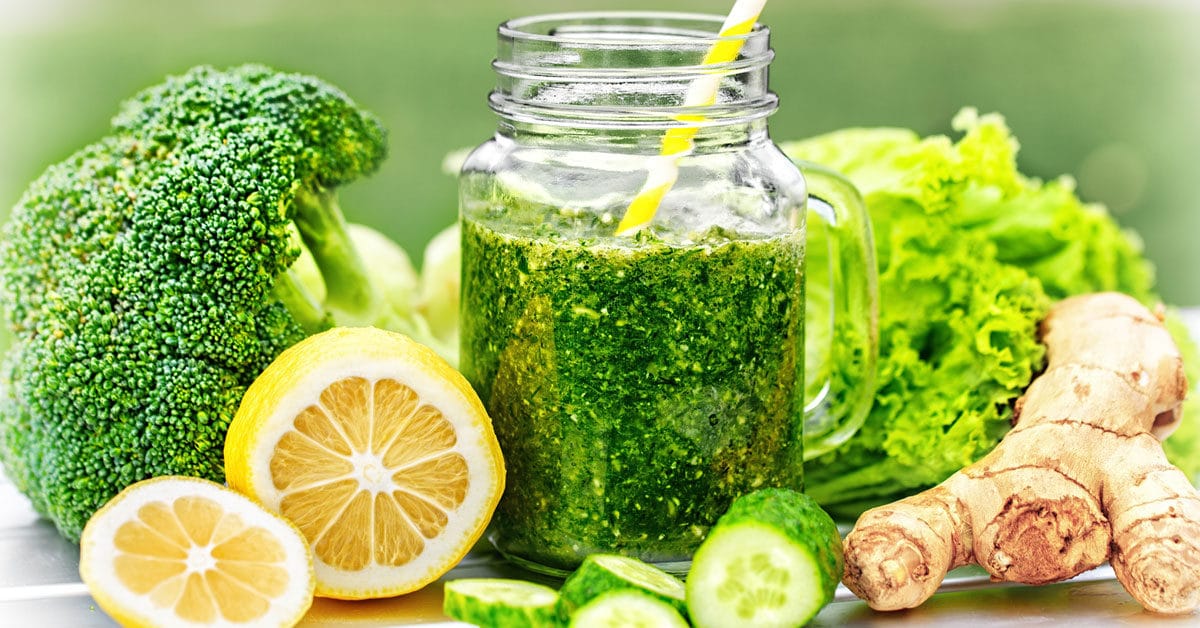
Three easy ways to detox naturally


13 Ways You Can Detox Naturally


Today’s modern lifestyle is a minefield of toxins. There are chemicals and pollutants in our air, our food, our drinking water and even the products we apply to our skin. Although there are ways to minimize the amount of toxins we encounter, the truth is that they’re almost impossible to avoid completely.


Unfortunately, these toxins can have a catastrophic effect on your body. Everyday toxins accumulate in the body over time, building up to dangerous levels. They’re absorbed by your cells, muscles, and soft tissues. Eventually, they weaken your entire immune system.

Research has shown that chemical pollutants can suppress normal immune function, increasing your susceptibility to infections and diseases. Considering 70 percent of your immune system is in your gut, this increases your susceptibility to pathogenic bacteria, fungi and yeast – such as Candida overgrowth.

The good news is that there are many ways to detoxify your body naturally, through diet, supplements, and your daily habits. Make these techniques a regular part of your daily lifestyle and you’ll be on your way to a toxin-free, healthier you!

Natural Detoxification Through Diet

Here are some simple, detoxifying changes that you can make to your diet today.

1.  Increase your water intake

Water helps flush toxins out of your body in the form of sweat, tears, and urine. Choose pure, filtered water from a safe source.

2.  Cut the sugar

Sugar not only increases calorific intake, but can cause inflammation and feed candida. Artificial sweeteners are no better – they’re also toxins!

3.  Eat organic

Many commercially-produced fruits and vegetables contain dangerous pesticides and chemicals, while meats contain antibiotics and hormones. Organic food has more nutrients and fewer pesticides.

4.  Cut processed foods

These often contain preservatives and artificial flavorings that are not only toxic, but increase your appetite.

5.  Add fermented foods and drinks to your diet

These are an excellent source of probiotics which help fight pathogens and yeast. Probiotics also strengthen the immune system, and improve digestion and detoxification.

Sauerkraut is a good source of calcium glucarate, a powerful detoxifier. Research has shown that calcium glucarate helps prevent cancer of the breast and colon.

Natural Liver Detoxification

The liver is the largest organ in the body. It’s also the organ primarily responsible for detoxification: flushing out the various toxins we encounter in our diet, lifestyle and environment. Every one of our body systems is dependent on the liver for ‘cleaning’ the blood of impurities.

The more toxins we ingest, imbibe, and encounter, the greater the burden on the liver. Signs of an overloaded liver include fatigue, headaches, digestive issues, skin problems, and weakened immune function.

A number of supplements can support liver function, including:

6.  Milk thistle

This herb is famous for its active ingredient, silymarin. Silymarin is an important antioxidant and nature’s very own liver nurse. It supports and protects the liver by optimizing liver function and detoxification as well as repairing damage done to liver cells caused by disease, alcohol and drugs.

The active ingredients in milk thistle act like your liver’s own personal gatekeeper. It binds to the outside of the liver cell and when toxins enter the body, it fends them off by blocking entry to the liver cell.

Silymarin also takes care of toxins that have already found their way into the cell, seeking them out and neutralizing them. Neutralized toxins are then either removed from the bloodstream or converted into water-soluble forms which can be sent out of the body as harmless waste (through the bowels, in your urine or in sweat).

Clinical studies have shown that these mechanisms help to maintain liver health and significantly reduce the risk of long-term liver damage.

7.  Molybdenum

Molybdenum is a mineral naturally present in many foods. It’s especially important to the liver in flushing out toxins.

Molybdenum is required for helping the body make several detoxification enzymes, including aldehyde dehydrogenase and aldehyde oxidase. These enzymes work to neutralize acetaldehyde, a harmful metabolic byproduct of alcohol, yeast and fungi.

Candida overgrowth often leads to an excess of this neurotoxin, causing it to build up in the blood, liver and other tissues. This seriously burdens the immune system.

Molybdenum also helps the body synthesize enzymes that oxidize the sulfites in preservatives, as well as neutralizing toxins involved in protein metabolism. In addition molybdenum is involved with expelling excess copper from the body and preventing dental cavities caused by minerals stored in tooth enamel.

Most importantly, molybdenum also helps rid the body of toxins that accumulate when Candida yeast cells die. The die-off process (or Herxheimer reaction) can deplete molybdenum stores very quickly, so it’s important to replace them during your detoxification.

Look for a supplement that contains molybdenum glycinate, as this is the most bio-available and best-tolerated form. A good example is Liver Support by Balance ONE.

8.  Pantethine

A derivative of vitamin B5, pantethine is vital for healthy detoxification. Pantethine also benefits Candida sufferers by supporting healthy metabolism, particularly when it comes to breaking down acetaldehyde. Acetaldehyde is a nasty chemical that affects your metabolic, endocrine, neurological and immune systems. It’s produced by the Candida yeast during your Candida infestation, and it is also released by yeast cells during die-off.

Pantethine helps to flush this poison from the body by working with other bodily functions that make co-enzyme A, a nutrient required for metabolic function. Acetyl Coenzyme A is the active form of pantothenic acid, and it is formed when coenzyme A combines with the acetate in your cells.

Regular intake of pantethine can lower overall acetaldehyde levels in the body. A study in Japan showed that the pantethine prevented a rise in blood acetaldehyde in people who had ingested alcohol. 

Natural Detoxification Habits


9.  Go Chemical-Free

Reduce the toxic load on your body by switching to organic, natural personal care and household products. Natural alternatives to chemical-laden products are now widely available and better for the environment, too!

Another great tip is to make sure that you air out your house regularly. Try to open a few doors and windows on a regular basis. That fresh air will help to eliminate the VOCs that are off-gassed by carpets, furniture and paint.

10.  Reduce stress

You can’t avoid all of them, but you can learn to manage them more effectively. Daily exercise such as jogging or yoga is a good start, as is mind-body exercises such as deep breathing. Stress can directly affect your digestive system.

11.  Exercise

Exercise activates your lymphatic system and increases the level of oxygen in your bloodstream. This helps to optimize immune function, reduce the Candida colonies in your gut and boost digestive transit time.

12.  Sauna

Sauna treatments increase body temperature, which restricts the survival of viruses and other pathogens. Saunas can also help to increase blood circulation, which oxygenates your cells and assists the removal of toxins from your bloodstream. Not only that, a sauna will open your pores and keep your skin’s elimination pathway running smoothly. Sweating helps to remove toxins and can help to relieve some of the symptoms associated with Candida.

13.  Skin Brushing

This helps to clear away toxic metabolites by stimulating the lymphatic system. Firm but gentle brush strokes across the skin will boost blood circulation, allowing for faster elimination of toxins. Use a brush with natural bristles and start from your feet. Use slow, gentle, circular movements and move up your body, brushing towards your heart.

Detox Yourself of Candida – Everyday


Detoxification is one of the most important elements of a successful anti-Candida program. With all the toxins we face in everyday life, our body’s natural detoxification pathways can sometimes fall short. That’s why it’s hugely important to give our liver, skin and blood a helping hand!

Reducing the toxic load on your body is a start, but there are real benefits in supplementing body with quality nutrients through diet and supplements. And anyway, who doesn’t love a good sauna?

For more tips on reducing your toxic load, beating Candida, and recovering your health, check out our Ultimate Candida Diet program.

Friday, August 23, 2019

The Denaturing Effect of Cooked Food

The following article is taken from Hippocrates Health Institute, home education (Dec 13, 2018): 

Cooked Food What’s In It?

Well, after years of being a pyrofoodiac, I discovered raw food. No, I’m not talking raw meat or even sushi, but rather fruits, veggies and their juices and raw nuts seeds. In their natural, unadulterated, untouched by man, UNcooked and certainly UN-burned state, these foods really can heal all that ails you. It turns out, it’s that cooked food, especially the burnt stuff, that WILL kill you! 

Yes, I know exactly what you’re thinking, “EVERYONE eats cooked food!” But not everyone knows what the cooking of food actually does to the food, and even more importantly, what that cooked food does to your body when you regularly consume it. 


So, what could possibly be so bad about cooking your food? Does something in the food change when you heat it? 


What exactly is IN cooked food? 

Whenever you cook food, whether it’s on a stove top, in an oven, on a grill, in a microwave, or in a fryer, not only does the molecular structure of the food become denatured, deranged, and/or degraded, but those molecules are changed into new chemical configurations (this is a bad thing) and carcinogenic and mutagenic byproducts are formed. The degree to which this happens is dependent on the cooking temperature, time cooked and method of cooking. 

Grilling, barbecuing, smoking and frying are the worst offenders; they are literally the fires of death, but steaming also affects the food. You know that old saying that there are more nutrients in the water of steamed veggies than are actually left in the veggies when they are done steaming? That’s because heat destroys nutrients, especially the water soluble vitamins like vitamin C and all the B vitamins. The heating of food also destroys the food’s enzymes. In fact, 100% of the food’s enzymes are destroyed at temperatures as low as 118 degrees Fahrenheit. In addition, the oxygen and water content of the food is drastically decreased, fats are carcinogenized, carbs are caramelized and proteins are coagulated and become virtually unusable by the body. Even the fiber in food loses that sweeping-like action in the colon

The heating of food also creates toxic byproducts. Here is a list of some of the dangerous byproducts you are most likely unknowingly consuming every time you eat cooked food, whether it’s a carb, a fat or a protein: 

Acrylamides: These are the cancer· causing byproducts of cooking carbohydrate foods such as breads, potatoes, pastries or any kind of starch. Even the FDA (Food and Drug Administration) acknowledges the perils of acrylamides. In fact, on their website (www.fda.com) they have a list of the amount of acrylamides found in various common cooked foods, but you better believe the processed/fast food industry doesn’t want you to know about this! 

Ally aldehyde, butyric acid, nitrobenzene and nitropyrene: The book, Diet, Nutrition and Cancer, published by the U.S. FDA’s Office of Toxicological Sciences and the Nutritional Research Council and the American Academy of Sciences lists these toxins as being formed from heating the fats and oils in food. 

Epoxides, Hydroperoxides, unsaturated aldehydes: These are generated when heating fat from meat, milk, eggs, and fish. 

Furfural / furans: These toxins are spawned when sugars are heated. 

Heterocyclic Arnines (HCA’s): Add heat to amino acids (proteins) such as meat, fish or chicken and these poisons will be served up. 

Indole, skatole, nitropyrene, ptomatropine, ptomaines, leukomaines, ammonia, hydrogen sulfide, cadaverine, muscarine, putecine, nervine, mercaptins: These toxic by-products have been found in cooked cheeses. 

Methylglyoxal and chlorogenic atractyosides: Heating the coffee bean produces these chemicals. 

Nitrosamines: As nitrogen oxides in the gas flame from gas ovens or barbecues interact with fats, these toxins are created. 

Polycyclic hydrocarbons: These carcinogens are generated from the charring of meat. 

Hydrogenated oils/Trans fats: These man-made fats, also called hydrogenated or partially hydrogenated fats, were specifically developed so a processed food could sit on a shelf for a long period of time without going rancid. Many of today’s common foods are also cooked in these trans fats. Consuming trans fats can lead to obesity, heart disease, increases in the bad (LDL) cholesterol and lowering of the good (HDL) cholesterol and it contributes to a host of other debilitating health problems. 

Keep in mind, when heating even the most common cooking oils, such as olive oil, the heat denatures the oil molecules and causes the oil to turn rancid. 


What happens to the body when we eat cooked food? 

We have became a “Pyrofoodiac Nation,” consuming excessive amounts of cooked and overcooked food at each and every meal,· including snacks, to the point of great disease and utter destruction! Here is what happens to the body every time we eat cooked food: 

Digestive leukocytosis: The term leukocytosis refers to an increase in white blood cells, indicating the body is in attack mode. This commonly occurs when you are sick; your white blood cells come out to protect you. It may surprise you to know this immune response also occurs when you consume cooked food. lt is referred to as digestive leukocytes, but it’s interesting to note, this reaction does not occur after eating raw/uncooked food. 

Accelerated aging, lowered pH and free radical formation: Also called, lipofuscin, a build-up of toxic, acidic waste material often referred to as “free radicals” accumulates in the skin (and reveals itself as age spots), liver, nervous system and brain when consuming large amounts of cooked food. Your pH becomes acidic and you are literally rusting from the inside out. 

Weakened immune system, disease production and overworked and enlarged pancreas and other organs: When you are not getting the proper nutrients, your white blood cells are always out in attack mode and toxic wastes are in full circulation, your weak and overworked body breeds common ailments such as allergies, headaches, sinusitis, diabetes, heart disease, erectile dysfunction, depression, arthritis, osteoporosis, and various cancers thrive. 

Intestinal toxemia, unfriendly flora build-up and more difficult digestion: Colonies of unfriendly bacteria take over the colon as they feed on the thick tarlike, undigested and uneliminated cooked food putrefying in the intestines. There is also a significant decrease in the quantity of healthy intestinal flora in the colon, often leading to digestion difficulties. A plant-based uncooked diet decreases the toxic load in the colon and decreases the unfriendly bacteria and other dangerous byproducts that contribute to colon cancer. 

Toxic waste accumulation and mucoid plaque build-up in the blood and colon: A congested bowel full of putrefied cooked food can lead to backup and reabsorption of toxins back into the bloodstream. This accumulation of wastes in the blood vessels can contribute to many of today’s common circulatory problems such as heart disease, high cholesterol, high blood pressure and even erectile dysfunction, and may also contribute to many other common health challenges such as gout, arthritis and various cancers. In addition, common ailments such as runny noses, headaches, asthma and even diarrhea can be signs of a “healing crisis” where the body is overwhelmed and is trying to rid itself of unwanted mucus and toxins. 

Malnutrition & deficiency of important nutrients: Many of those who regularly eat cooked food find themselves always hungry and always eating but totally malnourished, for the nutrient make-up of cooked food is diminished significantly, so the body is always craving more and more. 

Depletion of the food’s life force: As shown in kirlian photography, cooking literally kills food; its bioelectrical energy is destroyed. After cooking, the food is considered “dead.” 

Increased risk of diseases of all types: The cooking of food, especially at high temperatures, literally burns away the anti-disease and anti-cancer properties of food. A diet lacking in raw veggies has been implicated in everything from breast and colon cancer to heart disease, diabetes and even arthritis. 

Baby Steps 

Even if you are not ready to become a 100% raw foodie, you can still do your body good by making some positive food changes and eating less cooked food. Begin slowly by increasing your raw food intake; choose fresh salads over fried onions rings when eating out and avoid all the obviously unhealthy cooking methods with your entree, such as deep frying, barbecuing and charring. Replace your acidic morning cup-o-joe or pasteurized orange juice with a fresh, unpasteurized alkaline green veggie juice and even pick one day a week to eat only raw/uncooked food. Over time, you will start to feel the difference, your skin will glow and your body will thank you with great health. 

©www.doctorginger.com 2007 Dr. Ginger Southall is a consumer health advocate, 
investigative journalist, and a health instructor. She can be reached at ginger@doctorginger.com 


Saturday, May 18, 2019

Sensitive Stomach

What’s a sensitive stomach?

The term “sensitive stomach” is a non-medical way to describe a stomach that’s easily upset. People with a sensitive stomach may experience recurring gas, bloating, nausea, vomiting, constipation, or diarrhea.

Someone who has a sensitive stomach might connect their sensitivity to certain foods or situations. Others might experience discomfort or digestive disruptions without being sure of the cause.

At some point, everyone experiences stomach upset. But if you regularly deal with discomfort, indigestion, or changing bowel habits, you may have a sensitive stomach.


What causes a sensitive stomach?

Some people with chronic stomach discomfort are more sensitive to certain foods — like dairy, spicy foods, alcohol, or fried foods. Others may find that they have food intolerances which, unlike food allergies, are not life-threatening sensitivities.

Unlike those with food allergies, people with food intolerances may be able to tolerate small amounts of the foods in question. People with a dairy sensitivity can take enzymes that help them digest lactose.


Irritable bowel syndrome

Sometimes, people who experience frequent stomach issues have something more going on than just sensitivity. Irritable bowel syndrome (IBS) is one common culprit behind ongoing stomach trouble.

While its signature symptoms are similar to those of a sensitive stomach, chronic bowel pain is usually involved with IBS. This is due to inflammation in the intestines that tends to be made worse by certain foods.

IBS prevents your stomach and intestines from functioning optimally. Some people with IBS have chronic constipation, while others experience ongoing diarrhea. IBS affects the mobility of the contents of your intestines. This causes:
  • changes in bowel habits
  • trapped gas
  • abdominal pain
Women tend to be diagnosed with IBS more often than men. Women who have had surgeries like C-sections or hysterectomies may be more prone to IBS than others.


Inflammatory bowel disease

If your symptoms are severe, your doctor may perform tests to diagnose you with an inflammatory bowel disease (IBD) like ulcerative colitis or Crohn’s disease, severe conditions that require prescription anti-inflammatory and immunosuppressive drugs.

These therapies may also be supplemented with medications to regulate bowel movements, stop diarrhea, prevent infection, and manage pain. Iron supplements might also be prescribed if you have chronic intestinal bleeding.


Further reading: "If Digestion Takes So Long, Why Does Diarrhea Travel So Quickly Through The Body?"


What are the symptoms of a sensitive stomach?

Most symptoms of a sensitive stomach can easily be treated at home. These include:
  • intestinal gas
  • bloating
  • indigestion
  • heartburn
  • acid reflux
  • nausea
  • vomiting
  • occasional abdominal pain
  • constipation
  • diarrhea
But if you have the following severe symptoms, contact your doctor immediately:
  • chronic or severe abdominal pain that makes it difficult for you to do your normal activities
  • blood or pus in your stool
  • severe, ongoing diarrhea that lasts for more than two days
  • nighttime diarrhea that keeps you from sleeping
  • unexplained fever
  • allergic reaction (hives, swelling, itching, etc.)
These symptoms may signal a serious condition. Your doctor will perform testing to determine the cause of your symptoms and diagnose the issue.


How to treat a sensitive stomach

Because there are many things that can upset a sensitive stomach, it can take time to pinpoint and solve the problem. Here are some remedies you can try at home to alleviate your discomfort.

Eat smaller portions
  • Filling your stomach too much can make you gassy and give you indigestion. Try reducing the amount of food you put on your plate at each meal.
  • Eating five or six small meals per day may also be more comfortable for your stomach than eating three large meals.
Eat more slowly
  • Eating too quickly can also give you unpleasant trapped gas and indigestion. Make sure your food is well-chewed before you swallow, since digestion starts long before the food reaches your stomach.
Eliminate potentially irritating foods
Foods that can irritate a sensitive stomach include:
  • dairy
  • spicy foods
  • processed foods
  • oily or fried foods
  • alcohol
  • gluten
It might take a little trial and error, but identifying and eliminating foods you’re sensitive to will go a long way. If you already suspect what foods might be triggers for your sensitivity, it can be helpful to find substitute foods or foods that are similar in texture or taste. 
And if your stomach is especially sensitive, you might decide to eliminate all possible triggers to begin with to relieve your symptoms. If you choose to reintroduce these triggers one at a time later, you’ll be able to identify the problematic food.
Drink more water
If you don’t drink enough water every day, you might be chronically dehydrated without realizing it. Inadequate water intake can cause problems with digestion and elimination. 
If you don’t have enough water in your body, your colon can’t pull enough water in for proper bowel movements. In other words, if you don’t drink enough, you could end up constipated.
Lower your caffeine intake
Caffeine can be a stomach irritant. If you consume high amounts every day, lowering your caffeine intake could soothe your stomach. 
You might also consider changing the time of day when you drink caffeine to see if that helps. If caffeine is the main culprit, you may want to gradually eliminate it from your diet.
Reduce your stress
Chronic stress can lead to an upset stomach. If you aren’t able to pinpoint irritating foods, it might be that stress is triggering your discomfort. Consider adding a stress-relieving practice to your routine, like meditation or yoga.

Tips and Treatments 

Foods that tend to be soothing to people with sensitive stomachs include:
  • cooked fruits and vegetables
  • lean protein
  • easily digestible grains
  • fat-free or low-fat dairy
Your doctor may also recommend a short-term, low-fiber diet to ease your discomfort.
If you’re diagnosed with one or more food intolerances, your doctor will recommend you eliminate the food or foods in question. If you are diagnosed with an autoimmune condition like celiac disease, you’ll have to go on a gluten-free diet to manage your symptoms. 
If your doctor diagnoses you with a food allergy, you may be prescribed an epinephrine auto-injector. You’ll need to strictly avoid your allergens, as even a small exposure could cause you to have a life-threatening anaphylactic reaction
Even if you’ve only had small allergic reactions in the past, the next one could be severe or deadly.

What’s the outlook for a sensitive stomach?

Most people with sensitive stomachs can successfully manage their symptoms at home through dietary and lifestyle adjustments.

Sometimes, though, stomach discomfort can indicate a more serious condition like IBS, IBD, celiac disease, Crohn’s disease, or ulcerative colitis.

If you are concerned about any of the symptoms you’re experiencing, contact your doctor.


Sunday, December 16, 2018

Gluten-Related Neurological Symptoms and Conditions

There's no question that gluten can affect your neurological system: people with both celiac disease and non-celiac gluten sensitivity report symptoms that range from headaches and brain fog to peripheral neuropathy (tingling in your extremities).
Neurological illnesses such as epilepsy, depression, and anxiety also are common in those who react to gluten. In addition, a serious autoimmune condition called gluten ataxia affects a small number of people.
Finally, there are some hints that conditions such as schizophrenia and bipolar disorder also may be affected by gluten intake in a few individuals. However, it's not yet clear from the research who might be affected, and whether a gluten-free diet can help some people.
Here's a rundown of the neurological conditions impacted by gluten.


Depression, Anxiety Lead the List
Research shows that people with celiac disease suffer from much higher-than-average rates of depression and anxiety. In fact, one study found that about one-third or more of celiacs suffer from depression, and 17% may have an anxiety disorder.
People who test negative for celiac disease but who have been diagnosed with gluten sensitivity also report higher levels of depression and anxiety, although the links between the conditions are less clear because they haven't been studied.
It's not clear why gluten ingestion leads to these two neurological conditions.
Researchers have speculated that gluten-related intestinal damage might lead to nutritional deficiencies that cause depression and anxiety in people with celiac disease (deficits in certain B vitamins can cause some symptoms). However, that wouldn't explain why people with non-celiac gluten sensitivity (who don't get intestinal damage from gluten) also suffer from those two mental conditions.
Some gluten sensitivity experts — notably, New Zealand pediatrician Dr. Rodney Ford — have hypothesized that gluten affects your brain directly to cause these conditions, but this theory hasn't been proven. Regardless, you're far from alone if you experience depression and anxiety from gluten.

Insomnia, Brain Fog, ADHD Are Also Commonplace

Many people with celiac disease and gluten sensitivity can tell quickly when they've accidentally been glutened: their brains cloud up and they feel less effective, even stupid and clumsy. This phenomenon, known as brain fog, hasn't been studied, but it's another extremely common symptom for both celiac and gluten sensitivity.
Attention deficit-hyperactivity disorder is another frequent complaint, in both adults and children — those of us who have kids with gluten problems can attest that school performance is much better when their diets are free of gluten!
Headaches? Yes, absolutely. In fact, migraines are commonly mentioned as both celiac disease symptoms and gluten sensitivity symptoms — up to one-third report experiencing this sometimes debilitating headache pain.
Finally, getting a good night's sleep may depend on whether you can steer clear of gluten-containing foods — insomnia and sleep problems seem to crop up in regularity in many of us.
You can learn more on brain fog, ADHD, migraine and sleep problems:

Peripheral Neuropathy Also Common; Epilepsy, Vertigo Reported

Gluten also may affect whether your nerves and balance system function properly.
People who have celiac disease or gluten sensitivity suffer from high levels of peripheral neuropathy, which causes a tingling or "pins-and-needles" sensation in your feet and fingers. The sensation stems from damage to the nerves in your extremities, and the condition may improve once you go gluten-free.
Epilepsy, meanwhile, results when your neurons fire incorrectly, leading to seizures and potentially even unconsciousness. Celiac disease also has been associated with a rare constellation of epilepsy and bilateral occipital calcifications.
Finally, vertigo — or a sensation of dizziness and spinning — occurs due to a malfunction in the balance system housed in your inner ear. There are only two studies potentially linking Meniere's disease (a form of vertigo) with celiac disease, but anecdotal complaints of vertigo are frequent among celiacs.

Serious Psychiatric Illnesses Such as Schizophrenia and Bipolar

There have been many reports suggesting gluten could be implicated in two very serious psychiatric conditions: bipolar disorder and schizophrenia.
In bipolar disorder, there are a few studies that indicate people with celiac or gluten sensitivity may suffer from higher rates of the mental condition. There's also an intriguing study that looked at levels of antibodies to gluten in the bloodstream of people with bipolar and found high levels in those in the midst of a manic episode.
In schizophrenia, meanwhile, there have been decades of speculation that eliminating bread from the diet of schizophrenics (which of course would eliminate gluten) can help. However, there's little solid evidence for this and no indication of which schizophrenia patients might benefit. Most psychiatrists believe the percentage of people who might see an improvement in their schizophrenia symptoms while eating gluten-free is very small.

Gluten Ataxia Is Autoimmune Brain Damage

When gluten consumption causes your body to attack its own tissues, you suffer from a gluten-induced autoimmune condition. There are three of these: celiac disease (damage to the small intestine), dermatitis herpetiformis (damage to the skin), and gluten ataxia (damage to the brain).
When you have gluten ataxia, your immune system attacks your cerebellum, the part of your brain responsible for coordination. In many cases, the damage is irreversible, although a strict gluten-free diet can halt the progression of the condition.
Gluten ataxia is a relatively newly-recognized condition, and not all physicians agree it exists. In addition, the number of people who have it is thought to be very small. However, many more people with celiac or gluten sensitivity suffer from symptoms similar to those seen in gluten ataxia.

The Gluten-Free Diet May Help Your Neurological Symptoms

There's no question that celiac disease and gluten sensitivity can lead to a wide array of neurological problems and conditions. However, in most cases, you can reduce or even resolve your gluten-related neurological symptoms by following a strict gluten-free diet.
______________________________________________________________
This article from Gluten-Related Neurological Symptoms and Conditions
By Jane Anderson | Reviewed by Emmy Ludwig, MD
Updated September 01, 2017
and published via VeryWell

Wednesday, September 12, 2018

Gluten Ataxia: A Rare Autoimmune Condition Affecting the Brain

Gluten ataxia, a rare neurological autoimmune condition involving your body's reaction to the gluten protein found in wheat, barley, and rye, can irreversibly damage the part of your brain called the cerebellum, according to practitioners who first identified the condition about a decade ago.

This damage potentially can cause problems with your gait and with your gross motor skills, resulting in loss of coordination and possibly leading to significant, progressive disability in some cases.

However, because gluten ataxia is so relatively new, and not all physicians agree that it exists, there's as of yet no accepted way to test for it or to diagnose it.

But that may be changing: a group of top researchers in the field of celiac disease and non-celiac gluten sensitivity has issued a consensus statement on how practitioners can diagnose all gluten-related conditions, including gluten ataxia.


In Gluten Ataxia, Antibodies Attack the Cerebellum

When you have gluten ataxia, the antibodies your body produces in response to gluten ingestion mistakenly attack your cerebellum, the part of your brain responsible for balance, motor control, and muscle tone. The condition is autoimmune in nature, which means it involves a mistaken attack by your own disease-fighting white blood cells, spurred on by gluten ingestion, as opposed to a direct attack on the brain by the gluten protein itself.

Left unchecked, this autoimmune attack usually progresses slowly, but the resulting problems in balance and motor control eventually are irreversible due to brain damage.

Up to 60% of patients with gluten ataxia have evidence of cerebellar atrophy—literally, shrinkage of that part of their brains—when examined with magnetic resonance imaging (MRI) technology. In some people, an MRI also will reveal bright white spots on the brain that indicate damage.

How Many People Suffer From Gluten Ataxia?

Because gluten ataxia is such a newly-defined condition and not all physicians accept it as of yet, it's not clear how many people might suffer from it.

Dr. Marios Hadjivassiliou, a consultant neurologist at Sheffield Teaching Hospitals in the United Kingdom and the neurologist who first described gluten ataxia, says as many as 41% of all people with ataxia with no known cause might, in fact, have gluten ataxia. Other estimates have placed those figures lower — somewhere in the range of 11.5% to 36%.

Since ataxia itself is a rare condition—affecting only 8.4 people out of every 100,000 in the U.S.—that means fewer still actually have gluten ataxia. Estimates are much higher for the number of people with celiac disease and gluten sensitivity who have neurological symptoms.

Gluten Ataxia: Gluten-Induced Neurological Problems

Gluten ataxia symptoms are indistinguishable from symptoms of other forms of ataxia. If you have gluten ataxia, your symptoms may start out as mild balance problems—you might be unsteady on your feet, or have trouble moving your legs.

As symptoms progress, some people say they walk or even talk as if they're drunk. As the autoimmune damage to your cerebellum progresses, your eyes likely will become involved, potentially moving back and forth rapidly and involuntarily.

In addition, your fine motor skills may suffer, making it more difficult for you to work writing instruments, zip zippers, or to manipulate buttons on your clothing.

Diagnosis Not Straightforward for Gluten Ataxia

Since not all physicians accept gluten ataxia as a valid diagnosis, not all doctors will test you for the condition if you show symptoms. In addition, experts in the field of gluten-induced disease only recently have developed a consensus on how to test for gluten ataxia.

Gluten ataxia diagnosis involves the use of specific celiac disease blood tests, although not the tests that are considered the most accurate to test for celiac disease. If any of those tests shows a positive result, then the physician should prescribe a strict gluten-free diet.

If ataxia symptoms stabilize or improve the diet, then it's considered a strong indication that the ataxia was gluten-induced, according to the consensus statement.

Gluten Ataxia Treatment Involves Strict Gluten-Free Diet

If you're diagnosed with gluten ataxia, you need to follow a very strict gluten-free diet with absolutely no cheating, according to Dr. Hadjivassiliou.

There's a reason for this: the neurological symptoms spurred by gluten ingestion seem to take longer to improve than the gastrointestinal symptoms, and seem to be more sensitive to ​lower amounts of trace gluten in your diet, Dr. Hadjivassiliou says. Therefore, it's possible that you might be doing more damage to yourself if you continue to ingest small amounts of gluten.

Of course, not all physicians agree with this assessment, or even necessarily with the advice to eat gluten-free if you have otherwise unexplained ataxia and high levels of gluten antibodies. However, it does seem to be backed up by anecdotal reports from people with diagnosed gluten ataxia and from people with severe neurological problems associated with celiac disease: Those people say the neurological symptoms take much longer to resolve; while some stabilize but never improve.


A Word from Verywell

The number of potential gluten ataxia sufferers is very small when compared with the numbers of people with celiac disease, and it's also small when compared with estimates for how many people have gluten sensitivity.

However, many people with celiac disease and gluten sensitivity also suffer from neurological symptoms, which often include gluten-related peripheral neuropathy and migraine. Some also complain of balance problems that do seem to resolve once they go gluten-free.

It's possible that, as more studies are conducted on gluten ataxia, researchers will find even stronger links between that condition, celiac disease, and gluten sensitivity. In the meantime, if you have symptoms similar to those of gluten ataxia, talk to your doctor. You may require testing to determine if you have another condition that can cause similar symptoms.

__________________________________________________________________________

Sources:

Fasano A. et al. Spectrum of gluten-related disorders: consensus on new nomenclature and classification. BMC Medicine. BMC Medicine 2012, 10:13 doi:10.1186/1741-7015-10-13. Published: 7 February 2012

Hadjivassiliou M. et al. Dietary Treatment of Gluten Ataxia. Journal of Neurology, Neurosurgery and Psychiatry. 2003;74:1221-1224.

Hadjivassiliou M. et al. Gluten ataxia in perspective: epidemiology, genetic susceptibility and clinical characteristics. Brain. 2003 Mar;126(Pt 3):685-91.

Hadjivassiliou M. et al. Gluten Ataxia. The Cerebellum. 2008;7(3):494-8.

Rashtak S. et al. Serology of celiac disease in gluten-sensitive ataxia or neuropathy: role of deamidated gliadin antibody. Journal of Neuroimmunology. 2011 Jan;230(1-2):130-4. Epub 2010 Nov 6.

Monday, April 16, 2018

Raw Salads and Simple Tasty Dressings


Parsley, diced cucumbers and diced tomatoes in equal amounts = salsa
Dressing: 2 lemons, 1+ T lemon zest, slightly less extra-virgin olive oil to lemon ratio, 2-4 minced garlic cloves, salt and pepper to taste


Was tired of my lemon-olive oil dressing which I pretty much ate all the time when I first got candida. One day in desperation I made this, but I can't remember quite how I did it. Almond butter for the nuttiness, coconut oil to add a bit of sweet flavor and to smooth out the almond butter, and from there I'm not certain. Oddly I probably blended a cucumber to give the dressing some liquid flow and certainly salt. Anyway, the almond butter nuttiness really complemented the cabbage slaw.


More of my all-time favorite lemon-olive oil dressing. Sometimes I varied it up a bit by adding fresh herbs: sometimes parsley, sometimes basic (YUM!), sometimes cilantro (YUM!), sometimes fresh dill (FAVORITE!)


Excellent for just dipping!


Sometimes I soaked pumpkin seeds to soften them for easier digestion, and then without throwing out the water (the seeds were barely covered so there wasn't lots of excess) added lemon juice, salt and pepper and tossed with simple salad greens. Nice toss salad. Garlic could be added for extra flavor as could lemon zest. A very basic recipe and easy to alter.

________________________________________________________

The early days of candida were horrible! And there weren't many things I could successfully eat without feeling like the south end of a donkey going north. Salad and these simple salad dressings comprised most of my early candida diet .... and I attribute the heavy chlorophyll of the greens and the natural anti-fungal properties of garlic and the supportive coconut oil for calories and which actually helps heal the GI track as being my biggest anti-candida treating aids.

8+ years later I still have some issues but I get along quite happily. I can now go to restaurants and choose carefully off of the menu, and I can eat a bit of sugar. I do, however, have food reactions I didn't have years ago -- not allergies since my blood tests are fine, but reactions that stem from some kind of imbalance in the flora of my gut. I'm just saying this as other people I know who have had systemic candida as badly as I did still also have residual issues, and some of my friends have relapsed, mostly because of returning to a more normal diet too soon and one because of stress. I've also talked with people who have "fully" recovered, but one thing that all of my friends and contacts with candida have in common is that they continue to pay attention to the needs of their bodies, AND despite being "well", almost none of them have returned (by choice) to their pre-candida day diets.

Wednesday, March 14, 2018

The Science behind Candida #1

Many of the anti-candida programs today were developed in the 1950s. Nystatin, caprylic acid, lauric acid, undecenoic acid (Candida Force) aren't always the effective ways to treat candida.

Dr. Jeff McCombs reviews the pros and cons of common anti-fungals used to treat Candida albicans: Nystatin, Caprylic Acid, Lauric Acid and Undecenoic Acid -- how they work and how they affect the body, some rather negatively! 


I wish I had discovered this info when I was so sick with candida several years ago. 


After watching this, the next YouTube clip started streaming and it was very insightful in regard to what the candida yeast overgrowth does to the body, antibiotics, and the flora of the body. Incredibly insightful on probiotics, sugar, and dietary triggers that people just don't realize.

Thursday, November 2, 2017

515 Chemicals Women Daily Put on Their Bodies


This infographic (published by Mind Body Green) on chemicals in beauty products takes 'Cosmetics Dirty Dozen' to a whole new level.


When I first got sick so many years ago, from my reading I became aware that not only foods that I put in my body were starkly affecting my health but the air I breathed was also a factor and what was absorbed through my skin was another huge factor. The skin is the largest "organ" of the human body. It keeps our blood and plasma within us; it acts as a barrier to eliminate contamination from our surroundings, but when we intentionally put chemicals on our skin (for the sake of beauty or health) we are (unwittingly perhaps) contaminating the barrier, which is permeable, and exposing ourselves directly to toxins that would only indirectly hurt us if they weren't in such direct contact.

Toothpaste, shampoo, soap, deodorant, perfume, things we never consider to be bad for our health need to be reconsidered.