Showing posts with label SLE. Show all posts

Saturday, December 1, 2012

Minerals List & Their Food Sources

Natural Health Treatment (NHT) highly recommends an "all round mineral" supplement, Vemma’s New Vision brand Ionic Minerals. The brand has (1) trace minerals (2) in their ionic form (3) which taste good but (4) have a sugar-free option for diabetics, and (5) are free from heavy metals.

I'm not advocating this but think it worth posting on as minerals are frequently lacking in our present-day food that is grown in mineral-depleted soil. But following is a listing of minerals that the body needs every day and followed by foods which are rich in the respective minerals. Eating right for one's health is SO MUCH BETTER than popping a pill for two main reasons - (1) the vitamins and minerals in food function synergetically with one another, something that can't happen effectively in chemically formed supplements, and (2) chemically formed supplements, although they are "natural", are still held together by talc and binders that are yes, chemically processed and therefore are in some small or great way toxic to the body. My suggestion, eat your way to good health.

____________________________________________________________________________

Common mineral deficiencies and foods for replenishing them:

Word of caution: Eating raw foods to replenish nutrients is the best bet as overdosing and throwing off the body's balance is easy with mineral supplements, but not with food.

Source - click to enlarge

Boron (B): apples, carrots, grapes, other raw fruits (except citrus), nuts, legumes, vegetables in general. Most often used for: arthritis

Calcium (Ca): blackstrap molasses, salmon, green leafy vegetables, almonds, sesame seeds, cheese, yogurt and other dairy products, broccoli, nettles, burdock root, parsley, raspberry leaves, yarrow, marshmallow root and yellow dock. Most often used for: osteoporosis, muscle cramps, heart palpitations, arthritis, brittle nails, pregnancy support, eczema, and high blood pressure. Note: Many types of calcium supplements are on the market, but choosing the correct one is essential as excess can cause high blood pressure, arteriosclerosis, arthritis, and kidney stones.

Chromium (Cr): New Vision Ionic Minerals, blackstrap molasses, beef and other meats/poultry/fish, brown rice, fresh fruits and vegetables, eggs, dulse (seaweed), and  mushrooms. Most often used for: anxiety and nervousness and other serious mental challenges, ADD, depression, type II diabetes, hypoglycemia, heart diseases associated with coronary artery problems and infertility

Copper (Cu): blackstrap molasses, parsley, New Vision Ionic Minerals, Standard Process Labs brand Chezyn, almonds, broccoli, carrots, mushrooms, oats and other whole grains and legumes, nuts, seafood, sunflower oil and whole wheat. Most often used for: anemia, baldness, joint problems, improper cholesterol ratios, aneurysms, and retinal degeneration

Germanium (Ge): New Vision Ionic Minerals, mushrooms, seeds, vegetables (especially garlic and onions) and bran. Most often used for: cancer, asthma, arthritis, high blood pressure and osteoporosis

Iron (Fe): blackstrap molasses (maximum 2 teaspoons/day), parsley, leafy green vegetables, sea vegetables such as dulse, kelp and nori wrappers, prunes, black cherries, meat and seafood, nuts, whole grains and legumes, burdock, yellow dock, nettles and raspberry leaves. Most often used for: iron deficient anemia, decreased stamina and energy, weak immune system, digestive disorders (Crohn’s, Celiac, difficulty swallowing) and irritable nerves. Note: Two signs you may need natural iron supplements are ice chewing and a tan chin and cheek area when the rest of the face is a lighter complexion. Parasites can cause anemia.

Iodine (I): sea vegetables (kelp, dulse, nori wrappers), sesame seeds, raw spinach, zucchini, asparagus, Celtic sea salt, soy and soy products, garlic. Most often used for: thyroid problems, fatigue, and weight issues. Note: Some foods block the update of iodine into the thyroid gland when eaten raw and in large amounts. Iodine blocking foods include: Brussels sprouts, cabbage, cauliflower, kale, peaches, pears, cooked spinach and turnips. For an underactive thyroid, limit the intake of these substances to 4 cups/week.

Magnesium (Mg): blackstrap molasses (max of 2 teaspoons/day), dark green vegetables, potatoes (especially the skin), beans and other legumes, whole grains, almonds and other nuts, meat and fish, soy products, apricots, bananas, coconut (the organic unsulfited kind), dates, figs and avocados. Most often used for: constipation, hyperexcitability, nervousness, asthma, chronic fatigue, glaucoma and retinal problems, high blood pressure, heart problems (congestive heart failure), valve problems, arrhythmias), insomnia, muscle cramping and multiple sclerosis. Note: Potatoes grown on magnesium deficient soils (like Washington) are susceptible to the Potato Scab Virus, the virus thought to be linked with the same virus that causes Multiple Sclerosis in humans. Avoid scabby skinned potatoes.

Manganese (Mn): definitely parsley (1-2 tablespoons/day chopped and raw), green leafy vegetables, oats, pineapple, nuts, spinach, peppermint, apples, apricots, blueberries, celery, egg yolk, and whole grains. Most often used for: tendon and ligament problems (very common problems), tinnitus, skin rashes, high cholesterol, high blood pressure, memory problems, diabetes, and breast problems

Molybdenum (Mo): beans and other legumes, dark green leafy vegetables, eggs, whole grains and wheat germ. Most often used for: asthma and gout

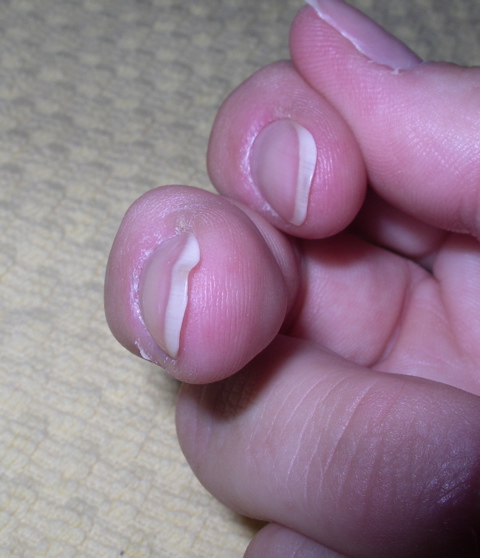
Oxygen (O): A diet with a minimum of 1 1/2 cups of raw fruits and 1 1/2 cups of raw vegetables daily will keep the body producing healthy red blood cells stocked with hemoglobin. Exercise or deep breathing exercises are essential to keep oxygenated. Self-test: Look at the little white moons at the base of your fingernails, all fingers except the little fingers should have moons. Without them, the body may not be getting enough oxygen to all the different organs. Oxygen fights off cancer because cancer can’t grow in oxygenated tissues.

Phosphorus (P): eggs, beans and other legumes, almonds, pumpkin seeds (great for prostate and normal hormone function in both males and females), sesame seeds (great for seasonal affective disorder and other forms of depression), bran and whole grains. Most often used for: bone pain, nosebleeds, and trembling.
Note: People who often drink soda pop (more than 4 per week), can easily imbalance the system resulting in too much phosphorus and not enough calcium and magnesium, a common cause of kidney stones and osteoporosis/osteopenia.

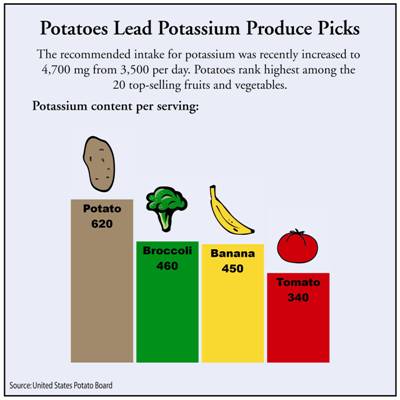
Potassium (K): Fresh fruits and vegetables of all kinds, blackstrap molasses, fish, dates, bananas, beans, sweet potatoes, white potatoes, brown rice, and nettles. Most often used for: heart disease, muscular fatigue and weakness, dry skin, depression, edema, insomnia, and counteracting acid bodies and replenishing the alkaline reserve

Selenium (Se): parsley, blackstrap molasses, mushrooms, nuts, salmon and other seafood, sesame seeds, vegetables, wheat germ, chicken, nettles, yarrow, raspberry leaf, garlic and whole grains. Most often used for: immune system stimulation, asthma, thyroid disease, heart disease, high cholesterol, macular degeneration (Standard Process brand Chezyn is an awesome product for this containing chelated zinc, copper and selenium in a natural food-based formula), abnormal pap smears, cancer and liver diseases

Silicon (Si): horsetail, radishes and other root vegetables, New Vision Ionic Minerals, whole grains, brown rice, soy and soy products and green peppers. Most often used for: weak nails that break and tear easily, healthy skin and hair, pliable blood vessels, Alzheimer’s disease, and osteoporosis

Sodium (Na): celery, kale, sesame seeds, Celtic sea salt, apples, carrots, and hot peppers are all good sources of organic sodium which replaces the inorganic molecules we get from salted and prepared foods. Most often used for: high blood pressure, glaucoma, dehydration, and brain dysfunctions such as memory, depression, confusion, hallucinations, seizures, and poor coordination. 

Sulfur (S): eggs, garlic, onions, dried beans, cruciforms (cabbage, cauliflower, Brussels sprouts, kale) and soy. Most often used for: arthritis, asthma, back and joint pain and skin disease

Vanadium (V): parsley, snap beans, mushrooms, radishes, soy and soy products, olives, whole grains, seafood, corn and gelatin. Most often used for: diabetes, bone and tooth development, and dental health

Zinc (Zn) (the most common mineral deficiency): pumpkin seeds and other nuts, oatmeal, eggs, parsley, wheat germ and Standard Process brand Chezyn.  Most often used for: Prostate health, healthy immune function, impotence, menopause and perimenopausal health, memory, skin disease, pancreas and thyroid health, macular degeneration and other eye disorders, and bowel dysfunction. Note: A significant amount of zinc is lost through perspiration.

Once mineral deficiencies are noted, checking the entire periodic chart to see if the body is harboring any excesses in heavy metals and gasses is necessary.


The information on this page comes from Natural Health Treatment, in a slightly condensed and more succinct form.

Friday, October 5, 2012

Potassium, Vital for Cell Development

In our fast food and convenient instant food world today, millions are suffering the consequences of the commercialized, processed foods that by their denaturing are potassium deficient. In result, skin and muscle tone become bad, the flesh does not cling firmly to the body's bony framework, lines and wrinkles fill the face and skin. One common ailment visible in many today is the prolapsing eyelids, that is, flabby excess skin starts to hang over the eye and making thousands turn to eyelid surgery every year. Droopy eyelids, wrinkled skin and loss of skin and muscle tone are the signs of potassium deficiency, not specifically related to the aging process.

Too bad potatoes are too starchy for me ... but there
so many other vegies that I CAN eat (see below!)
Potassium helps prevent hair loss, brittle teeth and nails, sinusitis, runny nose, toxic waste in the body, plus stunted growth. Potassium is vital for cell production and cell growth as well as the maintenance of the body. "Potassium deficiency is a proven contributing cause of many illnesses including: arthritis, kidney stones, atrial fibrillation, adrenal insufficiency, celiac disease, high blood pressure, coronary artery disease, ulcerative colitis, hypothyroidism, irritable bowel syndrome, Alzheimer's disease, multiple sclerosis, myasthenia gravis, Crohn's disease, lupus, atherosclerosis, diabetes and stroke." Linda Page, ND, PhD Healthy Healing (www.healthyhealing.com). Parkinson's patients, people with systemic candida, IBS and cancer patients all need the revitalizing of potassium-rich foods to combat the evil happening within their bodies due to disease onset.

The human body can be likened to a flower or vegetable garden. Potassium is necessary for the health production of the substances that lend rigidity to plant stems and increase their resistance to the myriad of attacking diseases. Likewise, potassium is the element that changes seeds into plants and fuels the blooming of flowers. Without sufficient potassium, plants become stunted, and if the insufficiency continues, plants wither, turn yellow and die. In the same way, humans (and animals) also suffer from slow degeneration leading to cell death from potassium deficiency.

The healthy human body, balanced with vital potassium and other vitamins and minerals, can better withstand the attack of diseases and the aging process. People create their toxins by their eating and living habits. The properly nourished, healthy body gets a new bloodstream, a river of life continually circulating nutrients throughout the body, every 90 days. Every 11 months a set of billions of miraculous blood cells are replaced, and every 2 years the body rebuilds an entire new set of bones and hard tissues. The two great enemies of this recreation of the body are the toxic poisons from foods, air, water and soil that we ingest and the nutritional deficiencies created by an unhealthy diet. The truth of "we are what we eat" is exemplified by our dietary choices.


Potassium could be called the great detergent of arteries. It slows down hardening and clogging processes that cause harm to the whole cardiovascular system, and makes the flesh healthier and tenderer. There is little doubt, in animal or man, that the main function of potassium is to keep the tissues healthy, soft and pliable, as well as work to head off heart attacks and strokes. It can be said that potassium is to the soft tissues what calcium is to the hard structures. Potassium keeps the body young and supple, calcium keeps our frame strong and erect.

Body signs of potassium deficiency
  • bone and muscle aches and pains, especially lower back
  • the body feels heavy, tired and moving is an effort
  • dizziness and/or shooting pains when straightening up after leaning over
  • morning dull headaches upon arising and when stressed
  • dull, faded-looking hair that lacks sheen and luster
  • scalp itchiness and dryness; dandruff; premature hair thinning or balding
  • hair is unmanageable, mats, often looks straw-like, is sometimes dry and sometimes oily
  • eyes itch, feel sore and uncomfortable and appear bloodshot and watery
  • eyelids may be granulated with white matter
  • eyes tire easily and will not focus as they should
  • physical and mental tiredness with the slightest effort
  • loss of mental alertness and onset of confusion, making decisions difficult
  • memory failure, even familiar names and places are easily forgotten
  • easily impatient and irritable with family, friends, and people in general
  • nervousness, depression, in a mental fog, difficulty accomplishing things due to mental fatigue, even the slightest effort leaves exhaustion, upset and trembling
  • at times, hands and feet are chilled, even in warm weather, a clear sign of potassium deficiency
Much of this information comes from the insightful book Apple Cider Vinegar: Miracle Health System by Bragg and Bragg.

Wednesday, August 1, 2012

Fingernail Analysis

According to Natural Health Techniques, a good practitioner trained in fingernail analysis can look at a patient’s nails and be able to tell which organs are weak and which are healthy (not to be totally reliable).  Since the nails are the last to receive oxygen because they are the farthest from the heart, they are often the first to show signs of disease processes. Each finger reflects what is going on in specific organs.

What each finger and corresponding nail is attributed to:

  • Thumb: what is going on in the brain, excretory system and in the reproductive organs
  • Index Finger: what is going on in liver, gall bladder or nervous system
  • Middle Finger: what is going on in the heart and circulation
  • Ring Fingers: what is going on in the reproductive organs and the hormonal system
  • Little Finger: what is going on in the digestive system
To analyze, look for abnormalities in the lunulae, color, texture and markings, shape, and pliability.

Nail Fungus

fingernailCuticalYeast 218x300 Fingernail Analysis
Middle finger - nail cuticle showing yeast challenge
Easy to miss as most practitioners look at the fingernails and not the toenails where nail fungus is most common. If having nail fungus, the safest, cheapest and most effective treatment is to apply Vick’s Vapo Rub once a day on the entire nail. Do this every day until the entire nail grows out, about 2 1/2 - 3 months. Clip the nail and keep it as short as possible during this process. The Vick’s has a high concentration of camphor in it which penetrates the nail and oxygenates the area. Fungus can’t live with that extra oxygen. Many times nail fungus is a sign that the person has a deep-seated yeast infection and has had this for years. 

Yeast is also suspected when the cuticles look reddish or have hang nails or people pick at them. But it can also be that they have their hands in chemicals or agents that dry out the cuticles so a good history is necessary when looking at the nails and anything else really.

If yeast infection exists, the preferred treatment for Natural Health Techniques (NHT) is Myrrh gum powder capsules. Myrrh gum is an herb that works for the greater portion of the population. Before taking it, figuring out the dosage (usually 1-3 capsules/day) is needed, and it should be taken for several months to kill the yeast from the inside out. This way the nail fungus will be gone permanently. Myrrh is not a good choice for children, but for adults it is the most common treatment for adults at NHT.

The Lunulae

(Lunula, singular; lunulae, plural) The lunulae are those little white moon things at the base of the nail. There should be 8 of these. The lunulae on the little fingers should be missing according to Eastern Medicine Philosophy. The one on the thumb nail should be 25% or less than the total length of the nail from base to flesh line at the top.

If the thumb lunula is too large the heart and circulation is working overtime and eventually this overworks the heart. The person may be exhibiting high blood pressure. Other signs that the heart is working overtime would be the presence of “heart line” on the ear lobe (a line just above the lobe itself) and a pointed tongue. If the tongue is red at the tip, there is a more serious involvement of the heart.

Lunulae on the little fingers also is a sign that the circulation is working overtime (especially in the digestive area). High blood pressure may be the cause as well.

Fewer than 8 lunulae:  Many rule-outs here such as poor circulation, anemia, fatigue, not enough oxygenation or exercise, heart disease, imbalanced nervous system, numbness, protein deficiency, Vitamin A deficiency or being weak-spirited (low life force or “chi”). Yes, taking deep breaths is important, for more read the Basics of Breathing handout and/or practice some meditation.

Lunulae are red or blue or there is a reddish or bluish tinge just above the lunulae but not on the rest of the nail:  Heart disease, heavy metal poisoning or lung disease.

Shoot-like things emanating from the border of the lunulae: This not very good sign can mean thyroid problems or cancer; many men with this on their thumb nail have been diagnosed with prostate cancer or have had their prostate removed due to cancer. It is reversible with proper treatment. PSA (Prostate Specific Antigen) test and a Thyroid panel can be taken to verify any of these abnormalities.

An interesting note: You can tell often if a person is right-handed or left handed because the lunulae will be larger (or there may be more of them) on the hand that is used more often.

Nail Color

Nail color can be grouped into black, blue, brown/copper, green, blue-green, gray, yellow, pale, purple or red groups. Each color means something different and there are many rule-outs for each color.

Look for the color in general. Nails should be pink. When pressing down on the nail, the circulation should return within one second. This is called Capillary Refill Time. A change in nail color from trauma is not to greatly concerned about, but when nails without trauma look different, then some concern is in order.
  • Black:  anemia, B-12 deficiency, bacterial infection, chronic kidney disease, adrenal gland problems, liver disease, cancer or melanomas, silver deposits (heavy metals), trauma
  • Blue:  atherosclerosis, blood is too thick, liver disease, COPD (lung disease), copper or silver poisoning, decreased hemoglobin, drug reactions, gas poisoning, heart disease, hepatitis, high platelet counts, increased cholesterol, inflammation, kidneys with clogged arteries, lupus, prior strokes, rheumatoid arthritis, blood clots
  • Green:  allergies to cleaning agents, bacillus infection, localized fungal infection, serious emphysema 
  • Brown or Copper:  arsenic or copper poisoning, fungal infections.  
  • Grey:  arthritis, edema, malnutrition, post-operative effects, glaucoma, lung problems, emphysema, cardio-pulmonary disease
  • Yellow:  bleeding, diabetes, digestive problems, liver disease, hyperthyroidism, too much carrot juice, lymphatic problems, nail fungus, poor circulation, respiratory problems, vitamin E deficiency, fluid retention in the lymphatic system 
  • Pale or White:  anemia, candida (yeast), low life force, overall mineral deficiency, heart or lung problems, hemorrhage, hookworm infestation, kidney disease, liver disease, malnutrition, ulcers 
  • Purple: oxygen deprivation, circulatory problems, congenital problems 
  • Red: brain hemorrhage, heart disease, high blood pressure, lung disease, stroke, carbon monoxide poisoning
Nail Texture and Markings

The most common are vertical ridges and split nails, horizontal dips, red bands at the tips, yellow tips and white spots. There are others, however.

Vertical Ridges and Split Nails:  adrenal gland problems, arthritic tendencies, asthma, broken heart, bronchitis, calcium deficiency, chronic fatigue, chronic inflammation, chronic stress, depression, emotional trauma, excretory system conditions, hyperactivity or overexertion, iron deficiency, kidney problems, laryngitis, nervous problems, poor digestion/absorption in the small intestine, chemicals from food, dieting, protein deficiency, respiratory problems, unhappiness, vitamin A deficiency, yeast and other fungi, lupus, chemo or radiation side effect, drugs or prescription use
  
FingernailLiverLines 258x300 Fingernail Analysis
Fingernail red lines at the tips
If ridges appear on all the nails, the intestines are not effectively assimilating the foods. For these cases, at NHT ionic or colloidal minerals are prescribed right away. They are supposedly the best, most easily digested vitamins and minerals on the market. 

Horizontal Dips:  poor circulation, picking at the nail bed, heart disease, stress, lack of essential nutrients, trauma

Red Bands at the Tips:  allergies, liver overload, inflammation of the gastro-intestinal tract
 Yellow Tips: liver problems, melanoma, poor digestion, smoker

White Spots: kidney or hormone imbalances, zinc deficiency, calcium deficiency, Vitamin A deficiency, excessive chemical or drug use of drugs processed through the kidneys, prostate or impotence problems, genital diseases such as chlamydia or syphilis

Nail Shape

The most common problems seen at NHT are short small beds, wide clubbed beds (clubbed means that the nails curve downward), and clubbed nails.

Short Small Beds: heart disease - for this NHT recommends Standard Process Cardio-Plus (a protomorphogen) to rebuild the heart

Wide Clubbed Nails: asbestos exposure, emphysema, lung disease - NHT treats this with Pneumotrophin (a protomorphogen) for 1-2 years to rebuild the lung tissue

Clubbed: Heart disease, liver disease, lung disease

Nail Pliability

Brittle or cracked nails: Calcium deficiency, impaired kidney function, iron deficiency, malnutrition, protein deficiency, thyroid problems, Vitamin A deficiency, Vitamin D deficiency

Soft and Thin nails: adrenal gland problems, can be associated with leg cramps, poor nutrition, protein deficiency, Vitamin C deficiency


Information taken from Natural Health Techniques

Sunday, June 24, 2012

Anti-inflammatory Kimbap

Kimbap (Korean) or sushi (Japanese) - call it what you will, but this version has different oils and different ingredients for filling so it's not the "traditional" seaweed laver rolls found in Asia. Typically laver rolls are made with white rice - inflammatory as it's a processed starch that quickly converts to sugar in the body - and the rice is deliciously flavored with sesame seed oil, an inflammatory oil, at least for people with problems of inflammation, for instance, people with rheumatoid arthritis, SLE (lupus), MS and other related autoimmune diseases. Then the vegies inside are typically pickled - very inflammatory! Strips of highly processed meats are added - processed meats are loaded with sulfites! And then processed salts, which most often include MSG are then added. Yikes, but I react to it all! So I made my own version of kimbap, an anti-inflammatory version.

Anti-inflammatory Kimbap (almost raw)

1 sheet unoiled, unsalted seaweed laver
1/2 cup sticky brown rice, cooked
2 teaspoons lemon juice
2 teaspoons olive oil
1 clove garlic, minced
sea salt

1-2 mustard leaves
1-2 kales leaves
1/4 ripe avocado
2-3 cherry tomatoes
1 thin strip cucumber

Mix the cooked brown rice with the lemon juice, olive oil, minced garlic and a little sea salt. Then spread the mixture out on a sheet of seaweed laver. The oiled and salted seaweed laver of course tastes better BUT it has been oiled with corn oil (inflammatory) and salted with processed salts which likely include MSG and certainly contains chemicals from the processing. The unoiled, unsalted laver isn't as tasty but the good side is that it doesn't tear as easily when spreading the moist rice mixture AND my eyes won't burn afterwards as a reaction. Also when spreading the mixture, leave a 3/4-inch strip of laver free of rice. After rolling the laver roll this strip will adhere to the roll, making the roll retain its own shape.


After the rice has been spread out thinly and evenly, pile the vegies on the lower area of the riced section. Don't pile it too high or the roll will be too fat to role and will tear.


Next, role the vegies tightly to make a roll. A little moisture could be added if necessary to the strip of exposed laver at the end to make it seal.


With a very sharp, serrated knife, cut the laver roll into 1/2 - 3/4" rounds and lay them on a plate. Serve with a little extra garnish - tomato, wedge of avocado or even on a decorative bed of greens.


Unfortunately, because I have to watch my carb intake in order not to feed the evil bacteria in my system too much and gradually "starve" it, I can't eat more than one kimbap roll at a time. That's a bummer because they taste so good!

Monday, April 23, 2012

Vitamin A Deficiency Affecting Diseases

Hurray, hurray, hurray! I've been fighting vitamin A deficiency for almost 2 years now, to no avail (discussed in Huge Vitamin A Deficiency). Candida destroys vitamin A, but then also many of the candida killers I was using (oregano oil, grapefruit seed extract and I strongly suspect Barlena's Olive Leaf extract) also destroy it. I tried taking large doses of vitamin A in oil gels and later in the dry form, but had no results. Then I bumped into a passage in the book Supplements Exposed that said that taking the supplement vitamin A will not boost vitamin A but will actually impair it. I had just gone through a lot of vitamin A gels and thought I'd test that theory, because I didn't know what else to do. So for the two months almost every day I gobbled up more high potency vitamin A capsules (the dry kind this time), retested, and yup, the outcome showed virtually no change. I know that vitamin A needs iron, oil and other nutrients in order to become assimilated well so there might be other underlying problems why I didn't absorb any of the nutrients. So, I decided I would do it solidly through a diet saturated in vitamin A-rich foods.

So for the past 2 1/2 months I have been taking large doses of Pure Hawaiian Spirulina Pacifica, rich in vitamin A among other large doses of immune building nutrients like vitamin K for the bones and heart, vitamin B12 which vegetarians and vegans especially need, iron which is so important for women, and 2 trace minerals, manganese and chromium. [On the Hawaiian spirulina label the suggested amount is 1 teaspoon up to 3 times a day. I took 1 heaping tablespoon once a day.]

Ah, synergy of vitamins in their natural state and working in correlation with one another rather than just the isolated vitamin A in supplement form! Almost every morning I ate 2 tablespoons of chia seeds [the packaging suggests 1 tablespoon a day and elsewhere I've read to not eat this daily beyond one month as side effects are unknown]. The chia seeds are said to be rich in vitamin A (I've never found out nutritionally how rich though, but hey, I can't eat the vitamin A-rich foods like carrots, winter squash, sweet potatoes and other highly glycemic foods so I just went with hearsay on this). Anyway, my wonderful vitamin A outcome just came back .... NORMAL!!!!

January 20, 2012 - my outcome at .18 (extremely low!)
April 3, 2012 - my outcome at .42 (.30~.70 is normal)

That's a whopping increase of .24 in just 2 1/2 months!!! The last 2 1/2 months I've really gobbled up tons of vitamin A-loaded asparagus too, tried to include a little oil in each of my green smoothies to help with vitamin A assimilation, and faithfully drank my spirulina and ate chia seed pudding. Yes! Finally!

And just a comment on that "normal" range above for vitamin A. I've been testing at the same clinic (a testing practice which assures a more standard reading of test outcomes) for the past 2 years, and until just a few months ago, the "normal range" for vitamin A listed on test results print-outs was .36~1.20. However, about 6 months ago that range got drastically shifted, and shockingly the "norm" for vitamin A was reduced! The "normal range" now reads .30~.70. I can understand why the range was lowered - there is great fear of vitamin A toxicity, and in fact, many of the symptoms for toxicity and for low vitamin A are the same. Go figure that one out! But for the range to actually be lowered indicates to me that the USDA/FDA/who? is becoming more accepting of the lower and lower numbers of vitamin A and is accommodating their figures to match the common, a.k.a. "normal", populace. A big study on this needs to take place.

Vitamin A Deficiency Affecting Diseases

Animal Pharm, a site dedicated to blogging about nutrition on global issues, detailed a list of diseases that low vitamin A plays an instrumental part in. But before I reintroduce the list, the site also presented that the marbling of meat - human abs, glutious maximus and biceps as well as beef - is a direct cause of insufficient vitamin A in the body. Now everybody wants to present tight shapely muscles, and yet people tend to go for the choice cuts of well-marbled meat. These two desires are in direct opposition of each other and reflect two opposing standards. Humans have the standard of desiring no marbling in their own muscles (and therefore, have the unknown desire to have adequate amounts of vitamin A) while they desire the appealing look of well-marbled meat, a grade A cut (which unfortunately could be an indication of a vitamin A deficiency in the meat, and therefore in actually a substandard cut!). This blog entry is a must read!

Now, for the diseases that result in vitamin A deficiency or possibly are a partial result of vitamin A deficiency...

Who might be vitamin A deficient?
..... vegans
..... those who eat 'low fat'
..... those who don't consume a lot of wild seafood/grassfed meat
..... children less than age 4 and women
..... those with cancer
..... chronically ill
..... those with infections or high CRP (chronic restrictive pulmonary)
..... those with Hashimoto's hypothyroidism
..... those with other autoimmune diseases: Grave's, RA (rheumatoid arthritis), SLE (systemic lupus erythematosus), Sjogrens, MS (multiple sclerosis), NASH (non-alcoholic steatohepatitis), primary biliary cirrhosis, CAD (coronary artery disease), etc
..... those with skin conditions (again, autoimmune origin and wheat-triggered): eczema, rosacea, skin cancer, poor wound healing, atopic dermatitis, psoriasis, dermatitis herpetiformis, porphyria cutaneous tarda
..... those with gluten enteropathy, (known vs. unknown) wheat/casein allergies, 'leaky gut' and a poor intestinal barrier which prevent absorption of fat and fat-soluble vitamins
..... those without a gallbladder who may not produce sufficient digestive enzymes to absorb fat and fat-soluble vitamins
..... those who take Orlistat/Xenical or OTC Alli (weight loss pills which block fat and thus fat-soluble vitamins A, D, E, K1, K2)
..... those on antiseizure drugs (valproic acid, carbamezepine, phenytoin which increase metabolism/elimination of vitamin A)
..... those who have had gastric bypass which unnaturally cuts out a great portion of our most important absorptive surface area for fat and nutrients, the duodenum
..... diabetic-induced rats fed vitamin A deficient lab chow
..... Inuit children with frequent lower respiratory tract infections and otitis media [the children are probably no longer consuming their traditional H-G-fish Paleo diets but the S.A.D. (standard American diet) grain-based one like Americans]
..... third world countries where night-vision blindness is prevalent