Showing posts with label chemicals. Show all posts

Sunday, December 22, 2019

Toxic Overload and 13 Ways to Detox Naturally

Feeling lethargic, not up to your old self, perhaps getting sick easily or experiencing depression? Maybe a serious look into detoxing might offer some relief or refresh your system. The following article was taken from The Candida Diet blog, and obviously it was written specifically for people with candida. That said, the article extends to anyone wanting to purge the buildup of excessive chemicals and environmental toxins we are all exposed to through just daily living, food shopping and consuming, and simply moving around in our environment.
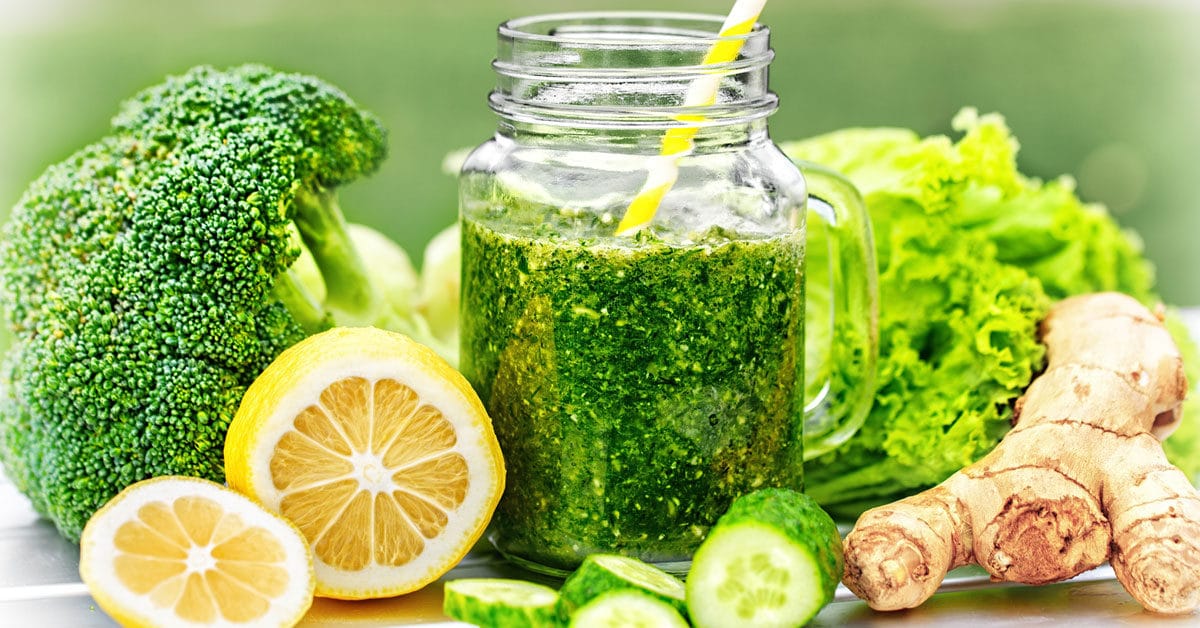
Three easy ways to detox naturally


13 Ways You Can Detox Naturally


Today’s modern lifestyle is a minefield of toxins. There are chemicals and pollutants in our air, our food, our drinking water and even the products we apply to our skin. Although there are ways to minimize the amount of toxins we encounter, the truth is that they’re almost impossible to avoid completely.


Unfortunately, these toxins can have a catastrophic effect on your body. Everyday toxins accumulate in the body over time, building up to dangerous levels. They’re absorbed by your cells, muscles, and soft tissues. Eventually, they weaken your entire immune system.

Research has shown that chemical pollutants can suppress normal immune function, increasing your susceptibility to infections and diseases. Considering 70 percent of your immune system is in your gut, this increases your susceptibility to pathogenic bacteria, fungi and yeast – such as Candida overgrowth.

The good news is that there are many ways to detoxify your body naturally, through diet, supplements, and your daily habits. Make these techniques a regular part of your daily lifestyle and you’ll be on your way to a toxin-free, healthier you!

Natural Detoxification Through Diet

Here are some simple, detoxifying changes that you can make to your diet today.

1.  Increase your water intake

Water helps flush toxins out of your body in the form of sweat, tears, and urine. Choose pure, filtered water from a safe source.

2.  Cut the sugar

Sugar not only increases calorific intake, but can cause inflammation and feed candida. Artificial sweeteners are no better – they’re also toxins!

3.  Eat organic

Many commercially-produced fruits and vegetables contain dangerous pesticides and chemicals, while meats contain antibiotics and hormones. Organic food has more nutrients and fewer pesticides.

4.  Cut processed foods

These often contain preservatives and artificial flavorings that are not only toxic, but increase your appetite.

5.  Add fermented foods and drinks to your diet

These are an excellent source of probiotics which help fight pathogens and yeast. Probiotics also strengthen the immune system, and improve digestion and detoxification.

Sauerkraut is a good source of calcium glucarate, a powerful detoxifier. Research has shown that calcium glucarate helps prevent cancer of the breast and colon.

Natural Liver Detoxification

The liver is the largest organ in the body. It’s also the organ primarily responsible for detoxification: flushing out the various toxins we encounter in our diet, lifestyle and environment. Every one of our body systems is dependent on the liver for ‘cleaning’ the blood of impurities.

The more toxins we ingest, imbibe, and encounter, the greater the burden on the liver. Signs of an overloaded liver include fatigue, headaches, digestive issues, skin problems, and weakened immune function.

A number of supplements can support liver function, including:

6.  Milk thistle

This herb is famous for its active ingredient, silymarin. Silymarin is an important antioxidant and nature’s very own liver nurse. It supports and protects the liver by optimizing liver function and detoxification as well as repairing damage done to liver cells caused by disease, alcohol and drugs.

The active ingredients in milk thistle act like your liver’s own personal gatekeeper. It binds to the outside of the liver cell and when toxins enter the body, it fends them off by blocking entry to the liver cell.

Silymarin also takes care of toxins that have already found their way into the cell, seeking them out and neutralizing them. Neutralized toxins are then either removed from the bloodstream or converted into water-soluble forms which can be sent out of the body as harmless waste (through the bowels, in your urine or in sweat).

Clinical studies have shown that these mechanisms help to maintain liver health and significantly reduce the risk of long-term liver damage.

7.  Molybdenum

Molybdenum is a mineral naturally present in many foods. It’s especially important to the liver in flushing out toxins.

Molybdenum is required for helping the body make several detoxification enzymes, including aldehyde dehydrogenase and aldehyde oxidase. These enzymes work to neutralize acetaldehyde, a harmful metabolic byproduct of alcohol, yeast and fungi.

Candida overgrowth often leads to an excess of this neurotoxin, causing it to build up in the blood, liver and other tissues. This seriously burdens the immune system.

Molybdenum also helps the body synthesize enzymes that oxidize the sulfites in preservatives, as well as neutralizing toxins involved in protein metabolism. In addition molybdenum is involved with expelling excess copper from the body and preventing dental cavities caused by minerals stored in tooth enamel.

Most importantly, molybdenum also helps rid the body of toxins that accumulate when Candida yeast cells die. The die-off process (or Herxheimer reaction) can deplete molybdenum stores very quickly, so it’s important to replace them during your detoxification.

Look for a supplement that contains molybdenum glycinate, as this is the most bio-available and best-tolerated form. A good example is Liver Support by Balance ONE.

8.  Pantethine

A derivative of vitamin B5, pantethine is vital for healthy detoxification. Pantethine also benefits Candida sufferers by supporting healthy metabolism, particularly when it comes to breaking down acetaldehyde. Acetaldehyde is a nasty chemical that affects your metabolic, endocrine, neurological and immune systems. It’s produced by the Candida yeast during your Candida infestation, and it is also released by yeast cells during die-off.

Pantethine helps to flush this poison from the body by working with other bodily functions that make co-enzyme A, a nutrient required for metabolic function. Acetyl Coenzyme A is the active form of pantothenic acid, and it is formed when coenzyme A combines with the acetate in your cells.

Regular intake of pantethine can lower overall acetaldehyde levels in the body. A study in Japan showed that the pantethine prevented a rise in blood acetaldehyde in people who had ingested alcohol. 

Natural Detoxification Habits


9.  Go Chemical-Free

Reduce the toxic load on your body by switching to organic, natural personal care and household products. Natural alternatives to chemical-laden products are now widely available and better for the environment, too!

Another great tip is to make sure that you air out your house regularly. Try to open a few doors and windows on a regular basis. That fresh air will help to eliminate the VOCs that are off-gassed by carpets, furniture and paint.

10.  Reduce stress

You can’t avoid all of them, but you can learn to manage them more effectively. Daily exercise such as jogging or yoga is a good start, as is mind-body exercises such as deep breathing. Stress can directly affect your digestive system.

11.  Exercise

Exercise activates your lymphatic system and increases the level of oxygen in your bloodstream. This helps to optimize immune function, reduce the Candida colonies in your gut and boost digestive transit time.

12.  Sauna

Sauna treatments increase body temperature, which restricts the survival of viruses and other pathogens. Saunas can also help to increase blood circulation, which oxygenates your cells and assists the removal of toxins from your bloodstream. Not only that, a sauna will open your pores and keep your skin’s elimination pathway running smoothly. Sweating helps to remove toxins and can help to relieve some of the symptoms associated with Candida.

13.  Skin Brushing

This helps to clear away toxic metabolites by stimulating the lymphatic system. Firm but gentle brush strokes across the skin will boost blood circulation, allowing for faster elimination of toxins. Use a brush with natural bristles and start from your feet. Use slow, gentle, circular movements and move up your body, brushing towards your heart.

Detox Yourself of Candida – Everyday


Detoxification is one of the most important elements of a successful anti-Candida program. With all the toxins we face in everyday life, our body’s natural detoxification pathways can sometimes fall short. That’s why it’s hugely important to give our liver, skin and blood a helping hand!

Reducing the toxic load on your body is a start, but there are real benefits in supplementing body with quality nutrients through diet and supplements. And anyway, who doesn’t love a good sauna?

For more tips on reducing your toxic load, beating Candida, and recovering your health, check out our Ultimate Candida Diet program.

Thursday, November 14, 2019

Sugar-free Foods: Healthy or Not?


They’re marketed as healthy and low-calorie alternatives to your favorite sugary treats, but are sugar-free foods actually better for you?
 
They’re marketed as healthier, lower-calorie alternatives to your favorite sugary treats, but are sugar-free foods actually better for you? Well...maybe and maybe not. We've got the details on the good and bad of sugar-free foods.

What’s Replacing Sugar?
 
Some artificial sweeteners are calorie-free, while others come along with a small amount of calories per serving (but those calories can add up if you eat them often). The most popular sweeteners are still those blue, pink and yellow packets, along with the newest sweetener on the block called stevia. When used as food additives, you’ll see them on ingredient lists as aspartame, saccharin, sucralose and rebiana.

No matter which type you choose, all faux sweeteners are hundreds of times sweeter than sugar. Despite claims that they’re made from sugar or come from a natural plant source, all have undergone some type of chemical process before they reach your lips. Though research is limited, eating too much of these types of chemically treated sugars has been linked to adverse side effects including stomach upset, blood sugar control issues and increased risk of some types of cancer. Some research also suggests that eating excessive amounts of chemically-sweetened foods will entice the brain to want sugary (and typically less healthy) foods more often – not helpful for the quality of your diet or your waistline.

Read more about the specific dangers associated with popular artificial sweeteners and stevia.

Endless Options
 
Once only used in a limited number of foods, artificial sweeteners are now lurking in everything from diet sodas and juices to cookies and salad dressings. Manufacturers of light ice creams, low-cal yogurts and diet fruit juices often use artificial sweeteners along with added sugars to cut down on calories. So just because something isn’t labeled “sugar-free” doesn’t mean it won’t contain fake sweeteners.

To confuse things ever further, many foods that do use artificial sweeteners exclusively aren’t always lower in fat or calories than their sugar-containing counterparts. Some brands of sugar-free frozen treats, candies and cookies have very similar calorie counts despite their lack of sugar.

Special Needs
 
There is a time and a place for artificial sweeteners. Artificial sweeteners allow for some additional options for those that suffer from diabetes or folks trying to cut back on sugary food overload. But option for sugar-free alternatives shouldn’t be viewed as a free pass to eat sugar-free fare day in and day out for the reasons mentioned above.

Bottom Line: At 15 calories per teaspoon, a small amount of regular sugar here and there can be worked into anyone’s healthy diet. If you do choose to use artificial sweeteners to help with diabetes, weight management and calorie control, do so in moderation and check ingredient lists -- your intake of artificial sweeteners may be more substantial than you think.

TELL US: What’s your take on the faux sugars? 
 
Dana Angelo White, MS, RD, ATC, is a registered dietitian, certified athletic trainer and owner of Dana White Nutrition, Inc., which specializes in culinary and sports nutrition. See Dana's full bio »

You Might Also Like:

Friday, August 23, 2019

The Denaturing Effect of Cooked Food

The following article is taken from Hippocrates Health Institute, home education (Dec 13, 2018): 

Cooked Food What’s In It?

Well, after years of being a pyrofoodiac, I discovered raw food. No, I’m not talking raw meat or even sushi, but rather fruits, veggies and their juices and raw nuts seeds. In their natural, unadulterated, untouched by man, UNcooked and certainly UN-burned state, these foods really can heal all that ails you. It turns out, it’s that cooked food, especially the burnt stuff, that WILL kill you! 

Yes, I know exactly what you’re thinking, “EVERYONE eats cooked food!” But not everyone knows what the cooking of food actually does to the food, and even more importantly, what that cooked food does to your body when you regularly consume it. 


So, what could possibly be so bad about cooking your food? Does something in the food change when you heat it? 


What exactly is IN cooked food? 

Whenever you cook food, whether it’s on a stove top, in an oven, on a grill, in a microwave, or in a fryer, not only does the molecular structure of the food become denatured, deranged, and/or degraded, but those molecules are changed into new chemical configurations (this is a bad thing) and carcinogenic and mutagenic byproducts are formed. The degree to which this happens is dependent on the cooking temperature, time cooked and method of cooking. 

Grilling, barbecuing, smoking and frying are the worst offenders; they are literally the fires of death, but steaming also affects the food. You know that old saying that there are more nutrients in the water of steamed veggies than are actually left in the veggies when they are done steaming? That’s because heat destroys nutrients, especially the water soluble vitamins like vitamin C and all the B vitamins. The heating of food also destroys the food’s enzymes. In fact, 100% of the food’s enzymes are destroyed at temperatures as low as 118 degrees Fahrenheit. In addition, the oxygen and water content of the food is drastically decreased, fats are carcinogenized, carbs are caramelized and proteins are coagulated and become virtually unusable by the body. Even the fiber in food loses that sweeping-like action in the colon

The heating of food also creates toxic byproducts. Here is a list of some of the dangerous byproducts you are most likely unknowingly consuming every time you eat cooked food, whether it’s a carb, a fat or a protein: 

Acrylamides: These are the cancer· causing byproducts of cooking carbohydrate foods such as breads, potatoes, pastries or any kind of starch. Even the FDA (Food and Drug Administration) acknowledges the perils of acrylamides. In fact, on their website (www.fda.com) they have a list of the amount of acrylamides found in various common cooked foods, but you better believe the processed/fast food industry doesn’t want you to know about this! 

Ally aldehyde, butyric acid, nitrobenzene and nitropyrene: The book, Diet, Nutrition and Cancer, published by the U.S. FDA’s Office of Toxicological Sciences and the Nutritional Research Council and the American Academy of Sciences lists these toxins as being formed from heating the fats and oils in food. 

Epoxides, Hydroperoxides, unsaturated aldehydes: These are generated when heating fat from meat, milk, eggs, and fish. 

Furfural / furans: These toxins are spawned when sugars are heated. 

Heterocyclic Arnines (HCA’s): Add heat to amino acids (proteins) such as meat, fish or chicken and these poisons will be served up. 

Indole, skatole, nitropyrene, ptomatropine, ptomaines, leukomaines, ammonia, hydrogen sulfide, cadaverine, muscarine, putecine, nervine, mercaptins: These toxic by-products have been found in cooked cheeses. 

Methylglyoxal and chlorogenic atractyosides: Heating the coffee bean produces these chemicals. 

Nitrosamines: As nitrogen oxides in the gas flame from gas ovens or barbecues interact with fats, these toxins are created. 

Polycyclic hydrocarbons: These carcinogens are generated from the charring of meat. 

Hydrogenated oils/Trans fats: These man-made fats, also called hydrogenated or partially hydrogenated fats, were specifically developed so a processed food could sit on a shelf for a long period of time without going rancid. Many of today’s common foods are also cooked in these trans fats. Consuming trans fats can lead to obesity, heart disease, increases in the bad (LDL) cholesterol and lowering of the good (HDL) cholesterol and it contributes to a host of other debilitating health problems. 

Keep in mind, when heating even the most common cooking oils, such as olive oil, the heat denatures the oil molecules and causes the oil to turn rancid. 


What happens to the body when we eat cooked food? 

We have became a “Pyrofoodiac Nation,” consuming excessive amounts of cooked and overcooked food at each and every meal,· including snacks, to the point of great disease and utter destruction! Here is what happens to the body every time we eat cooked food: 

Digestive leukocytosis: The term leukocytosis refers to an increase in white blood cells, indicating the body is in attack mode. This commonly occurs when you are sick; your white blood cells come out to protect you. It may surprise you to know this immune response also occurs when you consume cooked food. lt is referred to as digestive leukocytes, but it’s interesting to note, this reaction does not occur after eating raw/uncooked food. 

Accelerated aging, lowered pH and free radical formation: Also called, lipofuscin, a build-up of toxic, acidic waste material often referred to as “free radicals” accumulates in the skin (and reveals itself as age spots), liver, nervous system and brain when consuming large amounts of cooked food. Your pH becomes acidic and you are literally rusting from the inside out. 

Weakened immune system, disease production and overworked and enlarged pancreas and other organs: When you are not getting the proper nutrients, your white blood cells are always out in attack mode and toxic wastes are in full circulation, your weak and overworked body breeds common ailments such as allergies, headaches, sinusitis, diabetes, heart disease, erectile dysfunction, depression, arthritis, osteoporosis, and various cancers thrive. 

Intestinal toxemia, unfriendly flora build-up and more difficult digestion: Colonies of unfriendly bacteria take over the colon as they feed on the thick tarlike, undigested and uneliminated cooked food putrefying in the intestines. There is also a significant decrease in the quantity of healthy intestinal flora in the colon, often leading to digestion difficulties. A plant-based uncooked diet decreases the toxic load in the colon and decreases the unfriendly bacteria and other dangerous byproducts that contribute to colon cancer. 

Toxic waste accumulation and mucoid plaque build-up in the blood and colon: A congested bowel full of putrefied cooked food can lead to backup and reabsorption of toxins back into the bloodstream. This accumulation of wastes in the blood vessels can contribute to many of today’s common circulatory problems such as heart disease, high cholesterol, high blood pressure and even erectile dysfunction, and may also contribute to many other common health challenges such as gout, arthritis and various cancers. In addition, common ailments such as runny noses, headaches, asthma and even diarrhea can be signs of a “healing crisis” where the body is overwhelmed and is trying to rid itself of unwanted mucus and toxins. 

Malnutrition & deficiency of important nutrients: Many of those who regularly eat cooked food find themselves always hungry and always eating but totally malnourished, for the nutrient make-up of cooked food is diminished significantly, so the body is always craving more and more. 

Depletion of the food’s life force: As shown in kirlian photography, cooking literally kills food; its bioelectrical energy is destroyed. After cooking, the food is considered “dead.” 

Increased risk of diseases of all types: The cooking of food, especially at high temperatures, literally burns away the anti-disease and anti-cancer properties of food. A diet lacking in raw veggies has been implicated in everything from breast and colon cancer to heart disease, diabetes and even arthritis. 

Baby Steps 

Even if you are not ready to become a 100% raw foodie, you can still do your body good by making some positive food changes and eating less cooked food. Begin slowly by increasing your raw food intake; choose fresh salads over fried onions rings when eating out and avoid all the obviously unhealthy cooking methods with your entree, such as deep frying, barbecuing and charring. Replace your acidic morning cup-o-joe or pasteurized orange juice with a fresh, unpasteurized alkaline green veggie juice and even pick one day a week to eat only raw/uncooked food. Over time, you will start to feel the difference, your skin will glow and your body will thank you with great health. 

©www.doctorginger.com 2007 Dr. Ginger Southall is a consumer health advocate, 
investigative journalist, and a health instructor. She can be reached at ginger@doctorginger.com 


Thursday, June 20, 2019

Support Your Second Brain: The GI Tract

Did you know you have two brains? Our gastrointestinal tract has been dubbed our "second brain" because it contains 500 million nerve cells! Find out how to keep our amazing gut healthy.


Modern gastroenterology suggests our “gut instinct” stems from the 500 million neurons contained in the gastrointestinal tract, in the network of nerves contained in the walls of everything from our esophagus to our stomach and intestines.

That network—the enteric nervous system (ENS)—is what’s known as the “second brain.” And for good reason. The ENS is the body’s second-largest concentration of nerves behind only the brain (and ahead of the spinal column). In fact, there are 30 to 40 percent as many neurotransmitters identified in the gastrointestinal tract as there are in the brain.

The Body’s Prime Source of Serotonin

The ENS controls digestion, including everything from the biomechanics of the stomach and intestines to the alkalinity that allows digestive enzymes to work effectively. By producing 95 percent of the serotonin found in the body, this “second brain” does much to govern how we react to environmental stress. As a regulator of aging, learning, and memory, along with many organ functions and growth factors, serotonin affects our overall physical and mental well-being.

The ENS also produces as much dopamine as the brain—important for everything from motivation to motor control and the production of other key hormones. Working with the brain or independently, the ENS plays a strong role in supporting the healthy functioning of the body.

Protecting the Gastrointestinal (GI) Tract

The connection between the ENS and the brain is yet another reason why nutrition is so important: the healthier the digestive system, the healthier the body. More specifically, the healthier the epithelial tissue in the walls of the GI tract, the better it will protect the nervous and circulatory systems from bacteria and viruses. The healthier the digestive system, the more likely the ENS will function optimally.

Nutrition, Hydration, and Supplements

Consuming fewer processed foods and eating more plant-based foods reduces the stress on our digestive system (and, by extension, the ENS). Hydration is also important, as is relaxation prior to and during meals.

The medicinal mushroom lion’s mane (Hericium erinaceus)—associated with optimal nerve health—may also assist in the proper functioning of the ENS and the way it communicates with the brain.

Nutritional supplements known to enhance tissue health are another avenue toward good digestion: by optimizing the integrity of the epithelial lining of the GI tract.

Everything from mood to decision-making can be affected when the GI tract is inflamed or otherwise under duress. Making the right decisions around healthy eating is one of the surest ways to sustain balance and good choices in every other facet of our lives.

_____________________________________________________________

This article was copied from Support Your Second Brain: Pay attention to your gut instincts published on December 1, 2015 and written by Tawnya Ritco, RHN

Thursday, November 2, 2017

515 Chemicals Women Daily Put on Their Bodies


This infographic (published by Mind Body Green) on chemicals in beauty products takes 'Cosmetics Dirty Dozen' to a whole new level.


When I first got sick so many years ago, from my reading I became aware that not only foods that I put in my body were starkly affecting my health but the air I breathed was also a factor and what was absorbed through my skin was another huge factor. The skin is the largest "organ" of the human body. It keeps our blood and plasma within us; it acts as a barrier to eliminate contamination from our surroundings, but when we intentionally put chemicals on our skin (for the sake of beauty or health) we are (unwittingly perhaps) contaminating the barrier, which is permeable, and exposing ourselves directly to toxins that would only indirectly hurt us if they weren't in such direct contact.

Toothpaste, shampoo, soap, deodorant, perfume, things we never consider to be bad for our health need to be reconsidered.

Wednesday, May 3, 2017

Toxic Clothing - Slowing Killing

The following was published by Lee Euler (editor) of Cancer Defeated Newsletter, Newsletter #111


I'm mindful of the problem because (cancer concerns aside) I'm sensitive to a wide range of chemicals -- including those found in some types of cloth. A few years ago I bought a beautiful set of sheets from a fancy store. The label said they were100 percent cotton, but after sleeping in them a few nights I was in bone and muscle pain from head to toe. Repeated washings didn't get out whatever the offending substance was.

I got a terrible reaction from the dyes or maybe the chemicals used to make those all-cotton sheets "no-iron". You can only imagine what true synthetic cloth can do to us. It's largely a product of the oil industry.


The Toxins Lurking in Your Clothing...

We have the illusion that clothes made from synthetic fibers are safe, but the materials are in fact full of invisible chemicals the clothing industry prefers we don't think about.

A hundred years ago, clothing was made of natural fibers like cotton, flax, wool, and silk. In the early 1900s synthetics were developed.

Although rayon was introduced in 1924, the first truly synthetic fiber was nylon, made by DuPont from the petro-molecule toluene. Nylon because a popular material for women's panty hose.


Other synthetics followed: 
  • Acrylic (1950), aka, "wash-and-wear" fabrics — a "revolutionary time-saving leap" for homemakers 
  • Polyester (1953), "wrinkle free" fabrics developed from xylene and ethylene
  • Spandex and olefin (1959), which became the mainstay of sportswear, swim suits, and thermal underwear. Olefin is produced by "cracking" petroleum molecules into propylene and ethylene gases. 
Today's clothing (a $7 trillion/year industry) is manufactured using an astounding 8,000 synthetic chemicals.

Nowadays, clothes also contain toxins like formaldehyde, brominated flame retardants, and perfluorinated chemicals (Teflon) to provide "non-iron" and "non-wrinkle" qualities. Insecticides are even applied in the name of good health!

For half a century, skin and chemicals have been interacting… creating problems like infertility, respiratory diseases, contact dermatitis, and cancer. The more synthetic clothing you wear, the greater your risk of absorbing toxic chemicals that harm your health.


The Problems with Synthetics…

When toxins are absorbed through your skin — your largest organ — they bypass your liver, the organ responsible for removing toxins. You also may not realize that your skin keeps you healthy by venting toxins… up to a pound per day.

Petrochemical fibers restrict and suffocate your skin — shutting down toxic release. Meanwhile, they contribute to your total toxic burden and may become the "tipping point" for triggering the onset of disease.

Two contributing factors are (1) toxic buildup in your body and (2) multiple chemicals that interact together to create even worse problems than the individual chemicals by themselves.

Skin rashes, nausea, fatigue, burning, itching, headaches, and difficulty breathing are all associated with chemical sensitivity. If you have mysterious health symptoms that you can't seem to get control over, it's worth checking out whether your clothes could be the problem.


The Chemicals You Wear Every Day…

With a "mere" 8,000 chemicals used in clothing manufacture, it's a sure bet you're wearing many as you read this. Let's highlight some of the worst. 

These kinds of fabric finishes "scream" chemicals...
  • Easy Care — Wrinkle free, shrinkage free garments release formaldehyde. 
  • Water Repellent — Fluoropolymers (as in Teflon) are used to repel oil and water 
  • Flame Retardants 
  • Bacterial and fungicidal chemicals — Triclosan and nano-particles are used for this. 
Formaldehyde is linked to a 30% increase in lung cancer, plus skin/lung irritation and contact dermatitis. It is found in fabrics claiming to be: 
  • Anti-cling, anti-static, anti-shrink 
  • Waterproof 
  • Perspiration-proof 
  • Moth-proof and mildew resistant 
  • Chorine resistant 
It's also used in dyes and printing to fix the design and prevent "running". 

Most governments restrict formaldehyde levels in clothing… but not the U.S. One of the worst offenders is China. Beware of "Made in China" labels.

Use of formaldehyde in clothing is extremely widespread. There have even been lawsuits alleging high levels of it in Victoria's Secret bras.

High temps and humidity make "poison clothes" even worse — they open your pores and increase chemical absorption.

And you absorb formaldehyde from multiple sources daily, so don't be fooled by manufacturers' reassurances.

Disperse Blue Dyes may look gorgeous — even regal — but they put you at high risk for contact dermatitis… especially dark blue, brown, and black synthetic clothing. It's important to note — laundering does not reverse that risk. Worse… Disperse Blue 1 is classified as a human carcinogen due to high malignant tumor levels in lab animals.

Incidentally, you might be interested to know that this dye also shows up in cosmetics and semi-permanent hair dyes.

Fire and burn hazards: The Marine Corps now prohibits troops in Iraq from wearing synthetic clothing while off base… after too many unfortunate burns from soldiers wearing polyester, acrylic, and nylon — which readily melt in high heat and fuse to the skin. (Dudes, what did you expect? The stuff is a first cousin to plastic. Both are products of the oil industry.)

Of course, that begs the question of whether flame retardants are safer… Flame Retardant use began in 1971, when government required children's sleepwear to be self-extinguishing. The solution was to add brominated Tris. 

Studies measuring urine samples showed that this chemical is readily absorbed. Brominated Tris is a mutagen, and causes cancer and sterility in animals. (Mutagens cause inheritable mutations by damaging DNA.) They also cause testicular atrophy and sterility.

Tris was banned in children's clothing in 1977 (but lives on in upholstered furniture foam, baby carriers, and bassinets). Today most synthetic fabrics contain a new generation of flame retardants bonded into the fabric, which must survive 50+ washings.

According to the U.S. Consumer Product Safety Commission's National Burn Center, only 36 children a year suffer serious injuries from sleepwear catching fire. My heart goes out to these tragic victims and their families. But is the toxic contamination of millions of children worth protecting 36 children per year from burns?

This sort of regulation is a product of the "precautionary principle" — the notion that there should be no limit to the amount of money spent or the amount of inconvenience inflicted on millions of people when it comes to preventing rare dangers that affect a tiny number of people. The mania for making our society risk-proof and accident-proof actually increases danger in many cases.

The Consumer Product Safety Commission exempts certain sleepwear from flammability standards. Two companies selling kids' sleepwear without flame retardants are L.L. Bean and Lands' End.

But it's not just children's sleepwear… Demand is high for fire-retardant uniforms and civilian clothing. 

Lab studies show that flame retardants (PBDEs) can cause a slew of health issues — thyroid problems, brain damage, ADHD symptoms, and fertility problems.

The insecticide permethrin is now in civilian outdoor wear and military uniforms even though no long-term studies have assessed its safety. We wrote about this dangerous chemical in Issue #89. You can see it at www.cancerdefeated.com/newsletters.

Silver nanoparticles in name-brand clothing create anti-odor, anti-wrinkle, and anti-stain clothes. "Nano" means "really tiny"… super-microscopic. Nano-particles in clothing can create easily absorbed toxins that, due to their miniscule size, are transported into all your organs, including your brain… consequences unknown.

Other scary toxins include sulfuric acid, urea resin, sulfonamides, halogens, and sodium hydroxide.


The Health Hazards of Built-Up Electrical Charges…

Electrostatic charges accumulate in synthetic clothing. There are stories of shocking mini-explosions from mixing layers of synthetic clothing with synthetic carpeting.


And get this: synthetic undergarments contribute to infertility in men.


A 24-month study of male dogs wearing either loose-fitting polyester underpants or loose-fitting cotton ones showed that wearing polyester created significant decreases in sperm count and degeneration of the testes. The animals wearing cotton suffered no side effects. (And, please, no letters to the editor about dogs wearing underwear. I agree, it sounds silly.)

Scientists think polyester traps body heat, encourages chemical absorption, and creates electrostatic build-up… which all affect sperm count.


Is Tight Fitting Clothing a Problem?


The short answer is "yes".

We recently ran an article on the risks of wearing bras, especially tight ones (Issue #65).

Probably the most unsafe clothing item ever introduced in the name of fashion was the corset. It squeezed women's bodies and crushed their internal organs to the point of broken ribs.

Today, some scientists believe restrictive bras suppress the lymphatic system — which flushes toxins from your breasts and lymph nodes and helps prevent breast cancer.

Anna Maria Clement and Brian R. Clement, co-authors of the book Killer Clothes, recommend limiting bra usage as much as possible.

Your shoes might also fit the category of tight clothing. A 2009 survey of 2,000 people found that 40% of women buy and wear uncomfortable shoes to make a fashion statement. By contrast, just 17% of men did likewise.


Synthetics Hurt Athletic Outcomes…

Despite the wide appeal of synthetic athletic apparel, medical studies show that synthetic fibers cause muscle fatigue — which can mean the difference between winning and losing for competitive athletes.

In a study of 24 27-year-old men, natural linen long-sleeved shirts were worn for five hours -- and then polyester ones were worn for another five hours. Their arms were monitored during both, with electrodes measuring skin temperature and velocity of the men's muscle tissue.1

No changes were measured when they wore the linen. But when they donned polyester they endured a range of muscle disruptions…


The Bottom Line…

It's important to realize that while individual chemicals might not endanger your health, the synergistic effect of multiple chemicals interacting can have unpredictable negative effects.

Natural and organic clothing is becoming more popular again. But it can still be a challenge to find it, and you may have to piece together items from multiple suppliers. Here's empowerment for the process…

Priority #1 — Choose natural fibers
  1. Cotton — preferably organic. It still remains the "king" of textiles. Organic accounts for less than 1% of worldwide production
  2. Flax — one of nature's strongest fibers
  3. Hemp — grows without any need for fungicides, herbicides, or pesticides because it's naturally insect-resistant. Its fibers are reported to be four times stronger than cotton. This is NOT the hemp known for its mind-altering properties! 
  4. Silk — known as the "queen of fabrics". Watch out for the use of synthetic dyes in silk. 
  5. Wool — most of today's wool is contaminated with chemicals, i.e., pesticides used to kill parasites. But organic wool is becoming more common. 
  6. Other — alpaca, angora, camel, cashmere, mohair, ramie, aluyot
Incidentally, the Organic Trade Association estimates that one non-organic cotton T-shirt uses one-third pound of pesticides and fertilizers. Cotton production uses one-fourth of all the world's fertilizers.2 It's another good reason to choose organic cotton to add to the ones above.

Here are some sources to get you started in your search for healthier clothes. 
  • Hempest.com 
  • Patagonia (small line of organic clothing) 
  • Ecowise.com 
  • Fairindigo.com 
  • Faeriesdance.com 
  • Kasperorganics.com 
  • Juteandjackfruit.com 
Start small… Choose organic for clothing closest to your skin most of the time — underwear, sleepwear, camisoles, and the like… and then build as you replace items in your closet. Move in a healthier direction with your clothing to drastically reduce your chemical load.

Kindest regards,

Lee Euler,
Publisher

Monday, February 20, 2017

Eat Lots of Sweet Potatoes

A few years back, I received this email on the relationship between food and certain aspects of health. At the time, because of my extreme reactions to anything starchy (sweet potatoes for one), I drooled over being able to eat sweet potatoes again. Well, now I've added them in moderation, and wow do they make me feel better. They're also rich in vitamin A and I have an extreme deficiency in that vitamin because I had to avoid vitamin A rich foods for so long because of reactions. Well, now I'm posting. Eat sweet potatoes ... if you at all can!

EAT LOTS OF SWEET POTATOES 

This is interesting ... old but a good reminder... It's been said that God first separated the salt water from the fresh, made dry land, planted a garden, made animals and fish. He did all of of this before making a human.  He made and provided what we'd need before we were created. He made many kinds of food - fruits, vegetables, grasses and grains, and intended for them to be eaten raw. They are best and more powerful within the body when eaten raw. 

We're such slow learners. God even left visual devices for us to associate certain kinds of foods to benefit certain functions and areas within our bodies.  Many many visual clues! God's Pharmacy! Amazing! 


A sliced carrot looks like the human eye. The pupil, iris and radiating lines look just like the human eye. And, yes, science now shows carrots greatly enhance blood flow to and function of the eyes. 


A tomato has four chambers and is red. The heart has four chambers and is red. All of the research shows tomatoes are loaded with lycopine and are indeed pure heart and blood food. 

Grapes hang in clusters that have the shape of the heart. Each grape looks like a blood cell and all of the research today shows grapes are also profound heart and blood vitalizing food. 

A walnut looks like a little brain, a left and right hemisphere, upper cerebrum and lower cerebellum. Even the wrinkles or folds on the nut are just like the neo-cortex. We now know walnuts help develop more than three dozen neuron-transmitters for brain function. 

Kidney beans actually heal and help maintain kidney function and yes, they look exactly like the
human kidneys. 

Celery, bok choy, rhubarb and many more look just like bones. These foods specifically target bone strength. Bones are 23% sodium and these foods are 23% sodium. If you don't have enough sodium in your diet, the body pulls it from the bones, thus making them weak. These foods replenish the skeletal needs of the body. 

Avocado, eggplant and pears target the health and function of the womb and cervix of the female - they look just like these organs. Today's research shows that when a woman eats one avocado a week, it balances hormones, sheds unwanted birth weight, and prevents cervical cancers. And how profound is this? It takes exactly nine months to grow an avocado from blossom to ripened fruit. There are over 14,000 photolytic chemical constituents of nutrition in each one of these foods. Modern science has only studied and named about 141 of them.

Sweet potatoes look like the pancreas and actually balance the glycemic index of diabetics. There are many kinds and shapes of sweet potatoes and they all have different nutrients but they all provide many essentials for good health.


Figs are full of seeds and hang in pairs when they grow. Figs increase male sperm mobility and increase the numbers of sperm as well as help overcome male sterility and fertility issues.


Oranges, grapefruits, and other citrus fruits look just like the mammary glands of the female and actually assist the health of the breasts and the movement of lymph in and out of the breasts.

Onions look like the body's cells. Today's research shows onions help clear waste materials from all of the body cells. They even produce tears which wash the epithelial layers of the eyes. A working companion, garlic, also helps eliminate waste materials and dangerous free radicals from the body. 

Not only did God create man in His own image (Genesis 1), He designed a whole garden beforehand to feed and nurture His ultimate and last creation. Nothing else was created on the 6th day of creation week, and nothing was created afterwards. God and man rested on the seventh day, enjoying the beauty of the garden and all that God had made. King David marveled at the smallness of human and yet at the great regard that God had for man when He created him: Psalms 8:3-4 (KJV): 
When I consider thy heavens, the work of thy fingers, the moon and the stars, which thou hast ordained; what is man, that thou art mindful of him? and the son of man, that thou visitest him?
While I still can't eat all of these foods that God provided -- e.g. figs are very glycemic -- I'm still blessed to have so many natural resources, the real medicine, to slowly get better. And I've come a very very long way in improving my health because of whole foods, many of them. God's resources has been the secret for my getting better!

Tuesday, January 3, 2017

Drinking Water 101

Here's an article on a topic very dear to my heart since I've had so many problems and reactions to the water here in Seoul. The articles is published by Hippocrates Health Institute in Florida, a 100% raw food lifestyle education center. 

DRINKING WATER 101


Clean Water 

Water is the most important nutrient for your body second only to air. You can go for months without food but, you can only go for a few days without water. Water not only keeps your tissues and organs hydrated but it also assists in the absorption of nutrients to your cells. The water you drink becomes your blood. It gives you energy, reduces inflammation, improves your skin, lubricates your joints, and helps keep you young and healthy! But, what is the best kind of water to drink and where can I find it? 

Wild Springs 

When it comes to making the safest and healthiest water for human consumption it is a good idea to try to re-create the same conditions in which nature delivers the purest water to us. The best water on earth rises from great depths from free-flowing, natural wild springs. This water is scrubbed by the rocks in a natural cleansing action as it rises by its own volition until it joyously springs forth on the earth’s surface in a celebration of life ready to be consumed. Wild spring water has been distilled by nature and preserved deep within the earth for many hundreds (in some cases thousands) of years far removed from human contamination.

On its long journey to the surface the water rubs itself against many miles of rocks and crystals. This movement against dissimilar materials charges the water, restructures the water and gives the water energy and life. This process makes the water molecules more linear and structured in such a way that it is more easily absorbable and better hydrating. It also makes any minerals in the water living and organic by charging them in the same way the plants charge the minerals through the xylem in their root structure. This movement prepares and arranges the minerals in such a way that your body can utilize them. Still stagnant water creates dead inorganic minerals.

But, not all spring water is created equal. Some springs are better than others. The best springs are typically found in the mountains. Curiously near the peak of the mountains, not near the bottom. Here are some other signs of a good spring:
  1. The water will be consistently cold in every season indicating a very deep aquafer
  2. The water flow rate will be consistent even during periods of little or no rain again indicating a very deep aquafer
  3. The pH will be close to neutral
  4. The total dissolved solids (TDS) will be low
  5. A high number of turns per foot
There is a list of wild springs in your area at findaspring.com. This online directory is a community and user created database of natural springs around the world. Some of these springs are in public state parks and some are on private property. If you bring your own bottles almost all of them will allow you to collect the wild spring water for free or with a voluntary donation. Some of these springs will have water test results posted. I recommend that you have your wild-crafted spring water professionally tested in a lab to be sure it is safe to drink. 

Filtered Water

Not everyone is fortunate enough to have access to good quality wild springs or have the inclination to go and get collect their own water. Even if you do I would still recommend that you have a really high quality whole house water filtration system professionally installed. This way every time you shower, bath, brush your teeth, wash your clothes, wash your dishes, water your plants, or drink from any faucet in the house you are using clean water. Some whole house water filtration systems simply perform better than others. Typically, these systems are multi-staged since it takes different kinds of filter media to remove different kinds of contaminants.

Here is what to look for in a high quality whole house filtration system:
  1. Outputs water with a low TDS (less than 50ppm)
  2. Removes chlorine
  3. Removes fluoride
  4. Removes heavy metals
  5. Removes pharmaceuticals
You will probably notice a drop in water pressure after you install a whole house water filtration system. This is because water filters have to slow the water down in order to be effective. You may want to consider installing a booster pump to maintain your normal water pressure. Water filtration technologies are constantly improving and new and better products are becoming available every year. I teach a class called “Water Wisdom” as a part of the Life Transformation Program where I share with our guests the latest and best technologies and products available and where to get them. There are water filters that will remove most of the contaminants listed above. 

If you do not own your home or you are otherwise disinclined to install a whole house water filtration system I would recommend that you at least install shower head filters on all your showers and use a portable water filters in the kitchen for drinking, preparing meals and in the bathroom for brushing your teeth. You can also get an RV inline hose water filter for watering your outdoor plants. Again, consider coming to Hippocrates to get the full download on the latest and best portable water filter technologies and products available and where to get them.

Bottled Water

While bottled water is an environmental disaster it is a reality for some people because of the lifestyle they have created for themselves. I would recommend that you use a reusable water bottle whenever possible preferably made from glass. Bottled drinking water is not regulated by the USDA nor the EPA so there are now laws governing and there is no oversight. As a result the industry is rife with abuse. In fact, 50% of all bottled drinking water tested is nothing more than just plain old tap water. On a scale of one to ten (ten being the best) here is my scoring system for bottled water: 

Enhanced Water

Once we have effectively filtered the water the next step is enhancement. It is a good idea to attempt to re-create the same conditions in which nature delivers the purest water to us – freely flowing water from natural wild springs. This movement is nature’s way of energizing and enhancing the water and preparing it for consumption. These natural conditions can be replicated at home with some of the following items:
  • Pouring
  • Stirring
  • S-curves
  • Whirlpools
  • Vortex
  • Sacred geometry
  • Magnets
  • Crystals
  • Light
  • Positive thoughts 
This will prepare the water for your cells making it healthier, better hydrating, and better tasting. Water has consciousness and it craves our respect. These types of water enhancements will reenergize, restructure and rememorizes water that has in some cases been abused. Municipal tap water has been unnaturally mixed with chemicals and exposed to pollution, forced through miles of pipes, valves, pumps and machines exposing it to chaotic energies alone its long arduous journey. There are devices that will accomplish the type of desirable enhancements such as the ones listed above. We utilize some of these devices here at Hippocrates for providing the best water for our guests, our associates, and for our plants.

Here are Hippocrates we take a holistic approach to the natural healing arts. We believe and we teach that if you give your body the right substances, forces influences and conditions that your body will take care of itself. This includes:
  • Adequate Sunshine
  • Pure Fresh Air
  • Clean Water
  • Plant-rich, Nutrient-dense diet
  • Exercise
  • Adequate Rest
  • Spiritual Outlook
  • Positive Thinking

Of all the things you can do for your optimal health the two acts of simply consuming only the best clean water and breathing only pure fresh air are by far the most important things you can do for your body.


Article by Brian Hetrich, Greenhouse Manager

Wednesday, November 2, 2016

Citric Acid Derived from Black Mold

Just what is your food made of, anyway? Try industrial synthesis, genetically modified mold secretions, hydrochloric acid, mercury-contaminated caustic soda, ferrocyanide… and, of course, lots of GMO corn.

If common ingredients like “citric acid” and “ascorbic acid (vitamin C)” sound normal and familiar enough that you practically conjure up an image of the flourishing orchard they were grown in – then think again.

Picture instead an industrial factory, carrying out protocols developed in a lab, produced with enough winding nozzles, tanks, valves, pipes and other thinga-ma-jiggers to create a meandering and disorienting Dr. Seuss story. Because, after all, these common –nearly ubiquitous – ingredients don’t come from where you might assume (i.e. simply, citrus fruits).

Instead, mass produced citric acid and ascorbic acid are hidden GMO ingredients that reportedly set off allergenic responses for some sensitive consumers. Further, both are known accomplices to the creation of benzene – a known human carcinogen – inside food and drink products alongside sodium benzoate.

Feel free to peruse these blogs and forums for complaints about citric acid from those allergic or intolerant to citric acid itself, mold & yeast and/or corn. Food intolerance to citric acid, or the components of its production, can trigger such symptoms as: stomach pain, reactions in the mouth, headaches, diarrhea, vomiting, cramping, hives, dark circles under the eye and/or blotchy skin.

Nevertheless, most people are not allergic to citric acid, and have no identifiable negative effects from eating it. But it does serve as a poignant reminder that what we eat comes from food products – constructed as if from tinker toys, with multiple, highly processed ingredients that virtually no one would recognize and few know anything about.

Otto Von Bismarck famously quipped back in the 1800s that “Laws are like sausages, it is better not to see them being made.” But today there is an endless array of foods that would baffle or disgust consumers if they saw them made. Industrial food processes have rendered entire grocery stores filled with food products whose ingredients would be even less recognizable than the contents of sausage.

Citric acid: in practically everything on the shelf


Citric acid is common enough to find in foods of virtually every kind, due to its use as a preservative – extending shelf life and preventing spoilage – as well as to enhance flavor with its acidic and slightly sour taste, which gives all manner of “natural”-ish and completely artificial foods and beverages a “refreshing” kick. Despite being a known hidden GMO, it is even frequently found in certified “organic” foods – and the USDA and FDA allow it to be in there.

Citric acid isn’t becoming a controversial foodie’s food-to-avoid, but instead trending for its ability to bring out the pucker-inducing and tangy tastes in popular foods. It is increasingly celebrated for helping to bring a balance of “all five flavors” to countless restaurant dishes and prepackaged processed foods – indispensable to even celebrity and TV contestant chefs.

Like MSG, the widely used ingredient that enhances ‘savory’ flavors and induces cravings, citric acid is widely used not only as a preservative but as a “fairy dust of flavour amplification” by enhancing and intensifying other flavors present in the recipe.

MSG and citric acid are essentially enablers to modern America’s food frenzy addiction – making even bland foods not just palatable and tasty, but downright delectable and captivating. With so many ingredients raising red flags, piling on sugar, synthetic chemicals and calories while contributing to obesity, diabetes, heart conditions and even cancer – MSG, citric acid and their peers make manufactured food products possible.

Both are used industrially to make even bland foods taste better and last longer on the shelf, regardless of nutritional value. But like many other common food additives, the science behind their production would probably take away from their (artificial) palate appeal.

Manufacturers and distributors of citric acid – as well as the larger food industry who use it as an ingredient in practically everything – benefit from the public’s assumption that citric acid comes from fruit. While this natural appeal is frequently used in food marketing and product imagery (as this chemical manufacturer clearly does), the reality of large scale, mass production of citric acid bears little to no resemblance. Ignorance-based marketing: This chemical company uses the “fresh” image of citrus fruit to market its citric acid – with no mention that it is most likely derived from genetically modified black mold grown on GMO corn syrup.

As the Globe and Mail succinctly puts it:
Citric acid occurs naturally in such fruits as limes, pineapples and gooseberries. The dry, powdered citric acid used as an industrial food additive since the early 19th century, however has a less appetizing source; it is manufactured using a mould that feeds on corn syrup glucose.
Citric acid does in fact occur naturally in citrus fruits like lemons, oranges, grapefruits in significant quantities … in fact, as a product of the Kreb’s Cycle, it is present in most living things. But industry would find it simply too costly and … well, simple to derive their preservative ingredient that way.

Actually, a cornered citrus market was already making this form of citric acid too expensive by the mid-to-late 19th century, making an alternative economically desirable even then. Authors Michael Mattey and Bjorn Kristiansen argue in their introduction to Citric Acid Biotechnology that “the science, though important, is secondary to the economics and politics of production” of citric acid.

Instead, since the early 1900s, the black mold Aspergillus niger has been used to ferment starches to derive citric acid. In 1893, a chemist named C. Wehmer discovered that citric acid could be produced with penicillium mold and sugar. Wartime disruptions in the Italian citric acid market paved the way for full-scale industrial production, after a food chemist named James Currie discovered that Aspergillus niger was even more efficient at producing citric acid. Currie also developed new methods for fermentation, and Pfizer hired him and launched a plant in 1917 to mass produce citric acid grown from mold in a sugar medium. Currie’s methods were also used by Pfizer to drastically increase the production of penicillin, credited with saving countless lives.

Today, it is not only true that nearly all citric acid is made through mold fermentation with GMO corn, but that it is produced by some of the biggest of Big Ag food producers, both in the U.S. and in China.

The three biggest domestic producers of citric acid – Archer Daniels Midland, Cargill and Tate & Lyle Americas (actually a British company) – have been recently involved in suits over import duties and trade turf against Chinese firms, including Shandong TTCA Biochemistry, battling for market share in America.

Think of all the times citric acid shows up on the ingredients label in things that you or those you love eat. We already know it isn’t as simple as squeezing a lemon or lime, but what the hell is it, anyway?

Judge for yourself, with a glance over this “simple” formula:

THE PROCESS: How Citric Acid is Synthesized from Genetically Modified Black Mold

Citric acid production has become a refined and highly prized industrial process. Numerous scientific studies discuss revisions and improvements to the efficiency. But there are definitely some constants to this often competitive and secretive process:
Engineering the mold: Aspergillus niger is a naturally occurring black mold that commonly appears on fruits and vegetables, as pictured on the onion above (source: S.K. Mohan, Creative Commons license). However, significant modification of A. niger has taken place over the past several decades to increase production of citric acid and decrease the production of unwanted byproducts. This has resulted in countless generations of genetically modified mutant variants, now specialized for industrial-scale economics. Two of the main types of modification are:
Further genetic modification and “improvement” of A. niger are an object of ongoing study and industrial practice.

Producing the Sugar Medium: Nearly all industrial citric acid begins with a highly processed glucose corn syrup that is derived from corn wet milling (other parts of the corn residues go to other processes). Other industrial sources include beet sugar and cane molasses, and occasionally also fruit waste.

But it’s hard to beat the economics of subsidized corn – the vast majority of which is the unlabeled, genetically modified, high starch (yellow dent #2) variety – that can synergistically contribute to ingredients like citric acid as well as ingredients like high fructose corn syrup, dextrose (corn sugar), maltodextrin, corn oil, corn meal, ascorbic acid (labeled as vitamin C), MSG and other free glutamates (such as ‘hydrolyzed vegetable protein’), malic acid, baking powder, vanilla, xantham gum and perhaps hundreds of others. Often times, hydrochloric acid is employed in the corn-conversion process.

To transform corn or other plant starches into by-products that can be used to create these ingredients, some serious chemistry must be employed. (click on images to enlarge)


After wet milling corn to separate the starch, the production of many of these ingredients then involves a bath in strong bases, where lyes are used to break down the plant material further. Sometimes this means autolysis, when yeasts or bacteria ferment the material, and other times hydrolysis is used – which vary depending upon the type of additive, and the most efficient and cost effective established processes.

As with other common food ingredients, there is an ongoing issue with mercury cell technology – an outdated model still used in several major chlor-alkali plants – that have a known issue with mercury contamination during the application of caustic soda (to neutralize work with acids). Among hundreds of food ingredients that are potentially contaminated by mercury, studies show the three most common are high fructose corn syrup, sodium benzoate and, yep, citric acid.

A 2009 study published in Environmental Health analyzed the level of mercury contamination from the chlor-alkali process, resulting in numerous grabbing headlines warning about the mercury content in high fructose corn syrup. Although citric acid didn’t make the news, it too is processed in the same way:
Mercury cell chlor-alkali products are used to produce thousands of other products including food ingredients such as citric acid, sodium benzoate, and high fructose corn syrup. High fructose corn syrup is used in food products to enhance shelf life. A pilot study was conducted to determine if high fructose corn syrup contains mercury, a toxic metal historically used as an anti-microbial. High fructose corn syrup samples were collected from three different manufacturers and analyzed for total mercury. The samples were found to contain levels of mercury ranging from below a detection limit of 0.005 to 0.570 micrograms mercury per gram of high fructose corn syrup.
Medium preparation: Various proprietary combinations of acids and heat are used to remove impurities and sterilize the corn syrup or other substrate, including: decationization (to alter the charge of ions), thermodynamic hexacyanoferrate clarification (pertaining to an ion exchange using an iron/cyanide compound) as well as boiling – that’s right, they use cyanide.

Meanwhile, the sugar substrate is diluted in preparation for fermentation.

Inoculation, itself a complicated step: Through a careful process, the spores or cultures of the fermenting agent is introduced, mixed and multiplied. In nearly all current industrial processes, a genetically modified mutant strain of Aspergillus niger (black mold) is then used to ferment the corn sugar syrup into citric acid over the course of several days. (click pictures to enlarge)


Careful control is applied to the pH of the mixture; in various modifications to the process, different types of acids (including hydrochloric acid) are used to increase the productivity of Aspergillus niger and prevent other unwanted products, such as oxalic acid. Subsequent genetically mutated strains of A. niger have been developed to allow the “non-production” of oxalic acid at a higher pH of 5 with the presence of manganese, whereas some production facilities have required a pH as low as 2 to prevent the formation of oxalic acid at the expense of citric acid production. 

Fermentation in the Reactor: The mold-glucose solution is fermented inside in an industrial reactor, generally constructed of stainless steel tanks or towers (to mitigate past manufacturing issues that have occurred in the industry with corrosion and leaching [p. 4 submerged process] and also contain manganese [useful in controlling the production of citric acid]). The reactor includes a sophisticated aeration system that maintains the desirable level of dissolved oxygen, which fluctuates during different stages of the fermentation process.

The process of fermentation leads to the catabolism of glucose sugar by the Aspergillus niger, leading to its secretion of citric acid into the culture broth.

Spore levels, temperature and pH are all tweaked over the course of several hours or days as production of citric acid increases, peaks, then planes off.

Broth separation: After fermentation, the “culture broth” must be separated so the citric acid can be obtained. The processes vary and, again, are closely guarded trade secrets. Some processes cut the fermented broth using a solvent extraction method, while most modern citric acid production utilizes a process known as “calcium citrate precipitation.”

Calcium citrate precipitation: The fermented broth is neutralized by calcium hydroxide, converting/precipitating much of it to calcium citrate. This is then filtered out of the solution, and sulfuric acid is then used to convert the calcium citrate to citric acid and calcium sulfate. The calcium sulfate is filtered out and evaporation for crystallization begins.


Crystallization: Another secretive step is the exact process for converting the final substrate of citric acid into the crystalline white powder that is sold to food manufacturers and consumers. An entry in Volume 17 of Biotechnology and Bioengineering published in 1975 describes the process: “The filtrate is concentrated under vacuum at a low temperature to give crystals of citric acid. Details of both fermentation and crystallization procedures are closely guarded trade secrets.”

The process is likely even more refined, specialized and high tech today. A Wikispaces entry for Citric Acid describes putting the isolated citric acid through additional steps with “activated carbon, cation and anion exchange resins in fixed bed reactors” before evaporation. It then describes both a hot and cold process of crystallization, with the former producing anhydrous citric acid, and the latter producing monohydrate citric acid.

Finishing for Market: The products then can undergo centrifuging, fluidized bed drying and classification (by grain size) before reaching the market.

Sodium Citrate: A related ingredient that is commonly used in foods as an acidulant, as citric acid is, and as an emulsifier in cheese products, is sodium citrate. It is typically created in the same facilities where citric acid is produced, by adding caustic soda (sodium hydroxide, a.k.a. lye) to citric acid, neutralizing it into a weaker citrate salt. Cargill, Archer Daniels Midland and Tate & Lyle are all major producers of sodium citrate.

If the use of caustic soda involves a mercury-cell chlor-alkali plant (see above diagram), further mercury contamination could occur, though membrane-cell technology is replacing it in most plants.

An additional issue with citric acid pertains to its use as a common preservative alongside other ingredients that could cause known carcinogens, like benzene, inside food products:


Citric Acid and Sodium Benzoate “Fizz-ion”: A Carcinogenic Contaminate 
the Soda Companies Have Known About For Decades


Academic studies emerged in the early 1990s about a potent combination of ingredients that was frequently showing up in soft drinks, sports drinks and artificially flavored citrus beverages: the presence of sodium benzoate had the known potential to break down in benzene, a known human carcinogen, when in the presence of heat, or in particular, either citric acid or ascorbic acid. Studies proved that this could happen right inside the drink containers – while in transport, on store shelves or waiting for consumption in consumers’ homes.

Yet nothing was done about it, until the scandal reemerged in 2005 when the FDA was confronted with studies conducted by a private citizen! Numerous European studies in Germany, Belgium and elsewhere backed up the data, and things slowly began to change.

Afterwards, many diet soda brands, sports drinks and citrus-flavored beverages voluntarily removed the troubling ingredient sodium benzoate (though some laughably replaced it only with potassium benzoate, which has the same potential to create benzene).

However, many other brands have done nothing at all, and the FDA allows them to continue using this dangerous mixture of ingredients, despite clear data on the matter. Foods and drinks containing the potentially harmful combination of sodium benzoate and citric acid can STILL be commonly found on store shelves, perhaps especially with generic brands.

Start reading ingredient labels on the brands that you shop for – and those you already know best to avoid – and take note of just how many products contain the hidden GMO ingredient citric acid. We recommend simplifying your diet by eating fresh produce – better if they are grown by someone you know/trust or are “organic” – and foods with as few ingredients as possible.

How many times have you glossed over this seemingly natural ingredient – despite the fact that it is a highly processed and synthetic food additive?

Nevertheless, the FDA has –like practically everything else – “Generally Recognized [it] as Safe” (GRAS). For the record, here is the FDA’s chapter on the oversight of the process of citric acid fermentation by Aspergillus niger:
TITLE 21–FOOD AND DRUGS
CHAPTER I–FOOD AND DRUG ADMINISTRATION
DEPARTMENT OF HEALTH AND HUMAN SERVICES
SUBCHAPTER B–FOOD FOR HUMAN CONSUMPTION (CONTINUED)
PART 173 — SECONDARY DIRECT FOOD ADDITIVES PERMITTED IN FOOD FOR HUMAN CONSUMPTION 
Subpart C–Solvents, Lubricants, Release Agents and Related Substances
Sec. 173.280 Solvent extraction process for citric acid. 
A solvent extraction process for recovery of citric acid from conventional Aspergillus niger fermentation liquor may be safely used to produce food-grade citric acid in accordance with the following conditions: 
  • (a) The solvent used in the process consists of a mixture of n-octyl alcohol meeting the requirements of 172.864 of this chapter, synthetic isoparaffinic petroleum hydrocarbons meeting the requirements of 172.882 of this chapter, and tridodecyl amine.
  • (b) The component substances are used solely as a solvent mixture and in a manner that does not result in formation of products not present in conventionally produced citric acid.
  • (c) The citric acid so produced meets the specifications of the “Food Chemicals Codex,” 3d Ed. (1981), pp. 86-87, which is incorporated by reference (Copies may be obtained from the National Academy Press, 2101 Constitution Ave. NW., Washington, DC 20418, or may be examined at the National Archives and Records Administration (NARA). For information on the availability of this material at NARA, call 202-741-6030, or go to: http://www.archives.gov/federal_register/code_of_federal_regulations/ibr_locations.html.), and the polynuclear aromatic hydrocarbon specifications of 173.165.
  • (d) Residues of n-octyl alcohol and synthetic isoparaffinic petroleum hydrocarbons are removed in accordance with good manufacturing practice. Current good manufacturing practice results in residues not exceeding 16 parts per million (ppm)n- octyl alcohol and 0.47 ppm synthetic isoparaffinic petroleum hydrocarbons in citric acid.
  • (e) Tridodecyl amine may be present as a residue in citric acid at a level not to exceed 100 parts per billion.