Showing posts with label lifestyle change. Show all posts

Sunday, December 22, 2019

Toxic Overload and 13 Ways to Detox Naturally

Feeling lethargic, not up to your old self, perhaps getting sick easily or experiencing depression? Maybe a serious look into detoxing might offer some relief or refresh your system. The following article was taken from The Candida Diet blog, and obviously it was written specifically for people with candida. That said, the article extends to anyone wanting to purge the buildup of excessive chemicals and environmental toxins we are all exposed to through just daily living, food shopping and consuming, and simply moving around in our environment.
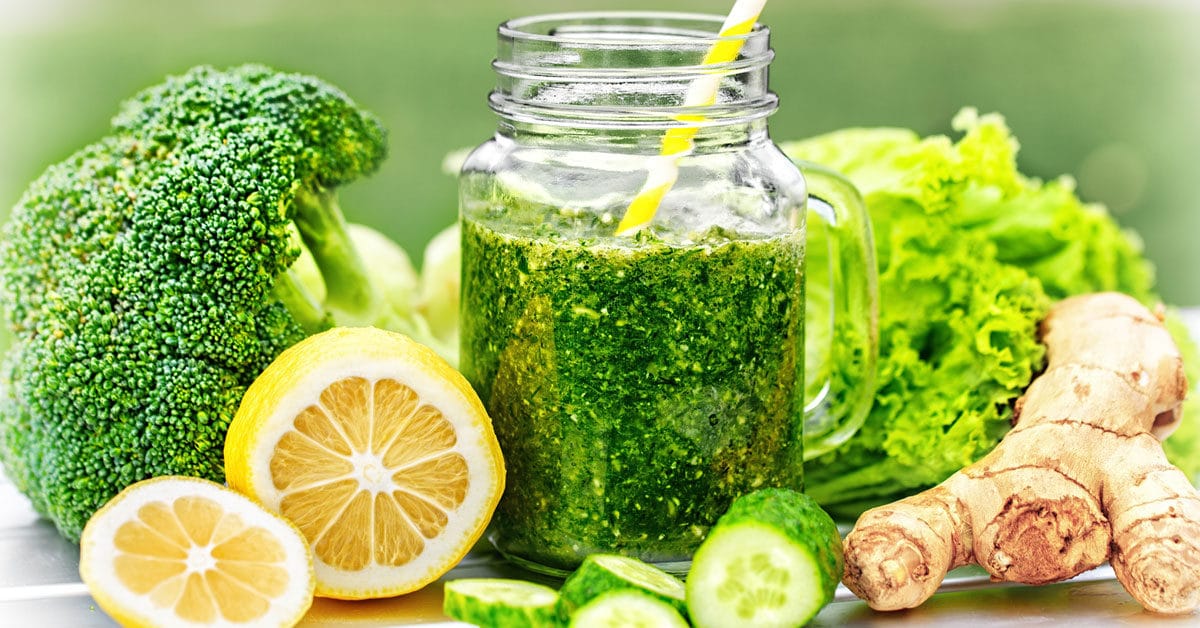
Three easy ways to detox naturally


13 Ways You Can Detox Naturally


Today’s modern lifestyle is a minefield of toxins. There are chemicals and pollutants in our air, our food, our drinking water and even the products we apply to our skin. Although there are ways to minimize the amount of toxins we encounter, the truth is that they’re almost impossible to avoid completely.


Unfortunately, these toxins can have a catastrophic effect on your body. Everyday toxins accumulate in the body over time, building up to dangerous levels. They’re absorbed by your cells, muscles, and soft tissues. Eventually, they weaken your entire immune system.

Research has shown that chemical pollutants can suppress normal immune function, increasing your susceptibility to infections and diseases. Considering 70 percent of your immune system is in your gut, this increases your susceptibility to pathogenic bacteria, fungi and yeast – such as Candida overgrowth.

The good news is that there are many ways to detoxify your body naturally, through diet, supplements, and your daily habits. Make these techniques a regular part of your daily lifestyle and you’ll be on your way to a toxin-free, healthier you!

Natural Detoxification Through Diet

Here are some simple, detoxifying changes that you can make to your diet today.

1.  Increase your water intake

Water helps flush toxins out of your body in the form of sweat, tears, and urine. Choose pure, filtered water from a safe source.

2.  Cut the sugar

Sugar not only increases calorific intake, but can cause inflammation and feed candida. Artificial sweeteners are no better – they’re also toxins!

3.  Eat organic

Many commercially-produced fruits and vegetables contain dangerous pesticides and chemicals, while meats contain antibiotics and hormones. Organic food has more nutrients and fewer pesticides.

4.  Cut processed foods

These often contain preservatives and artificial flavorings that are not only toxic, but increase your appetite.

5.  Add fermented foods and drinks to your diet

These are an excellent source of probiotics which help fight pathogens and yeast. Probiotics also strengthen the immune system, and improve digestion and detoxification.

Sauerkraut is a good source of calcium glucarate, a powerful detoxifier. Research has shown that calcium glucarate helps prevent cancer of the breast and colon.

Natural Liver Detoxification

The liver is the largest organ in the body. It’s also the organ primarily responsible for detoxification: flushing out the various toxins we encounter in our diet, lifestyle and environment. Every one of our body systems is dependent on the liver for ‘cleaning’ the blood of impurities.

The more toxins we ingest, imbibe, and encounter, the greater the burden on the liver. Signs of an overloaded liver include fatigue, headaches, digestive issues, skin problems, and weakened immune function.

A number of supplements can support liver function, including:

6.  Milk thistle

This herb is famous for its active ingredient, silymarin. Silymarin is an important antioxidant and nature’s very own liver nurse. It supports and protects the liver by optimizing liver function and detoxification as well as repairing damage done to liver cells caused by disease, alcohol and drugs.

The active ingredients in milk thistle act like your liver’s own personal gatekeeper. It binds to the outside of the liver cell and when toxins enter the body, it fends them off by blocking entry to the liver cell.

Silymarin also takes care of toxins that have already found their way into the cell, seeking them out and neutralizing them. Neutralized toxins are then either removed from the bloodstream or converted into water-soluble forms which can be sent out of the body as harmless waste (through the bowels, in your urine or in sweat).

Clinical studies have shown that these mechanisms help to maintain liver health and significantly reduce the risk of long-term liver damage.

7.  Molybdenum

Molybdenum is a mineral naturally present in many foods. It’s especially important to the liver in flushing out toxins.

Molybdenum is required for helping the body make several detoxification enzymes, including aldehyde dehydrogenase and aldehyde oxidase. These enzymes work to neutralize acetaldehyde, a harmful metabolic byproduct of alcohol, yeast and fungi.

Candida overgrowth often leads to an excess of this neurotoxin, causing it to build up in the blood, liver and other tissues. This seriously burdens the immune system.

Molybdenum also helps the body synthesize enzymes that oxidize the sulfites in preservatives, as well as neutralizing toxins involved in protein metabolism. In addition molybdenum is involved with expelling excess copper from the body and preventing dental cavities caused by minerals stored in tooth enamel.

Most importantly, molybdenum also helps rid the body of toxins that accumulate when Candida yeast cells die. The die-off process (or Herxheimer reaction) can deplete molybdenum stores very quickly, so it’s important to replace them during your detoxification.

Look for a supplement that contains molybdenum glycinate, as this is the most bio-available and best-tolerated form. A good example is Liver Support by Balance ONE.

8.  Pantethine

A derivative of vitamin B5, pantethine is vital for healthy detoxification. Pantethine also benefits Candida sufferers by supporting healthy metabolism, particularly when it comes to breaking down acetaldehyde. Acetaldehyde is a nasty chemical that affects your metabolic, endocrine, neurological and immune systems. It’s produced by the Candida yeast during your Candida infestation, and it is also released by yeast cells during die-off.

Pantethine helps to flush this poison from the body by working with other bodily functions that make co-enzyme A, a nutrient required for metabolic function. Acetyl Coenzyme A is the active form of pantothenic acid, and it is formed when coenzyme A combines with the acetate in your cells.

Regular intake of pantethine can lower overall acetaldehyde levels in the body. A study in Japan showed that the pantethine prevented a rise in blood acetaldehyde in people who had ingested alcohol. 

Natural Detoxification Habits


9.  Go Chemical-Free

Reduce the toxic load on your body by switching to organic, natural personal care and household products. Natural alternatives to chemical-laden products are now widely available and better for the environment, too!

Another great tip is to make sure that you air out your house regularly. Try to open a few doors and windows on a regular basis. That fresh air will help to eliminate the VOCs that are off-gassed by carpets, furniture and paint.

10.  Reduce stress

You can’t avoid all of them, but you can learn to manage them more effectively. Daily exercise such as jogging or yoga is a good start, as is mind-body exercises such as deep breathing. Stress can directly affect your digestive system.

11.  Exercise

Exercise activates your lymphatic system and increases the level of oxygen in your bloodstream. This helps to optimize immune function, reduce the Candida colonies in your gut and boost digestive transit time.

12.  Sauna

Sauna treatments increase body temperature, which restricts the survival of viruses and other pathogens. Saunas can also help to increase blood circulation, which oxygenates your cells and assists the removal of toxins from your bloodstream. Not only that, a sauna will open your pores and keep your skin’s elimination pathway running smoothly. Sweating helps to remove toxins and can help to relieve some of the symptoms associated with Candida.

13.  Skin Brushing

This helps to clear away toxic metabolites by stimulating the lymphatic system. Firm but gentle brush strokes across the skin will boost blood circulation, allowing for faster elimination of toxins. Use a brush with natural bristles and start from your feet. Use slow, gentle, circular movements and move up your body, brushing towards your heart.

Detox Yourself of Candida – Everyday


Detoxification is one of the most important elements of a successful anti-Candida program. With all the toxins we face in everyday life, our body’s natural detoxification pathways can sometimes fall short. That’s why it’s hugely important to give our liver, skin and blood a helping hand!

Reducing the toxic load on your body is a start, but there are real benefits in supplementing body with quality nutrients through diet and supplements. And anyway, who doesn’t love a good sauna?

For more tips on reducing your toxic load, beating Candida, and recovering your health, check out our Ultimate Candida Diet program.

Thursday, November 14, 2019

Sugar-free Foods: Healthy or Not?


They’re marketed as healthy and low-calorie alternatives to your favorite sugary treats, but are sugar-free foods actually better for you?
 
They’re marketed as healthier, lower-calorie alternatives to your favorite sugary treats, but are sugar-free foods actually better for you? Well...maybe and maybe not. We've got the details on the good and bad of sugar-free foods.

What’s Replacing Sugar?
 
Some artificial sweeteners are calorie-free, while others come along with a small amount of calories per serving (but those calories can add up if you eat them often). The most popular sweeteners are still those blue, pink and yellow packets, along with the newest sweetener on the block called stevia. When used as food additives, you’ll see them on ingredient lists as aspartame, saccharin, sucralose and rebiana.

No matter which type you choose, all faux sweeteners are hundreds of times sweeter than sugar. Despite claims that they’re made from sugar or come from a natural plant source, all have undergone some type of chemical process before they reach your lips. Though research is limited, eating too much of these types of chemically treated sugars has been linked to adverse side effects including stomach upset, blood sugar control issues and increased risk of some types of cancer. Some research also suggests that eating excessive amounts of chemically-sweetened foods will entice the brain to want sugary (and typically less healthy) foods more often – not helpful for the quality of your diet or your waistline.

Read more about the specific dangers associated with popular artificial sweeteners and stevia.

Endless Options
 
Once only used in a limited number of foods, artificial sweeteners are now lurking in everything from diet sodas and juices to cookies and salad dressings. Manufacturers of light ice creams, low-cal yogurts and diet fruit juices often use artificial sweeteners along with added sugars to cut down on calories. So just because something isn’t labeled “sugar-free” doesn’t mean it won’t contain fake sweeteners.

To confuse things ever further, many foods that do use artificial sweeteners exclusively aren’t always lower in fat or calories than their sugar-containing counterparts. Some brands of sugar-free frozen treats, candies and cookies have very similar calorie counts despite their lack of sugar.

Special Needs
 
There is a time and a place for artificial sweeteners. Artificial sweeteners allow for some additional options for those that suffer from diabetes or folks trying to cut back on sugary food overload. But option for sugar-free alternatives shouldn’t be viewed as a free pass to eat sugar-free fare day in and day out for the reasons mentioned above.

Bottom Line: At 15 calories per teaspoon, a small amount of regular sugar here and there can be worked into anyone’s healthy diet. If you do choose to use artificial sweeteners to help with diabetes, weight management and calorie control, do so in moderation and check ingredient lists -- your intake of artificial sweeteners may be more substantial than you think.

TELL US: What’s your take on the faux sugars? 
 
Dana Angelo White, MS, RD, ATC, is a registered dietitian, certified athletic trainer and owner of Dana White Nutrition, Inc., which specializes in culinary and sports nutrition. See Dana's full bio »

You Might Also Like:

Friday, October 18, 2019

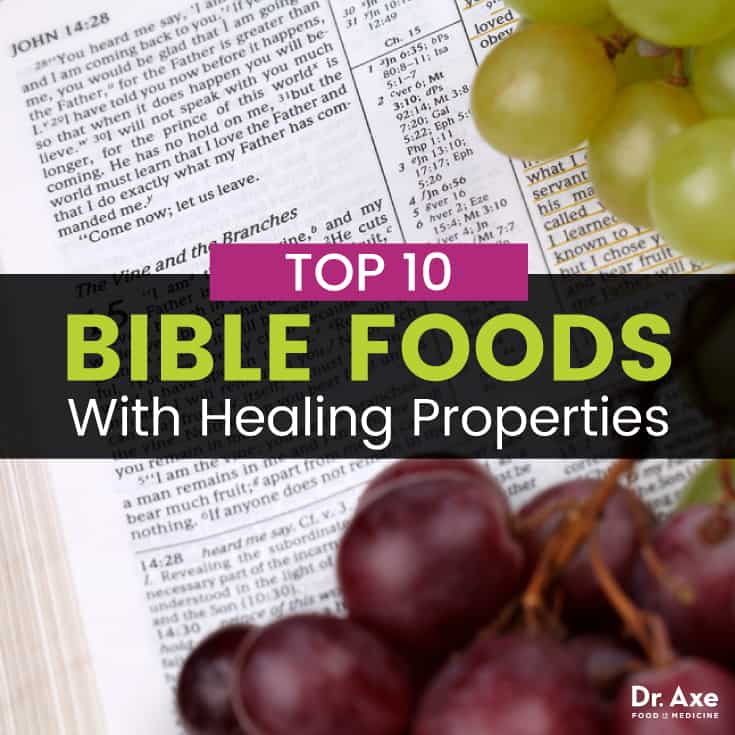
Top 10 Bible Foods that Heal + the Biblical Diet

Dr. Josh Axe, DNM, DC, CNS, (born 1981) is a doctor of natural medicine and is a chiropractic physician and clinical nutritionist with a passion to help people get healthy. He operates one of the world's largest natural health websites at www.DrAxe.com, and he has published extensively - for blogs, health articles and even several books:


The following article, Top 10 Bible Foods that Heal + Biblical Diet, was also written by him.

November 4, 2017

Whether you eat, drink or whatever you do, do all for the glory of God. ~ 1 Corinthians 10:31
All throughout the Bible, references are made to the medicinal properties of foods and herbs. Representing health and longevity from Almighty God, the importance of diet and of preparing and eating food was oftentimes seen as a spiritual act. If you want to consume some of the most common foods mentioned for their health properties in the Bible, then you’ll want to try these top 10 healing Bible foods.

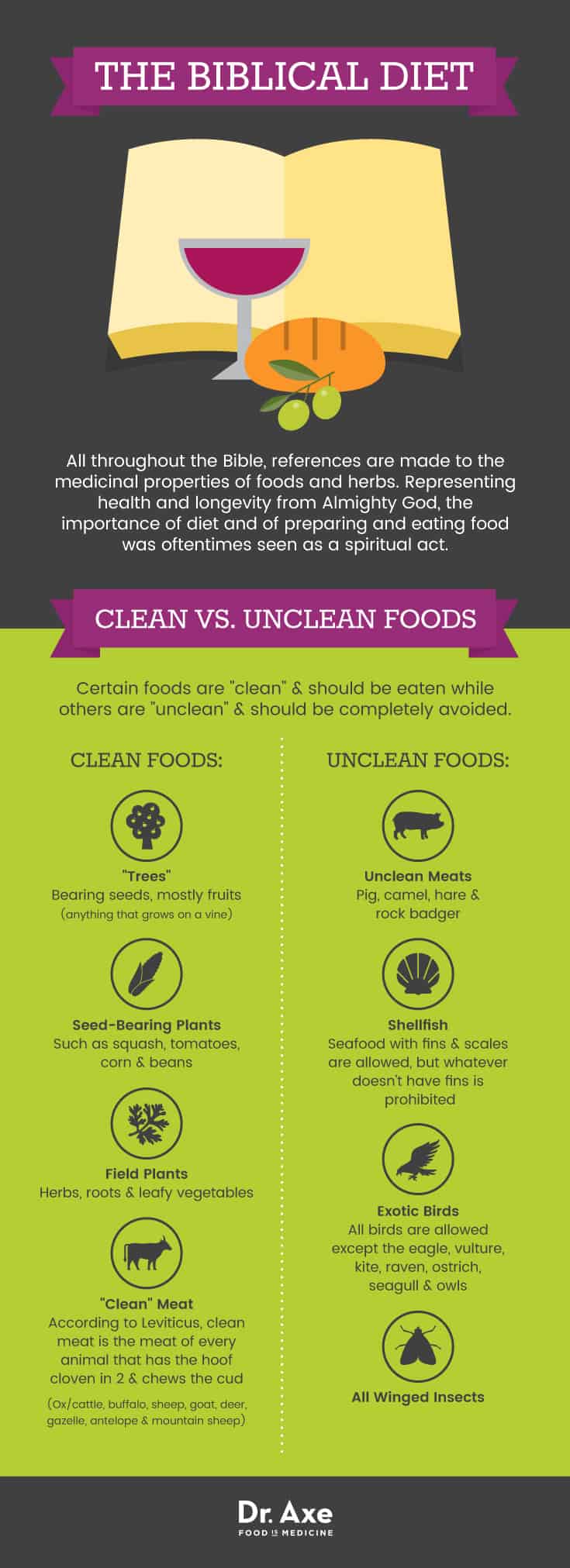
But first, let’s look at what foods the Bible considers clean vs. unclean. Of course, all of the healing foods land in the clean category.

What Are Clean and Unclean Foods?

When you go on the Bible diet, there are only certain kinds of food that you can eat. Certain foods are “clean” and should be eaten while others are “unclean” and should be completely avoided.

Acceptable Biblical foods:
Trees whose edible yield is bearing seeds or is seed — To put it simply, this kind of food is mostly fruits. All fruits are acceptable in the Biblical diet, just as long as they come from seeds. Fruits from fruit trees are okay to eat, as well as anything that grows on a vine, a shrub or anything with a woody bark tissue. (1
Plants whose edible yield is bearing seeds or is seeds — This classification refers to anything that may grow on plants that are not necessarily trees. Examples of seed-bearing plants include squash, tomatoes, corn and beans. (2
Field plants — Field plants or “plants of the field” are the next thing on the list, which can consist of herbs, roots and green, leafy vegetables. (3
Clean meat — Now this one’s a little detailed because the definition of clean meat is pretty complex. According to Leviticus, clean meat is defined as the meat of every animal that has the hoof cloven in two and chews the cud. (4) Examples of clean meat include the ox (cattle), buffalo, sheep, goat, deer, gazelle, antelope and mountain sheep, just to name a few. Examples of unclean meat include pig, camel, hare and rock badger. The Bible also instructs us not to eat the blood of animals or to eat any meat that has been sacrificed to idols. (5)
As for seafood, everything with fins and scales are allowed, but whatever doesn’t have fins such as shellfish is prohibited. For birds, everything is allowed except eagles, vultures, kites, ravens, ostriches, seagulls and owls. It is also noted that all winged insects are considered unclean. (6)

Top 10 Bible Foods with Healing Properties

1. Olives and Olive Oil — Then it shall come about when the Lord your God brings you into the land which He swore to your fathers, Abraham, Isaac and Jacob, to give you, great and splendid cities which you did not build, and houses full of all good things which you did not fill, and hewn cisterns which you did not dig, vineyards and olive trees which you did not plant, and you eat and are satisfied. (Deuteronomy 6:10-11)

The Jews were the elite olive merchants of their day. During antiquity, this precious commodity was used for its healing capabilities, for cooking, to light lamps, for soaps, for cosmetics and even for currency. Olive oil was considered so sacred to ancient culture that it was even used to anoint kings and priests. Hence, the Hebrew for Messiah, Moshiach, meaning “anointed one!”

Research has been conducted that proves regular consumption of olives and olive oil contributes to heart, brain, skin and joint health. They have even been linked to cancer and diabetes prevention. (7) Needless to say, this sacred foodstuff has lived up to its ancient reputation!

2. Pomegranate — For the Lord your God is bringing you into a good land, a land of brooks of water, of fountains and springs, flowing forth in valleys and hills; a land of wheat and barley, of vines and fig trees and pomegranates, a land of olive oil and honey. (Deuteronomy 8:7-8)

Tasty, messy and just recently gaining ground in the American market these past few years, several research studies have shown that pomegranates contain strong anti-inflammatory, anti-oxidant, anti-obesity and anti-tumor properties. According to researchers, “Many beneficial effects are related to the presence of ellagic acid, flavonoids, anthocyanins, and flavones, which seem to be its most therapeutically beneficial components.” Subsequently, pomegranates are being considered valid treatment options for chronic diseases such as cancer, insulin resistance, intestinal inflammation and obesity. (8)

3. Fermented Grapes — May he kiss me with the kisses of his mouth! For your love is better than wine. (Song of Solomon 1:2)

I can’t make a list of top Bible foods without including grapes. Several epidemiological studies have shown that moderate alcohol intake, particularly drinking red wine, may lower the risk of cardiac mortality due to atherosclerosis. (9) The general recommendation is no more than one (five ounces) of red wine per day except for men under the age of 65 who may be able to have two drinks per day. (10)

When grape juice is fermented, natural anti-oxidant and flavonoid properties are exemplified through a substance called resveratrol. Consequently, researchers have focused much of their attention on evaluating the health benefits of resveratrol in recent years, which has been linked to chronic disease prevention and treatment including diabetes and obesity. (11)

4. Flax — An excellent wife, who can find? For her worth is far above jewels … She looks for wool and flax and works with her hands in delight. (Proverbs 31:10,13)

One of the most important plant fibers in the Bible, flax has been used to make linen for as long as recorded history. Although it has been widely replaced by cotton in recent years, flax remains one of the most important fiber plants in the world and one of the top Bible foods.

Having a rich history of medicinal use dating back to Babylon in 3000 B.C., flax seeds have been wholeheartedly embraced by natural health and medical circles alike because it provides a natural, vegan source of omega-3 essential fatty acids, lignans and fiber. Subsequently, research show that flax seeds may be able to help fight against cancer, lung disease and heart disease. (12)

5. Sprouted Grain Bread — Take wheat and barley, beans and lentils, millet and spelt; put them in a storage jar and use them to make bread for yourself. (Ezekiel 4:9).

In the Book of Ezekiel, God gave the prophet Ezekiel a recipe for what has proven to be the perfect bread as science has recently shown us that it creates the “complete protein,” one that contains all essential amino acids. The main reason that Ezekiel bread is healthier than other breads is because the grains and legumes are soaked and sprouted, which makes them easier to digest — and as a result, is the only bread to make this list of top Bible foods.

Harvesting “sprouted grains” happens right after the seed has started to sprout, but before it has developed into a full-grown plant. During this critical growth state, the young shoot digests a portion of the starch to fuel its growth. Subsequently, because the grain’s starch has been utilized, the level of vital nutrients — including proteins, vitamins and minerals — are enhanced. Additionally, research studies have suggested that iron and zinc actually become more “bioavailable,” (i.e. more easily absorbed) after sprouting. (13)


6. Raw Goat Milk — The lambs will be for your clothing and the goats will bring the price of a field. There will be goats’ milk enough for your food, for the food of your household, and sustenance for your maidens. (Proverbs 27:26-27)

Raw milk is filled with the vitamins and minerals that contribute to a healthy dental fluid flow and help maintain strong teeth. Loaded with calcium, vitamin K2, magnesium, phosphorus and fat-soluble vitamins, researchers have carried out a comparative study on the properties of cows’ milk compared to those of goats’ milk and have discovered that goats’ milk may be even more beneficial.

Unlike cows’ milk, scientists from the University of Granada has revealed that data concerning goats’ milk suggests that it could prevent diseases such as anemia and bone demineralization. Additionally, goats’ milk has properties that help with the digestive and metabolic utilization of minerals such as iron, calcium, phosphorus and magnesium. (14)

7. Lamb — Now you shall eat it [the unblemished lamb] in this manner: with your loins girded, your sandals on your feet, and your staff in your hand; and you shall eat it in haste — it is the Lord’s Passover. (Exodus 12:11)

Due to the significance of the Passover Lamb and equating that role to Christ, lambs are the most revered animal in history, and the most honored food in the Bible (and the only meat earning a spot in the top 10 Bible foods). Lamb is the meat of young sheep that are generally one year old or younger. Due to slaughtering the animal at such a young age, the marble fat content is considerably lower than older varieties of meat, which contributes to heart health and helps prevent again obesity. Rich in protein, vitamin B12, vitamin B6, niacin, zinc and other vital nutrients, it is arguably the healthiest red meat on the planet. (15)

On a side note, make sure to purchase local, organic, grass-fed varieties when possible. Grain-fed factory farmed animals are loaded with genetically modified corn feed, countless additives and are simply not worth the risk.

8. Bitter Herbs* (coriander and parsley) — They shall eat the flesh that same night, roasted with fire, and they shall eat it with unleavened bread and bitter herbs. (Exodus 12:8)

Scholars are not in complete agreement which plants the authors of Bible were referring to when writing about “bitter herbs,” but coriander and parsley generally make the list.

Coriander is the seed of the powerful anti-oxidant and natural cleansing agent cilantro. Traditional medicine has long used and labeled coriander as an anti-diabetic plant and scientific research confirms its helpful effects on blood sugar. Coriander also appears to be helpful for high blood pressure and heavy metal detoxification amongst other positive health effects. (16)

Parsley is another health-promoting herb and a rich source of several crucial vitamins, including vitamin A, vitamin C and potassium. (17)

9. Vegetables — Please test your servants for ten days, and let us be given some vegetables to eat and water to drink. (Daniel 1:12)

Instead of eating the tasty dainties of the Babylonians, Daniel and his friends requested to live on a vegetarian diet. When it was time for them to be presented to the king, Nebuchadnezzar and all of the leaders were astounded to see that the four young Jewish friends were more fit and looked better than the other young men who ate the Babylonian fare. Often referred to as the Daniel diet or the Daniel fast, history and biblical text actually support that Daniel continued his vegetarian lifestyle throughout his entire life.

Of all the food groups, vegetables are arguably the most nutrient-dense and safest to eat. There’s relatively no risk in consuming too many of them; whereas, if you eat fruit all day, you run the risk of spiking your blood sugar or developing dental caries because of the excess sugar.

Vegetables are so effective at healing that, according to the National Cancer Institute, cruciferous veggies (broccoli, cabbage, collards, kale, radish etc.) can help prevent cancer because they are rich in glucosinolates – a large group of sulfur-containing glucosides. Known to break down during chewing and digestion, these powerhouse chemicals can slow down and even reverse cancer cells growth. Additionally, it has also been reported that glucosinolates can treat the following health concerns: (18)
  • Inflammation
  • Bacterial and viral infections
  • Carcinogenic toxicity
  • Tumor angiogenesis (blood vessel formation)
  • Tumor metastasis (tumor migration)
10. Raw Honey — Have you found honey? Eat only what you need that you not have it in excess and vomit it. (Proverbs 25:16)

It’s no wonder raw honey is referred to as “liquid gold.” The medicinal applications to the skin and internal body seem limitless. First of all, raw honey is loaded with key nutrients. Research has also shown that honey contains the disease-fighting antioxidant flavonoids like pinostrobin, pinocembrin and chrysin. (19)

In addition to being a fantastic replacement to energy drinks for athletes and people needing a little boost, raw honey also supports the growth of probiotics in gastrointestinal tract including (Bifidobacteria). (20) Another fascinating quality of honey is its ability to improve allergy symptoms. (21) However, be sure to purchase the local variety, as it will contain indigenous pollen species unlike generic store-bought brands.

Recommendations and Benefits of a Biblical Diet

Is it possible to lose weight by following the Bible’s teachings on food and eating? Founder of the Bible Diet, author of The Maker’s Diet and motivational speaker Jordan S. Rubin believes so! According to him, the Bible Diet is heavily influenced based on the teachings from the books of Leviticus and Deuteronomy and the only food considered acceptable or clean is the only kind that should be eaten.

Recommendations from The Makers Diet

The four classifications of food (trees that yield seed, plants that yield seed, field plants, clean meat) is the foundation of a Biblical diet. There are also other important things you should consider when starting or following a Biblical diet:
Water, sunshine and exercise. These three are absolutely key to good health. You should always remember to drink lots of water, get lots of exercise and go outside. I recommend one quart water daily for every 50 pounds of weight. Also, it’s important to drink high quality water
Eat safe, clean meat. This means abstaining from certain kinds of meat and seafood such as pork, lobster, clams and mussels, shrimp and catfish. 
Eat foods that are in season. The Bible states that everything has a season. This should also be our attitude when it comes to picking out the things we eat. Lean towards eating fruits, vegetables and herbs that are in season, as they’re fresher and better for your health. 
Eating raw. Eating uncooked raw food is very much encouraged. Some vegetables may need to be cooked, but a majority of them can be enjoyed raw. 
Unprocessed real whole foods. What you eat should ideally be consumed in the way that it was found in nature. This means that we should stay away from preservatives, processed foods, or those produced with lots of contact with hormones, fertilizers and pesticides.
Benefits of Following a Biblical Diet

All these food restrictions may seem like a whole lot of sacrifice, but what about the rewards. According to Rubin, those who go on the Biblical diets and eat Bible foods can look forward to the following benefits:

Weight loss

A diet high in unprocessed food, fruit and vegetables is ideal for weight loss. Natural and raw fruits and vegetables carry fewer calories and are easier to digest then other processed foods.

A longer lifespan 

Rubin claims that some of our ancestors that went on the Biblical diet went on to live for 120+ years. Although we may not reach that age, studies show that a diet high in fruits and vegetables lead to little or no health complications, thus indicating a longer lifespan.

Energy and improved mood 

When our bodies are in a state of imbalance due to poor dietary habits, we immediately feel it. We can feel sickly, sluggish and depressed. Eating right can increase energy, balance hormones and improve our mood.

Final Thoughts

Who would have thought that you could get nutritional advice in the Bible, huh? At the end of the day, if it were good enough for people back then to eat, I think it’s probably good for us today. So much of what the Bible lays out so clearly for how we should eat also makes a lot of sense when you look at scientific research. A Biblical diet is filled with healing foods that promote a well-rounded diet and so many awesome health benefits.


_____________________________________________________________________________

*Hyssop, not commonly used today, is also referred to in the Bible as a bitter herb. [It's very, very bitter, and when my brothers and I were babies, my mom had extreme ulcerative colitis, something doctors said was incurable at the time. We were babies, and she knew she had to overcome her problem for our sake, so she went to a health food store (Harvest Health in Grand Rapids, MI) and someone there recommended she drink hyssop tea. She did, every day and throughout the day, and ate the blandest diet, e.g. boiled green beans, boiled potatoes with no butter or salt. After a year she was able to gradually add foods, and eventually because of the tea and her bland diet, she could overcome her problem! A careful, thoughtful diet does cure! Praise God!] - CM

Saturday, May 18, 2019

Sensitive Stomach

What’s a sensitive stomach?

The term “sensitive stomach” is a non-medical way to describe a stomach that’s easily upset. People with a sensitive stomach may experience recurring gas, bloating, nausea, vomiting, constipation, or diarrhea.

Someone who has a sensitive stomach might connect their sensitivity to certain foods or situations. Others might experience discomfort or digestive disruptions without being sure of the cause.

At some point, everyone experiences stomach upset. But if you regularly deal with discomfort, indigestion, or changing bowel habits, you may have a sensitive stomach.


What causes a sensitive stomach?

Some people with chronic stomach discomfort are more sensitive to certain foods — like dairy, spicy foods, alcohol, or fried foods. Others may find that they have food intolerances which, unlike food allergies, are not life-threatening sensitivities.

Unlike those with food allergies, people with food intolerances may be able to tolerate small amounts of the foods in question. People with a dairy sensitivity can take enzymes that help them digest lactose.


Irritable bowel syndrome

Sometimes, people who experience frequent stomach issues have something more going on than just sensitivity. Irritable bowel syndrome (IBS) is one common culprit behind ongoing stomach trouble.

While its signature symptoms are similar to those of a sensitive stomach, chronic bowel pain is usually involved with IBS. This is due to inflammation in the intestines that tends to be made worse by certain foods.

IBS prevents your stomach and intestines from functioning optimally. Some people with IBS have chronic constipation, while others experience ongoing diarrhea. IBS affects the mobility of the contents of your intestines. This causes:
  • changes in bowel habits
  • trapped gas
  • abdominal pain
Women tend to be diagnosed with IBS more often than men. Women who have had surgeries like C-sections or hysterectomies may be more prone to IBS than others.


Inflammatory bowel disease

If your symptoms are severe, your doctor may perform tests to diagnose you with an inflammatory bowel disease (IBD) like ulcerative colitis or Crohn’s disease, severe conditions that require prescription anti-inflammatory and immunosuppressive drugs.

These therapies may also be supplemented with medications to regulate bowel movements, stop diarrhea, prevent infection, and manage pain. Iron supplements might also be prescribed if you have chronic intestinal bleeding.


Further reading: "If Digestion Takes So Long, Why Does Diarrhea Travel So Quickly Through The Body?"


What are the symptoms of a sensitive stomach?

Most symptoms of a sensitive stomach can easily be treated at home. These include:
  • intestinal gas
  • bloating
  • indigestion
  • heartburn
  • acid reflux
  • nausea
  • vomiting
  • occasional abdominal pain
  • constipation
  • diarrhea
But if you have the following severe symptoms, contact your doctor immediately:
  • chronic or severe abdominal pain that makes it difficult for you to do your normal activities
  • blood or pus in your stool
  • severe, ongoing diarrhea that lasts for more than two days
  • nighttime diarrhea that keeps you from sleeping
  • unexplained fever
  • allergic reaction (hives, swelling, itching, etc.)
These symptoms may signal a serious condition. Your doctor will perform testing to determine the cause of your symptoms and diagnose the issue.


How to treat a sensitive stomach

Because there are many things that can upset a sensitive stomach, it can take time to pinpoint and solve the problem. Here are some remedies you can try at home to alleviate your discomfort.

Eat smaller portions
  • Filling your stomach too much can make you gassy and give you indigestion. Try reducing the amount of food you put on your plate at each meal.
  • Eating five or six small meals per day may also be more comfortable for your stomach than eating three large meals.
Eat more slowly
  • Eating too quickly can also give you unpleasant trapped gas and indigestion. Make sure your food is well-chewed before you swallow, since digestion starts long before the food reaches your stomach.
Eliminate potentially irritating foods
Foods that can irritate a sensitive stomach include:
  • dairy
  • spicy foods
  • processed foods
  • oily or fried foods
  • alcohol
  • gluten
It might take a little trial and error, but identifying and eliminating foods you’re sensitive to will go a long way. If you already suspect what foods might be triggers for your sensitivity, it can be helpful to find substitute foods or foods that are similar in texture or taste. 
And if your stomach is especially sensitive, you might decide to eliminate all possible triggers to begin with to relieve your symptoms. If you choose to reintroduce these triggers one at a time later, you’ll be able to identify the problematic food.
Drink more water
If you don’t drink enough water every day, you might be chronically dehydrated without realizing it. Inadequate water intake can cause problems with digestion and elimination. 
If you don’t have enough water in your body, your colon can’t pull enough water in for proper bowel movements. In other words, if you don’t drink enough, you could end up constipated.
Lower your caffeine intake
Caffeine can be a stomach irritant. If you consume high amounts every day, lowering your caffeine intake could soothe your stomach. 
You might also consider changing the time of day when you drink caffeine to see if that helps. If caffeine is the main culprit, you may want to gradually eliminate it from your diet.
Reduce your stress
Chronic stress can lead to an upset stomach. If you aren’t able to pinpoint irritating foods, it might be that stress is triggering your discomfort. Consider adding a stress-relieving practice to your routine, like meditation or yoga.

Tips and Treatments 

Foods that tend to be soothing to people with sensitive stomachs include:
  • cooked fruits and vegetables
  • lean protein
  • easily digestible grains
  • fat-free or low-fat dairy
Your doctor may also recommend a short-term, low-fiber diet to ease your discomfort.
If you’re diagnosed with one or more food intolerances, your doctor will recommend you eliminate the food or foods in question. If you are diagnosed with an autoimmune condition like celiac disease, you’ll have to go on a gluten-free diet to manage your symptoms. 
If your doctor diagnoses you with a food allergy, you may be prescribed an epinephrine auto-injector. You’ll need to strictly avoid your allergens, as even a small exposure could cause you to have a life-threatening anaphylactic reaction
Even if you’ve only had small allergic reactions in the past, the next one could be severe or deadly.

What’s the outlook for a sensitive stomach?

Most people with sensitive stomachs can successfully manage their symptoms at home through dietary and lifestyle adjustments.

Sometimes, though, stomach discomfort can indicate a more serious condition like IBS, IBD, celiac disease, Crohn’s disease, or ulcerative colitis.

If you are concerned about any of the symptoms you’re experiencing, contact your doctor.


Sunday, December 16, 2018

Gluten-Related Neurological Symptoms and Conditions

There's no question that gluten can affect your neurological system: people with both celiac disease and non-celiac gluten sensitivity report symptoms that range from headaches and brain fog to peripheral neuropathy (tingling in your extremities).
Neurological illnesses such as epilepsy, depression, and anxiety also are common in those who react to gluten. In addition, a serious autoimmune condition called gluten ataxia affects a small number of people.
Finally, there are some hints that conditions such as schizophrenia and bipolar disorder also may be affected by gluten intake in a few individuals. However, it's not yet clear from the research who might be affected, and whether a gluten-free diet can help some people.
Here's a rundown of the neurological conditions impacted by gluten.


Depression, Anxiety Lead the List
Research shows that people with celiac disease suffer from much higher-than-average rates of depression and anxiety. In fact, one study found that about one-third or more of celiacs suffer from depression, and 17% may have an anxiety disorder.
People who test negative for celiac disease but who have been diagnosed with gluten sensitivity also report higher levels of depression and anxiety, although the links between the conditions are less clear because they haven't been studied.
It's not clear why gluten ingestion leads to these two neurological conditions.
Researchers have speculated that gluten-related intestinal damage might lead to nutritional deficiencies that cause depression and anxiety in people with celiac disease (deficits in certain B vitamins can cause some symptoms). However, that wouldn't explain why people with non-celiac gluten sensitivity (who don't get intestinal damage from gluten) also suffer from those two mental conditions.
Some gluten sensitivity experts — notably, New Zealand pediatrician Dr. Rodney Ford — have hypothesized that gluten affects your brain directly to cause these conditions, but this theory hasn't been proven. Regardless, you're far from alone if you experience depression and anxiety from gluten.

Insomnia, Brain Fog, ADHD Are Also Commonplace

Many people with celiac disease and gluten sensitivity can tell quickly when they've accidentally been glutened: their brains cloud up and they feel less effective, even stupid and clumsy. This phenomenon, known as brain fog, hasn't been studied, but it's another extremely common symptom for both celiac and gluten sensitivity.
Attention deficit-hyperactivity disorder is another frequent complaint, in both adults and children — those of us who have kids with gluten problems can attest that school performance is much better when their diets are free of gluten!
Headaches? Yes, absolutely. In fact, migraines are commonly mentioned as both celiac disease symptoms and gluten sensitivity symptoms — up to one-third report experiencing this sometimes debilitating headache pain.
Finally, getting a good night's sleep may depend on whether you can steer clear of gluten-containing foods — insomnia and sleep problems seem to crop up in regularity in many of us.
You can learn more on brain fog, ADHD, migraine and sleep problems:

Peripheral Neuropathy Also Common; Epilepsy, Vertigo Reported

Gluten also may affect whether your nerves and balance system function properly.
People who have celiac disease or gluten sensitivity suffer from high levels of peripheral neuropathy, which causes a tingling or "pins-and-needles" sensation in your feet and fingers. The sensation stems from damage to the nerves in your extremities, and the condition may improve once you go gluten-free.
Epilepsy, meanwhile, results when your neurons fire incorrectly, leading to seizures and potentially even unconsciousness. Celiac disease also has been associated with a rare constellation of epilepsy and bilateral occipital calcifications.
Finally, vertigo — or a sensation of dizziness and spinning — occurs due to a malfunction in the balance system housed in your inner ear. There are only two studies potentially linking Meniere's disease (a form of vertigo) with celiac disease, but anecdotal complaints of vertigo are frequent among celiacs.

Serious Psychiatric Illnesses Such as Schizophrenia and Bipolar

There have been many reports suggesting gluten could be implicated in two very serious psychiatric conditions: bipolar disorder and schizophrenia.
In bipolar disorder, there are a few studies that indicate people with celiac or gluten sensitivity may suffer from higher rates of the mental condition. There's also an intriguing study that looked at levels of antibodies to gluten in the bloodstream of people with bipolar and found high levels in those in the midst of a manic episode.
In schizophrenia, meanwhile, there have been decades of speculation that eliminating bread from the diet of schizophrenics (which of course would eliminate gluten) can help. However, there's little solid evidence for this and no indication of which schizophrenia patients might benefit. Most psychiatrists believe the percentage of people who might see an improvement in their schizophrenia symptoms while eating gluten-free is very small.

Gluten Ataxia Is Autoimmune Brain Damage

When gluten consumption causes your body to attack its own tissues, you suffer from a gluten-induced autoimmune condition. There are three of these: celiac disease (damage to the small intestine), dermatitis herpetiformis (damage to the skin), and gluten ataxia (damage to the brain).
When you have gluten ataxia, your immune system attacks your cerebellum, the part of your brain responsible for coordination. In many cases, the damage is irreversible, although a strict gluten-free diet can halt the progression of the condition.
Gluten ataxia is a relatively newly-recognized condition, and not all physicians agree it exists. In addition, the number of people who have it is thought to be very small. However, many more people with celiac or gluten sensitivity suffer from symptoms similar to those seen in gluten ataxia.

The Gluten-Free Diet May Help Your Neurological Symptoms

There's no question that celiac disease and gluten sensitivity can lead to a wide array of neurological problems and conditions. However, in most cases, you can reduce or even resolve your gluten-related neurological symptoms by following a strict gluten-free diet.
______________________________________________________________
This article from Gluten-Related Neurological Symptoms and Conditions
By Jane Anderson | Reviewed by Emmy Ludwig, MD
Updated September 01, 2017
and published via VeryWell

Wednesday, September 12, 2018

Gluten Ataxia: A Rare Autoimmune Condition Affecting the Brain

Gluten ataxia, a rare neurological autoimmune condition involving your body's reaction to the gluten protein found in wheat, barley, and rye, can irreversibly damage the part of your brain called the cerebellum, according to practitioners who first identified the condition about a decade ago.

This damage potentially can cause problems with your gait and with your gross motor skills, resulting in loss of coordination and possibly leading to significant, progressive disability in some cases.

However, because gluten ataxia is so relatively new, and not all physicians agree that it exists, there's as of yet no accepted way to test for it or to diagnose it.

But that may be changing: a group of top researchers in the field of celiac disease and non-celiac gluten sensitivity has issued a consensus statement on how practitioners can diagnose all gluten-related conditions, including gluten ataxia.


In Gluten Ataxia, Antibodies Attack the Cerebellum

When you have gluten ataxia, the antibodies your body produces in response to gluten ingestion mistakenly attack your cerebellum, the part of your brain responsible for balance, motor control, and muscle tone. The condition is autoimmune in nature, which means it involves a mistaken attack by your own disease-fighting white blood cells, spurred on by gluten ingestion, as opposed to a direct attack on the brain by the gluten protein itself.

Left unchecked, this autoimmune attack usually progresses slowly, but the resulting problems in balance and motor control eventually are irreversible due to brain damage.

Up to 60% of patients with gluten ataxia have evidence of cerebellar atrophy—literally, shrinkage of that part of their brains—when examined with magnetic resonance imaging (MRI) technology. In some people, an MRI also will reveal bright white spots on the brain that indicate damage.

How Many People Suffer From Gluten Ataxia?

Because gluten ataxia is such a newly-defined condition and not all physicians accept it as of yet, it's not clear how many people might suffer from it.

Dr. Marios Hadjivassiliou, a consultant neurologist at Sheffield Teaching Hospitals in the United Kingdom and the neurologist who first described gluten ataxia, says as many as 41% of all people with ataxia with no known cause might, in fact, have gluten ataxia. Other estimates have placed those figures lower — somewhere in the range of 11.5% to 36%.

Since ataxia itself is a rare condition—affecting only 8.4 people out of every 100,000 in the U.S.—that means fewer still actually have gluten ataxia. Estimates are much higher for the number of people with celiac disease and gluten sensitivity who have neurological symptoms.

Gluten Ataxia: Gluten-Induced Neurological Problems

Gluten ataxia symptoms are indistinguishable from symptoms of other forms of ataxia. If you have gluten ataxia, your symptoms may start out as mild balance problems—you might be unsteady on your feet, or have trouble moving your legs.

As symptoms progress, some people say they walk or even talk as if they're drunk. As the autoimmune damage to your cerebellum progresses, your eyes likely will become involved, potentially moving back and forth rapidly and involuntarily.

In addition, your fine motor skills may suffer, making it more difficult for you to work writing instruments, zip zippers, or to manipulate buttons on your clothing.

Diagnosis Not Straightforward for Gluten Ataxia

Since not all physicians accept gluten ataxia as a valid diagnosis, not all doctors will test you for the condition if you show symptoms. In addition, experts in the field of gluten-induced disease only recently have developed a consensus on how to test for gluten ataxia.

Gluten ataxia diagnosis involves the use of specific celiac disease blood tests, although not the tests that are considered the most accurate to test for celiac disease. If any of those tests shows a positive result, then the physician should prescribe a strict gluten-free diet.

If ataxia symptoms stabilize or improve the diet, then it's considered a strong indication that the ataxia was gluten-induced, according to the consensus statement.

Gluten Ataxia Treatment Involves Strict Gluten-Free Diet

If you're diagnosed with gluten ataxia, you need to follow a very strict gluten-free diet with absolutely no cheating, according to Dr. Hadjivassiliou.

There's a reason for this: the neurological symptoms spurred by gluten ingestion seem to take longer to improve than the gastrointestinal symptoms, and seem to be more sensitive to ​lower amounts of trace gluten in your diet, Dr. Hadjivassiliou says. Therefore, it's possible that you might be doing more damage to yourself if you continue to ingest small amounts of gluten.

Of course, not all physicians agree with this assessment, or even necessarily with the advice to eat gluten-free if you have otherwise unexplained ataxia and high levels of gluten antibodies. However, it does seem to be backed up by anecdotal reports from people with diagnosed gluten ataxia and from people with severe neurological problems associated with celiac disease: Those people say the neurological symptoms take much longer to resolve; while some stabilize but never improve.


A Word from Verywell

The number of potential gluten ataxia sufferers is very small when compared with the numbers of people with celiac disease, and it's also small when compared with estimates for how many people have gluten sensitivity.

However, many people with celiac disease and gluten sensitivity also suffer from neurological symptoms, which often include gluten-related peripheral neuropathy and migraine. Some also complain of balance problems that do seem to resolve once they go gluten-free.

It's possible that, as more studies are conducted on gluten ataxia, researchers will find even stronger links between that condition, celiac disease, and gluten sensitivity. In the meantime, if you have symptoms similar to those of gluten ataxia, talk to your doctor. You may require testing to determine if you have another condition that can cause similar symptoms.

__________________________________________________________________________

Sources:

Fasano A. et al. Spectrum of gluten-related disorders: consensus on new nomenclature and classification. BMC Medicine. BMC Medicine 2012, 10:13 doi:10.1186/1741-7015-10-13. Published: 7 February 2012

Hadjivassiliou M. et al. Dietary Treatment of Gluten Ataxia. Journal of Neurology, Neurosurgery and Psychiatry. 2003;74:1221-1224.

Hadjivassiliou M. et al. Gluten ataxia in perspective: epidemiology, genetic susceptibility and clinical characteristics. Brain. 2003 Mar;126(Pt 3):685-91.

Hadjivassiliou M. et al. Gluten Ataxia. The Cerebellum. 2008;7(3):494-8.

Rashtak S. et al. Serology of celiac disease in gluten-sensitive ataxia or neuropathy: role of deamidated gliadin antibody. Journal of Neuroimmunology. 2011 Jan;230(1-2):130-4. Epub 2010 Nov 6.