Showing posts with label diabetes. Show all posts

Thursday, November 14, 2019

Sugar-free Foods: Healthy or Not?


They’re marketed as healthy and low-calorie alternatives to your favorite sugary treats, but are sugar-free foods actually better for you?
 
They’re marketed as healthier, lower-calorie alternatives to your favorite sugary treats, but are sugar-free foods actually better for you? Well...maybe and maybe not. We've got the details on the good and bad of sugar-free foods.

What’s Replacing Sugar?
 
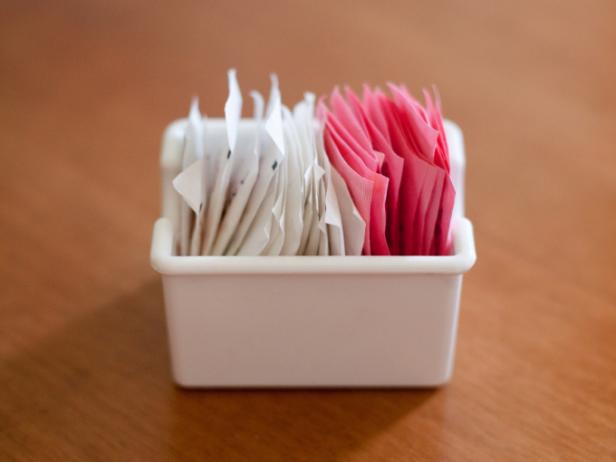
Some artificial sweeteners are calorie-free, while others come along with a small amount of calories per serving (but those calories can add up if you eat them often). The most popular sweeteners are still those blue, pink and yellow packets, along with the newest sweetener on the block called stevia. When used as food additives, you’ll see them on ingredient lists as aspartame, saccharin, sucralose and rebiana.

No matter which type you choose, all faux sweeteners are hundreds of times sweeter than sugar. Despite claims that they’re made from sugar or come from a natural plant source, all have undergone some type of chemical process before they reach your lips. Though research is limited, eating too much of these types of chemically treated sugars has been linked to adverse side effects including stomach upset, blood sugar control issues and increased risk of some types of cancer. Some research also suggests that eating excessive amounts of chemically-sweetened foods will entice the brain to want sugary (and typically less healthy) foods more often – not helpful for the quality of your diet or your waistline.

Read more about the specific dangers associated with popular artificial sweeteners and stevia.

Endless Options
 
Once only used in a limited number of foods, artificial sweeteners are now lurking in everything from diet sodas and juices to cookies and salad dressings. Manufacturers of light ice creams, low-cal yogurts and diet fruit juices often use artificial sweeteners along with added sugars to cut down on calories. So just because something isn’t labeled “sugar-free” doesn’t mean it won’t contain fake sweeteners.

To confuse things ever further, many foods that do use artificial sweeteners exclusively aren’t always lower in fat or calories than their sugar-containing counterparts. Some brands of sugar-free frozen treats, candies and cookies have very similar calorie counts despite their lack of sugar.

Special Needs
 
There is a time and a place for artificial sweeteners. Artificial sweeteners allow for some additional options for those that suffer from diabetes or folks trying to cut back on sugary food overload. But option for sugar-free alternatives shouldn’t be viewed as a free pass to eat sugar-free fare day in and day out for the reasons mentioned above.

Bottom Line: At 15 calories per teaspoon, a small amount of regular sugar here and there can be worked into anyone’s healthy diet. If you do choose to use artificial sweeteners to help with diabetes, weight management and calorie control, do so in moderation and check ingredient lists -- your intake of artificial sweeteners may be more substantial than you think.

TELL US: What’s your take on the faux sugars? 
 
Dana Angelo White, MS, RD, ATC, is a registered dietitian, certified athletic trainer and owner of Dana White Nutrition, Inc., which specializes in culinary and sports nutrition. See Dana's full bio »

You Might Also Like:

Wednesday, October 17, 2018

Naturopathic Medicine (Seoul, S Korea)

A few hours ago I came across a file that a Naturopathic Medical physician sent to me four or five years ago. I had gone to him for a discounted initial visit because my systemic candida just adamantly refused to get better despite all the strict diet I was implementing. I liked how knowledgeable Dr Sunjae Lee was, but my biggest problems centered around food. My body was so picky and would react to so many things, and Dr Lee listened but when he offered dietary suggestions, I was already doing them (note my super strict systemic candida diet), and so I didn't do follow-up. However, Dr Lee did share with me follow-up suggestions and this very informative PowerPoint on Homeopathic Medicine. It's very good and he would want others to have the information, and to give him a call if they had questions, so I share his info:


Friday, June 15, 2018

The Nutrition of Sprouts

Sprouts are truly a miracle food! They have 10 - 30 times more concentrated nutrients than even the best vegetables. Imagine the plant in its youth before the ravages of age have caused it to age and decrease in nutritional value. In its youth, in fact, in its first seven or so days of its sprouting, the seed has all the nutrients it needs to survive for those few days. All it needs is water and the right temperature with sunlight to help it grow. Otherwise, the plant is self-sustained. Now imagine yourself eating this powerful load of nutrients rather than the fruit of the plant in its older age or eating the food that has its nutrition steamed, fried or baked out of it. This perspective really makes one realize the power of sprouts! Those small sprouts have more nutrition than their harvested fruit or veggie parents! 
an entry from WHATINSPIRESU blog
Following are a few sprouts and their nutritional benefits:

Adzuki 
  • lowers LDL cholesterol
  • regulates insulin
  • fights breast and colon cancer

Broccoli
  • fights colon, prostate, rectum, esophagus, lung, bladder, and stomach cancer
  • effective for inflammations and hot swellings
  • effective for hangovers
  • best among the sprouts for treating breast cancer: 1 - 2 T a day 

Clover
  • relaxes the nervous system
  • settles the stomach and treats throat and stomach cancer
  • as an excellent expectorant, treats whooping cough
  • promotes fertility

Fenugreek
  • treats blood poisoning, failing eyesight, fevers, palpitations, liver and kidney troubles
  • treats anemia
  • increases mother's milk production (therefore people with breast cancer should avoid)
  • notable as a treatment for diabetes

Lentils
  • lowers LDL cholesterol
  • regulates insulin
  • fights breast and colon cancer

Mung Beans
  • prevents prostate problems, glandular dysfunction
  • breast cancer
  • treats premature balding and graying

Radish
  • cleans the blood
  • as an excellent expectorant, treats whooping cough
  • facilitates digestion

Sunflower
  • excellent source of balanced amino acids for building protein
  • activates every cell in the immune system
  • builds skeletal, muscular and neurological systems

This information was presented at Hippocrates Health Institute. For further studies, the health benefits of 44 different types of sprouts are very well articulated in chapter 11 of the book Lifeforce by Dr. Brian Clement of Hippocrates Health Institute, a raw food lifestyle center. Scientific data about nutritional value in sprouts is published by the USDA in the National Agricultural Library at http://ndb.nal.usda.gov/ndb/foods/list, the USDA Food Composition Database.

Home Sprouting: All You Need to Know

Monday, February 20, 2017

Eat Lots of Sweet Potatoes

A few years back, I received this email on the relationship between food and certain aspects of health. At the time, because of my extreme reactions to anything starchy (sweet potatoes for one), I drooled over being able to eat sweet potatoes again. Well, now I've added them in moderation, and wow do they make me feel better. They're also rich in vitamin A and I have an extreme deficiency in that vitamin because I had to avoid vitamin A rich foods for so long because of reactions. Well, now I'm posting. Eat sweet potatoes ... if you at all can!

EAT LOTS OF SWEET POTATOES 

This is interesting ... old but a good reminder... It's been said that God first separated the salt water from the fresh, made dry land, planted a garden, made animals and fish. He did all of of this before making a human.  He made and provided what we'd need before we were created. He made many kinds of food - fruits, vegetables, grasses and grains, and intended for them to be eaten raw. They are best and more powerful within the body when eaten raw. 

We're such slow learners. God even left visual devices for us to associate certain kinds of foods to benefit certain functions and areas within our bodies.  Many many visual clues! God's Pharmacy! Amazing! 


A sliced carrot looks like the human eye. The pupil, iris and radiating lines look just like the human eye. And, yes, science now shows carrots greatly enhance blood flow to and function of the eyes. 


A tomato has four chambers and is red. The heart has four chambers and is red. All of the research shows tomatoes are loaded with lycopine and are indeed pure heart and blood food. 

Grapes hang in clusters that have the shape of the heart. Each grape looks like a blood cell and all of the research today shows grapes are also profound heart and blood vitalizing food. 

A walnut looks like a little brain, a left and right hemisphere, upper cerebrum and lower cerebellum. Even the wrinkles or folds on the nut are just like the neo-cortex. We now know walnuts help develop more than three dozen neuron-transmitters for brain function. 

Kidney beans actually heal and help maintain kidney function and yes, they look exactly like the
human kidneys. 

Celery, bok choy, rhubarb and many more look just like bones. These foods specifically target bone strength. Bones are 23% sodium and these foods are 23% sodium. If you don't have enough sodium in your diet, the body pulls it from the bones, thus making them weak. These foods replenish the skeletal needs of the body. 

Avocado, eggplant and pears target the health and function of the womb and cervix of the female - they look just like these organs. Today's research shows that when a woman eats one avocado a week, it balances hormones, sheds unwanted birth weight, and prevents cervical cancers. And how profound is this? It takes exactly nine months to grow an avocado from blossom to ripened fruit. There are over 14,000 photolytic chemical constituents of nutrition in each one of these foods. Modern science has only studied and named about 141 of them.

Sweet potatoes look like the pancreas and actually balance the glycemic index of diabetics. There are many kinds and shapes of sweet potatoes and they all have different nutrients but they all provide many essentials for good health.


Figs are full of seeds and hang in pairs when they grow. Figs increase male sperm mobility and increase the numbers of sperm as well as help overcome male sterility and fertility issues.


Oranges, grapefruits, and other citrus fruits look just like the mammary glands of the female and actually assist the health of the breasts and the movement of lymph in and out of the breasts.

Onions look like the body's cells. Today's research shows onions help clear waste materials from all of the body cells. They even produce tears which wash the epithelial layers of the eyes. A working companion, garlic, also helps eliminate waste materials and dangerous free radicals from the body. 

Not only did God create man in His own image (Genesis 1), He designed a whole garden beforehand to feed and nurture His ultimate and last creation. Nothing else was created on the 6th day of creation week, and nothing was created afterwards. God and man rested on the seventh day, enjoying the beauty of the garden and all that God had made. King David marveled at the smallness of human and yet at the great regard that God had for man when He created him: Psalms 8:3-4 (KJV): 
When I consider thy heavens, the work of thy fingers, the moon and the stars, which thou hast ordained; what is man, that thou art mindful of him? and the son of man, that thou visitest him?
While I still can't eat all of these foods that God provided -- e.g. figs are very glycemic -- I'm still blessed to have so many natural resources, the real medicine, to slowly get better. And I've come a very very long way in improving my health because of whole foods, many of them. God's resources has been the secret for my getting better!

Wednesday, February 15, 2017

What Is Osteoporosis


Osteoporosis is characterized by an increase in porosity of the bones and a corresponding decreased bone mass, resulting in an increased risk of fractures of the bones. Osteopenia is a term used to denote bone loss that is not as severe as osteoporosis. Risk factors for osteoporosis include sedentary lifestyle, cigarette smoking, excessive alcohol intake, family history of the disease, and various medical conditions such as: rheumatoid arthritis, celiac disease, hyper thyroidism, diabetes, chronic lung disease, Cushing’s syndrome, and hyper para-thyroidism.


According to the International Osteoporosis Foundation:
  • Worldwide, osteoporosis causes more than 8.9 million fractures annually, resulting in an osteoporotic fracture every three seconds [1].
  • Osteoporosis is estimated to affect 200 million women worldwide – approximately one-tenth of women aged 60, one-fifth of women aged 70, two-fifths of women aged 80, and two-thirds of women aged 90 and above [2].
  • Osteoporosis affects an estimated 75 million people just in Europe, USA, and Japan [3].
  • Worldwide, one-in-three women over age 50 will experience osteoporotic fractures, as will one-in-five men aged over 50 [4],[5],[6].
  • Nearly 75% percent of hip, spine, and forearm fractures occur among patients 65 years old or over [6].
  • By 2050, the worldwide incidence of hip fracture in men is projected to increase by 310 percent and 240 percent in women, compared to rates in 1990 [7].
  • Osteoporosis takes a huge personal and economic toll. In Europe, the disability due to osteoporosis is greater than that caused by cancers (with the exception of lung cancer) and is comparable or greater than that lost to a variety of chronic noncommunicable diseases, such as rheumatoid arthritis, asthma and high blood pressure related heart disease [8].
Dietary factors that affect osteoporosis:

Refined sugar. Hamsters fed a high-sucrose diet (56% of calories) developed osteoporosis [9]. In young rats, the replacement of starch by sucrose in the diet interfered with bone development [10]. In an observational study, consumption of large amounts of candy was associated with low bone mineral density (BMD) in both men and women [11].

There are many possible ways in which consuming refined sugars could lead to bone loss. Since refined sugars are essentially devoid of micronutrients, eating refined sugar decreases the intake of various vitamins and minerals that are important for bone health. Sugar is acidic to the body and the body will use calcium from bone and teeth to reduce acidity in the body, thus weakening the bones.

Cola beverages. In observational studies, higher intake of cola drinks was associated with lower bone mineral density in women and a higher incidence of fractures in adolescent girls [12],[13]. The apparent adverse effect of colas on bone health could be due in part to their content of phosphoric acid, which may cause calcium to be released from bone in order to buffer the acidity. The caffeine in cola drinks may also be a factor.

Caffeine. Ingestion of a single dose of caffeine transiently increased urinary calcium excretion in both men and women in a dose-dependent manner [14],[15],[16]. Many [17],[18],[19] observational studies found that a higher intake of caffeine was associated with lower bone mineral density, more rapid bone loss, or increased risk of hip fracture.

Sodium. In a short-term study, high intake of sodium chloride increased urinary calcium excretion in healthy postmenopausal women in a dose-dependent manner [20]. High salt intake has also been associated with increased urinary excretion of hydroxyproline, which is indicative of increased bone resorption [21]. In a study with rats, the addition of 1.8 percent sodium chloride to the drinking water significantly decreased bone mineral density [22]. An observational study found that higher sodium intake was associated with more rapid bone loss especially in postmenopausal women [23].

Carbonated beverages. Excessive phosphorous reacts with the calcium to form an insoluble compound and inhibiting absorption of calcium from the digestive system, phosphorus causes bone loss. It also causes calcium losses from bone by metabolizing to phosphoric acid, which has to be neutralized with calcium. Excessive phosphorous is contained in soft drinks, cheese and chocolate drinks.

Milk. Milk is widely promoted as a food that is good for our bones. However, a 12-year prospective study of 77,761 female health professionals found that the incidence of hip fractures was higher by 45 percent in women who consumed two or more glasses of milk per day than in those who consumed one glass or less per week [24].

Nutrients to support strong bones:

Calcium. Calcium is a major component of bone tissue. Adequate calcium intake is important both early in life for achieving optimal peak bone mass and later in life for slowing bone loss. Green juice, leafy greens, sesame seeds, seaweeds (kelp) and broccoli sprouts are great sources of calcium.

Magnesium. It is impossible to build bone without magnesium. Magnesium is necessary for numerous bone-related reactions including the conversion of vitamin D to its bioactive form, which is necessary for calcium absorption. Several studies have shown that about 80 percent of the American population get only two-thirds of the recommended daily allowance (RDA) of the required magnesium. Additionally, the (RDA) for magnesium is known to be too low. Kelp, almonds and legumes are great sources of magnesium.

Vitamin D. Vitamin D enhances the intestinal absorption of calcium and phosphorus, promotes bone mineralization, and is involved in regulating serum calcium and phosphorus levels. Vitamin D deficiency in adults causes osteomalacia, which is characterized by softening of bones, bone pain, and muscle weakness. A lot of older people do not get enough vitamin D because they tend to stay out of the sun. Fenugreek sprouts, shiitake mushrooms, sunflower sprouts and the sun are great sources of vitamin D.

Manganese. Manganese is required for bone mineralization and for synthesis of the organic matrix on which calcification takes place. A study reported in Science News found that osteoporotic women had serum manganese levels of only 25 percent of that of the control group. Spinach, pumpkin seeds and hazelnuts are great sources of manganese.

Vitamin K. A study in Clinical Endocrinology found that vitamin K supplementation reduced urinary calcium losses in osteoporosis patients by 18 to 50 percent. Green leafy vegetables, spring onions, asparagus and olive oil are great sources of vitamin K.

Vitamin C, strontium, silicon, folic acid, boron, and other nutrients also play important roles. Calcium metabolism is very complex and requires adequate amounts of many nutrients. To prevent and support the healing of osteoporosis you first have to reduce calcium losses by drastically reducing your intake of sugar, salt, phosphorous, and caffeine. Secondly, you have to consume the right amounts of nutrients that support formation of new bone such as calcium, magnesium, manganese, boron, vitamin D, and other key nutrients.

Exercise to strengthen bones:

Weight-bearing exercise, in addition to slowing or reversing bone loss, may increase strength and balance, thereby reducing the risk of falls. Exercise, especially weight bearing exercise, will actually increase bone mass and reverse bone loss. A three-year study of older women at the University of Wisconsin showed that a control group of sedentary women lost three percent of bone density while the group that exercised gained two percent.

The best way to achieve strong bones is to eat a plant-based diet consisting of a variety of fresh, unprocessed, organic vegetables, whole grains and sprouts. Take high quality, whole-food nutritional supplements which contain the essential bone-forming nutrients. Get regular exercise, including an essential weight-bearing program.

_____________________________________________________________

[1] Johnell O and Kanis JA (2006) An estimate of the worldwide prevalence and disability associated with osteoporotic fractures. Osteoporos Int 17:1726.
[2] Kanis JA (2007) WHO Technical Report, University of Sheffield, UK: 66.
[3] EFFO and NOF (1997) Who are candidates for prevention and treatment for osteoporosis? Osteoporos Int 7:1.
[4] Melton LJ, 3rd, Atkinson EJ, O’Connor MK, et al. (1998) Bone density and fracture risk in men. J Bone Miner Res 13:1915.
[5] Melton LJ, 3rd, Chrischilles EA, Cooper C, et al. (1992) Perspective. How many women have osteoporosis? J Bone Miner Res 7:1005.
[6] Melton LJ, 3rd, Crowson CS, O’Fallon WM (1999) Fracture incidence in Olmsted County, Minnesota:
comparison of urban with rural rates and changes in urban rates over time. Osteoporos Int 9:29.
[7] Gullberg B, Johnell O, Kanis JA (1997) World-wide projections for hip fracture. Osteoporos Int 7:407.
[8] Johnell O and Kanis JA (2006) An estimate of the worldwide prevalence and disability associated with osteoporotic fractures. Osteoporos Int 17:1726.
[9] Saffar JL, Sagroun B, De Tessieres C, Makris G. Osteoporotic effect of a high-carbohydrate diet (Keyes 2000) in golden hamsters. Arch Oral Biol 1981;26:393–397.
[10] Tjaderhane L, Larmas M. A high sucrose diet decreases the mechanical strength of bones in growing rats. J Nutr 1998;128:1807–1810.
[11] Tucker KL, Chen H, Hannan MT, et al. Bone mineral density and dietary patterns in older adults: the Framingham Osteoporosis Study. Am J Clin Nutr 2002;76:245–252.
[12] Tucker KL, Morita K, Qiao N, et al. Colas, but not other carbonated beverages, are associated with low bone mineral density in older women: The Framingham Osteoporosis Study. Am J Clin Nutr 2006;84:936–942.
[13] Wyshak G, Frisch RE. Carbonated beverages, dietary calcium, the dietary calcium/phosphorus ratio, and bone fractures in girls and boys. J Adolesc Health 1994;15:210–215.
[14] Hollingbery PW, Bergman EA, Massey LK. Effect of dietary caffeine and aspirin on urinary calcium and hydroxyproline excretion in pre- and postmenopausal women. Fed Proc 1985; 44:1149.
[15] Massey LK, Berg T. Effect of dietary caffeine on urinary mineral excretion in healthy males. Fed Proc 1985; 44:1149.
[16] Bergman EA, Massey LK. Effect of dietary caffeine on urinary calcium in estrogen replete and estrogen depleted women. Fed Proc 1986; 45:373.
[17] Barrett-Connor E, Chang JC, Edelstein SL. Coffee-associated osteoporosis offset by milk consumption. JAMA 1994; 271:280–283.
[18] Rapuri PB, Gallagher JC, Kinyamu HK, Ryschon KL. Caffeine intake increases the rate of bone loss in elderly women and interacts with vitamin D receptor genotypes. Am J Clin Nutr 2001; 74:694–700.
[19] Hernandez-Avila M, Colditz GA, Stampfer MJ, et al. Caffeine, moderate alcohol intake, and risk of fractures of the hip and forearm in middle-aged women. Am J Clin Nutr 1991; 54:157–163.
[20] Zarkadas M, Gougeon-Reyburn R, Marliss EB, et al. Sodium chloride supplementation and urinary calcium excretion in postmenopausal women. Am J Clin Nutr 1989; 50:1088–1094.
[21] Antonios TFT, MacGregor GA. Deleterious effects of salt intake other than effects on blood pressure. Clin Exp Pharmacol Physiol 1995; 22:180–184.
[22] Chan AYS, Poon P, Chan ELP, et al. The effect of high sodium intake on bone mineral content in rats fed a normal calcium or a low calcium diet. Osteoporosis Int 1993; 3:341–344
[23] Devine A, Criddle RA, Dick IM, et al. A longitudinal study of the effect of sodium and calcium intakes on regional bone density in postmenopausal women. Am J Clin Nutr 1995; 62:740–745.

[24] Feskanich D, Willett WC, Stampfer MJ, Colditz GA. Milk, dietary calcium, and bone fractures in women: a 12-year prospective study. Am J Public Health 1997; 87:992–997.

Article by Tom Fisher RN, BA, Nurse Supervisor at Hippocrates Health Institute
Thursday, July 28, 2016

The Secrets of Sugar - documentary

Just found an interesting documentary online, "The Secrets of Sugar". I'm not eating any sugar, not even the 'natural' sugars in honey, molasses or fruit. Well, on extremely rare occasions I indulge in a a Granny Smith apple or a banana heavily smeared with almond butter which the fat from it greatly slows the breakdown of sugar from the fruit.

Since cutting all sugars, and I mean all, and eating so many veggies with high fiber gluten-free grains (quinoa, millet in moderation as it's high glycemic, adlay/Job's tears, brown rice) and low glycemic beans only (lentils, garbanzos and black beans) my energy which was always good is very good. People are amazed that my simple diet gives me so much energy. And even better, I hardly ever have a sniffle, a cold or a sore throat (only after eating something that has a high glycemic or fructose count, irritates my upper GI candida). Hmmm, could there be a connection between eating no sugar and feeling well? Wow, I would so say so!

Here's the link to the online documentary "The Secrets of Sugar". Sugar is a definite link towards autoimmune diseases, cancers, Alzheimer's, diabetes type 2, and more states of unhealth.


Sunday, December 27, 2015

11 "Healthy", but Really Unhealthy Foods!

Nutrition is full of nonsense. You will find bold health claims for all kinds of foods, most often based on zero evidence. Here are the top 11 “health foods” that are actually very harmful.

1. Fruit Juices

The fruit juices you find at the supermarket aren’t always what they seem. They may have small amounts of real fruit in them, but often they are little more than water, artificial flavor and sugar. But even if you’re drinking real fruit juice, it is still a bad idea. Fruit juice is like fruit with most of the good stuff removed. All that is left is the sugar and a few vitamins. Orange juice, for example, contains the same amount of sugar as Coca Cola. There’s no fiber in it, no chewing resistance and nothing to stop you from downing massive amounts of sugar in a short amount of time. Eating too much sugar is associated with all sorts of diseases. These include obesity, type II diabetes, cardiovascular disease and many others (1, 2, 3). It is much better to avoid fruit juices and eat real fruits instead.
Bottom Line:  Most fruit juices contain the same amount of easily digestible sugar as sugar-sweetened soft drinks. It is best to eat whole fruits instead.

2. Whole Wheat

It is true that whole wheat is healthier than refined wheat. But this does NOT mean that whole wheat is healthy. It’s kind of like saying that because filtered cigarettes are healthier than unfiltered cigarettes, everyone should be smoking filtered cigarettes. It’s flawed logic. There are plenty of good reasons to avoid wheat … both the refined and the whole variety. For example, wheat is the main source of gluten in the diet and a large part of the population may be gluten sensitive (4, 5, 6). The immune system of susceptible individuals attacks the gluten proteins in the digestive tract. This can cause damage to the lining of the digestive tract, pain, bloating, tiredness, stool inconsistency and other nasty symptoms (7, 8, 9). One study shows that wheat fiber can make you Vitamin D deficient, making you burn through your stores of this important vitamin much faster (10). Another study shows that whole wheat raises small, dense LDL (the truly “bad” cholesterol) by a whopping 60% (11).
Bottom Line: Whole wheat is rich in gluten and can cause digestive problems and various symptoms. It may also cause Vitamin D deficiency and elevated small, dense LDL cholesterol.

3. Agave Nectar

In the health food aisle at the supermarket, you will definitely find some “sugar-free” products that are sweetened with Agave. This sweetener is touted as a healthy alternative to sugar because it is natural has a low glycemic index. But the harmful effects of sugar have little to do with its glycemic index, it is harmful primarily because it is loaded with unnatural amounts of fructose. Too much fructose in the diet can cause all sorts of problems, especially in people who don’t exercise much. All fructose is metabolized by the liver. If the liver is full of glycogen the fructose will be turned into fat (11, 12). This can cause non-alcoholic fatty liver disease and all kinds of metabolic problems like resistance to the hormones insulin and leptin, which will ultimately lead to obesity and diabetes (13, 14, 15, 16).

While regular sugar is 50% fructose, the fructose content of Agave is as high as 90%. If anything, agave is even worse than sugar!
Bottom Line: Agave nectar is loaded with fructose and therefore causes all the same problems as regular sugar and High Fructose Corn Syrup.

4. Sports Drinks

Sports drinks were designed for athletes who have just finished an intense training session with massive sweating and glycogen depletion. For this reason, sports drinks contain:
  • Water – to replenish lost fluid.
  • Electrolytes – to replenish electrolytes like sodium that were lost via sweat.
  • Sugar – because athletes need energy after an intense workout.
You don’t need any additional electrolytes unless you’ve been doing a very intense workout and most people are already eating too much sugar. One bottle of Gatorade contains over 30 grams of sugar. You’re better off sticking to plain water, which you should certainly drink plenty of, especially around workouts.
Bottom Line: If you’re not doing super intense workouts, then you should avoid sports drinks. They are not needed and contain sugar.

5. “Heart-Healthy” Vegetable Oils

As the fear of saturated fat took hold of the world, consumption of all kinds of nasty ingredients increased. Prime examples are industrial seed- and vegetable oils like soybean, corn and cottonseed oil. These oils are extracted from seeds using very harsh processing methods and include high heat, bleaching and the toxic solvent hexane. These oils contain very large amounts of Omega-6 fatty acids, way more than humans ever consumed throughout evolution. We need small amounts of these fatty acids in the diet, such as the amounts found in meat and nuts.


However, if we eat way too much like is the case with Western populations, this causes problems (17). Eating too much of these fats can lead to inflammation, which is a leading cause of many chronic diseases (18). These oils get incorporated into our body fat stores and cellular membranes, where they are highly sensitive to oxidation and damage. To top it all off, the industrial vegetable oils that you find in the supermarket contain 0.56-4.2% of their fatty acid as trans fats, which are highly toxic (19). (This does not apply to olive oil, which is good for you!)
Bottom Line: Vegetable oils are unhealthy and lead to inflammation. They are potential key players in the epidemic of Western diseases.

6. Low-Fat or Fat-Free Foods

It ain’t the fat, people! Despite the last decades of propaganda against saturated fats, they have now been proven to be harmless (20, 21). When the anti-fat message first came out, food manufacturers started producing “healthy” products that were low-fat or fat-free. The only problem is that foods that have had the fat removed taste like crap. The food manufacturers then loaded their products with chemicals, artificial sweeteners and massive amounts of sugar. What they basically did was remove the good stuff (fat) and replace it with bad stuff (sugar). This is how they managed to turn perfectly healthy foods like yogurt into very harmful products filled with unhealthy ingredients.
Bottom Line: Avoid everything labelled “low-fat” or “fat-free.” These are highly processed products loaded with sugar and other harmful substances.

7. Gluten-Free Junk Foods


Many people have started to avoid gluten, a protein found in wheat, spelt, rye and barley (and a few other grains). Almost a third of the U.S. population currently wants to cut back on gluten or go gluten-free. Food manufacturers have caught up on the trend and have started offering all sorts of gluten-free “health foods.” The problem with these foods is that they’re usually not healthy at all.


Instead of a gluten grain, they’re made with other starches like potato starch, tapioca starch or some others. These starches are usually highly refined, void of nutrients and spike blood sugar fast, just like wheat. But these products are often also loaded with sugar and other harmful or artificial chemicals. This does NOT apply to foods that are naturally gluten free, like meats or vegetables. If a product says “gluten-free” on the package, then it’s probably bad for you.


Bottom Line: Gluten-free foods are highly processed foods that are not much healthier than their gluten-containing counterparts. It’s best to avoid them.

8. Margarine and Fake Butters

“I wish butter tasted more like margarine, said nobody ever.” – Danny J. Albers. Another side effect of the anti-fat hysteria is a plethora of so-called “healthy” butter alternatives. The most notable example of these is margarine. It used to be loaded with trans fats, now it tends to contain processed vegetable oils instead. Butter consumption went down, margarine consumption went up.


The problem with this is that butter is healthy. Margarine is NOT. Grass-fed butter, in particular, is an excellent source of the fatty acid butyrate and Vitamin K2, both of which can have powerful positive effects on health (22, 23). Margarine is a processed food with harmful ingredients that can make you sick. In one large study, replacing butter with margarine lead to a drastically increased risk of death from heart attacks (24). This is one great example of where blindly following the mainstream advice can put you in an early grave.

Bottom Line: Margarine is a processed food that contains unhealthy, artificial ingredients. Avoid it, use real grass-fed butter instead.

9. Energy Bars

Energy bars are in the same boat as sports drinks – most people don’t need them. If you’re an elite athlete who desperately needs to keep protein intake high and eat every 2-3 hours, then these bars can definitely be convenient. However, most people don’t need to eat that often and these bars don’t contain anything that you can’t get from real foods.

Energy bars and protein bars are often highly processed products. Even though they may be higher in protein than chocolate bars, they often still contain the same unhealthy ingredients. Sugar, white flour, artificial flavor… you name it, they’ve got it. Of course, there are some healthier brands available, but if you want to avoid the crap then you must read labels!

If you’re starving and far away from home, then healthier types of energy bars can certainly be better than a burger and a coke, but your money is still better spent on real foods.
Bottom Line: Energy and protein bars are often highly processed products. Most people don’t need them and they tend to contain sugar and other nasty ingredients.

10. Low Carb Junk Foods

As people have changed their mind on fat being the root of all evil, some people have started cutting back on carbs instead. Again, food manufacturers have caught notice and brought all sorts of low-carb junk foods to the market. Even though something is low in carbs and can help you lose weight, it may still be very unhealthy. Great examples are the low-carb Atkins bars. These are nasty, highly processed products that nobody should be eating. Just check out the ingredients list for this Atkins Advantage bar. This isn’t food. If you’re going to do a low-carb diet, stick to real, unprocessed foods.
Bottom Line: There are some low-carb processed foods on the market that are extremely unhealthy and loaded with artificial ingredients.

11. “Healthy” Breakfast Cereals

Most highly processed breakfast cereals are not healthy. In fact, they are among the worst foods you can eat. They’re often loaded with sugar and refined carbohydrates. Then the manufacturers fortify them with some synthetic vitamins and put tiny amounts of whole grains in the mix, then market their products as healthy. Don’t be fooled by the labels… low-fat, fat-free, whole grain, etc. Just check the ingredients list on these products, they’re usually loaded with sugar. Starting the day with a high-sugar cereal will set you up for a blood sugar crash later in the day, followed by hunger, cravings and another high-carb meal.

12. Anything Else?

If the packaging of a food tells you that it is healthy, then it probably isn’t.

Article source : http://eatlocalgrown.com/article/12322-top-11-health-foods-that-are-not-healthy.html?c=tca