Showing posts with label insulin. Show all posts

Thursday, November 14, 2019

Sugar-free Foods: Healthy or Not?


They’re marketed as healthy and low-calorie alternatives to your favorite sugary treats, but are sugar-free foods actually better for you?
 
They’re marketed as healthier, lower-calorie alternatives to your favorite sugary treats, but are sugar-free foods actually better for you? Well...maybe and maybe not. We've got the details on the good and bad of sugar-free foods.

What’s Replacing Sugar?
 
Some artificial sweeteners are calorie-free, while others come along with a small amount of calories per serving (but those calories can add up if you eat them often). The most popular sweeteners are still those blue, pink and yellow packets, along with the newest sweetener on the block called stevia. When used as food additives, you’ll see them on ingredient lists as aspartame, saccharin, sucralose and rebiana.

No matter which type you choose, all faux sweeteners are hundreds of times sweeter than sugar. Despite claims that they’re made from sugar or come from a natural plant source, all have undergone some type of chemical process before they reach your lips. Though research is limited, eating too much of these types of chemically treated sugars has been linked to adverse side effects including stomach upset, blood sugar control issues and increased risk of some types of cancer. Some research also suggests that eating excessive amounts of chemically-sweetened foods will entice the brain to want sugary (and typically less healthy) foods more often – not helpful for the quality of your diet or your waistline.

Read more about the specific dangers associated with popular artificial sweeteners and stevia.

Endless Options
 
Once only used in a limited number of foods, artificial sweeteners are now lurking in everything from diet sodas and juices to cookies and salad dressings. Manufacturers of light ice creams, low-cal yogurts and diet fruit juices often use artificial sweeteners along with added sugars to cut down on calories. So just because something isn’t labeled “sugar-free” doesn’t mean it won’t contain fake sweeteners.

To confuse things ever further, many foods that do use artificial sweeteners exclusively aren’t always lower in fat or calories than their sugar-containing counterparts. Some brands of sugar-free frozen treats, candies and cookies have very similar calorie counts despite their lack of sugar.

Special Needs
 
There is a time and a place for artificial sweeteners. Artificial sweeteners allow for some additional options for those that suffer from diabetes or folks trying to cut back on sugary food overload. But option for sugar-free alternatives shouldn’t be viewed as a free pass to eat sugar-free fare day in and day out for the reasons mentioned above.

Bottom Line: At 15 calories per teaspoon, a small amount of regular sugar here and there can be worked into anyone’s healthy diet. If you do choose to use artificial sweeteners to help with diabetes, weight management and calorie control, do so in moderation and check ingredient lists -- your intake of artificial sweeteners may be more substantial than you think.

TELL US: What’s your take on the faux sugars? 
 
Dana Angelo White, MS, RD, ATC, is a registered dietitian, certified athletic trainer and owner of Dana White Nutrition, Inc., which specializes in culinary and sports nutrition. See Dana's full bio »

You Might Also Like:

Thursday, July 28, 2016

The Secrets of Sugar - documentary

Just found an interesting documentary online, "The Secrets of Sugar". I'm not eating any sugar, not even the 'natural' sugars in honey, molasses or fruit. Well, on extremely rare occasions I indulge in a a Granny Smith apple or a banana heavily smeared with almond butter which the fat from it greatly slows the breakdown of sugar from the fruit.

Since cutting all sugars, and I mean all, and eating so many veggies with high fiber gluten-free grains (quinoa, millet in moderation as it's high glycemic, adlay/Job's tears, brown rice) and low glycemic beans only (lentils, garbanzos and black beans) my energy which was always good is very good. People are amazed that my simple diet gives me so much energy. And even better, I hardly ever have a sniffle, a cold or a sore throat (only after eating something that has a high glycemic or fructose count, irritates my upper GI candida). Hmmm, could there be a connection between eating no sugar and feeling well? Wow, I would so say so!

Here's the link to the online documentary "The Secrets of Sugar". Sugar is a definite link towards autoimmune diseases, cancers, Alzheimer's, diabetes type 2, and more states of unhealth.


Sunday, December 27, 2015

11 "Healthy", but Really Unhealthy Foods!

Nutrition is full of nonsense. You will find bold health claims for all kinds of foods, most often based on zero evidence. Here are the top 11 “health foods” that are actually very harmful.

1. Fruit Juices

The fruit juices you find at the supermarket aren’t always what they seem. They may have small amounts of real fruit in them, but often they are little more than water, artificial flavor and sugar. But even if you’re drinking real fruit juice, it is still a bad idea. Fruit juice is like fruit with most of the good stuff removed. All that is left is the sugar and a few vitamins. Orange juice, for example, contains the same amount of sugar as Coca Cola. There’s no fiber in it, no chewing resistance and nothing to stop you from downing massive amounts of sugar in a short amount of time. Eating too much sugar is associated with all sorts of diseases. These include obesity, type II diabetes, cardiovascular disease and many others (1, 2, 3). It is much better to avoid fruit juices and eat real fruits instead.
Bottom Line:  Most fruit juices contain the same amount of easily digestible sugar as sugar-sweetened soft drinks. It is best to eat whole fruits instead.

2. Whole Wheat

It is true that whole wheat is healthier than refined wheat. But this does NOT mean that whole wheat is healthy. It’s kind of like saying that because filtered cigarettes are healthier than unfiltered cigarettes, everyone should be smoking filtered cigarettes. It’s flawed logic. There are plenty of good reasons to avoid wheat … both the refined and the whole variety. For example, wheat is the main source of gluten in the diet and a large part of the population may be gluten sensitive (4, 5, 6). The immune system of susceptible individuals attacks the gluten proteins in the digestive tract. This can cause damage to the lining of the digestive tract, pain, bloating, tiredness, stool inconsistency and other nasty symptoms (7, 8, 9). One study shows that wheat fiber can make you Vitamin D deficient, making you burn through your stores of this important vitamin much faster (10). Another study shows that whole wheat raises small, dense LDL (the truly “bad” cholesterol) by a whopping 60% (11).
Bottom Line: Whole wheat is rich in gluten and can cause digestive problems and various symptoms. It may also cause Vitamin D deficiency and elevated small, dense LDL cholesterol.

3. Agave Nectar

In the health food aisle at the supermarket, you will definitely find some “sugar-free” products that are sweetened with Agave. This sweetener is touted as a healthy alternative to sugar because it is natural has a low glycemic index. But the harmful effects of sugar have little to do with its glycemic index, it is harmful primarily because it is loaded with unnatural amounts of fructose. Too much fructose in the diet can cause all sorts of problems, especially in people who don’t exercise much. All fructose is metabolized by the liver. If the liver is full of glycogen the fructose will be turned into fat (11, 12). This can cause non-alcoholic fatty liver disease and all kinds of metabolic problems like resistance to the hormones insulin and leptin, which will ultimately lead to obesity and diabetes (13, 14, 15, 16).

While regular sugar is 50% fructose, the fructose content of Agave is as high as 90%. If anything, agave is even worse than sugar!
Bottom Line: Agave nectar is loaded with fructose and therefore causes all the same problems as regular sugar and High Fructose Corn Syrup.

4. Sports Drinks

Sports drinks were designed for athletes who have just finished an intense training session with massive sweating and glycogen depletion. For this reason, sports drinks contain:
  • Water – to replenish lost fluid.
  • Electrolytes – to replenish electrolytes like sodium that were lost via sweat.
  • Sugar – because athletes need energy after an intense workout.
You don’t need any additional electrolytes unless you’ve been doing a very intense workout and most people are already eating too much sugar. One bottle of Gatorade contains over 30 grams of sugar. You’re better off sticking to plain water, which you should certainly drink plenty of, especially around workouts.
Bottom Line: If you’re not doing super intense workouts, then you should avoid sports drinks. They are not needed and contain sugar.

5. “Heart-Healthy” Vegetable Oils

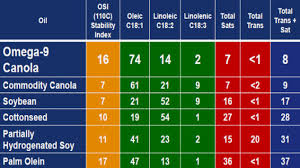
As the fear of saturated fat took hold of the world, consumption of all kinds of nasty ingredients increased. Prime examples are industrial seed- and vegetable oils like soybean, corn and cottonseed oil. These oils are extracted from seeds using very harsh processing methods and include high heat, bleaching and the toxic solvent hexane. These oils contain very large amounts of Omega-6 fatty acids, way more than humans ever consumed throughout evolution. We need small amounts of these fatty acids in the diet, such as the amounts found in meat and nuts.


However, if we eat way too much like is the case with Western populations, this causes problems (17). Eating too much of these fats can lead to inflammation, which is a leading cause of many chronic diseases (18). These oils get incorporated into our body fat stores and cellular membranes, where they are highly sensitive to oxidation and damage. To top it all off, the industrial vegetable oils that you find in the supermarket contain 0.56-4.2% of their fatty acid as trans fats, which are highly toxic (19). (This does not apply to olive oil, which is good for you!)
Bottom Line: Vegetable oils are unhealthy and lead to inflammation. They are potential key players in the epidemic of Western diseases.

6. Low-Fat or Fat-Free Foods

It ain’t the fat, people! Despite the last decades of propaganda against saturated fats, they have now been proven to be harmless (20, 21). When the anti-fat message first came out, food manufacturers started producing “healthy” products that were low-fat or fat-free. The only problem is that foods that have had the fat removed taste like crap. The food manufacturers then loaded their products with chemicals, artificial sweeteners and massive amounts of sugar. What they basically did was remove the good stuff (fat) and replace it with bad stuff (sugar). This is how they managed to turn perfectly healthy foods like yogurt into very harmful products filled with unhealthy ingredients.
Bottom Line: Avoid everything labelled “low-fat” or “fat-free.” These are highly processed products loaded with sugar and other harmful substances.

7. Gluten-Free Junk Foods


Many people have started to avoid gluten, a protein found in wheat, spelt, rye and barley (and a few other grains). Almost a third of the U.S. population currently wants to cut back on gluten or go gluten-free. Food manufacturers have caught up on the trend and have started offering all sorts of gluten-free “health foods.” The problem with these foods is that they’re usually not healthy at all.


Instead of a gluten grain, they’re made with other starches like potato starch, tapioca starch or some others. These starches are usually highly refined, void of nutrients and spike blood sugar fast, just like wheat. But these products are often also loaded with sugar and other harmful or artificial chemicals. This does NOT apply to foods that are naturally gluten free, like meats or vegetables. If a product says “gluten-free” on the package, then it’s probably bad for you.


Bottom Line: Gluten-free foods are highly processed foods that are not much healthier than their gluten-containing counterparts. It’s best to avoid them.

8. Margarine and Fake Butters

“I wish butter tasted more like margarine, said nobody ever.” – Danny J. Albers. Another side effect of the anti-fat hysteria is a plethora of so-called “healthy” butter alternatives. The most notable example of these is margarine. It used to be loaded with trans fats, now it tends to contain processed vegetable oils instead. Butter consumption went down, margarine consumption went up.


The problem with this is that butter is healthy. Margarine is NOT. Grass-fed butter, in particular, is an excellent source of the fatty acid butyrate and Vitamin K2, both of which can have powerful positive effects on health (22, 23). Margarine is a processed food with harmful ingredients that can make you sick. In one large study, replacing butter with margarine lead to a drastically increased risk of death from heart attacks (24). This is one great example of where blindly following the mainstream advice can put you in an early grave.

Bottom Line: Margarine is a processed food that contains unhealthy, artificial ingredients. Avoid it, use real grass-fed butter instead.

9. Energy Bars

Energy bars are in the same boat as sports drinks – most people don’t need them. If you’re an elite athlete who desperately needs to keep protein intake high and eat every 2-3 hours, then these bars can definitely be convenient. However, most people don’t need to eat that often and these bars don’t contain anything that you can’t get from real foods.

Energy bars and protein bars are often highly processed products. Even though they may be higher in protein than chocolate bars, they often still contain the same unhealthy ingredients. Sugar, white flour, artificial flavor… you name it, they’ve got it. Of course, there are some healthier brands available, but if you want to avoid the crap then you must read labels!

If you’re starving and far away from home, then healthier types of energy bars can certainly be better than a burger and a coke, but your money is still better spent on real foods.
Bottom Line: Energy and protein bars are often highly processed products. Most people don’t need them and they tend to contain sugar and other nasty ingredients.

10. Low Carb Junk Foods

As people have changed their mind on fat being the root of all evil, some people have started cutting back on carbs instead. Again, food manufacturers have caught notice and brought all sorts of low-carb junk foods to the market. Even though something is low in carbs and can help you lose weight, it may still be very unhealthy. Great examples are the low-carb Atkins bars. These are nasty, highly processed products that nobody should be eating. Just check out the ingredients list for this Atkins Advantage bar. This isn’t food. If you’re going to do a low-carb diet, stick to real, unprocessed foods.
Bottom Line: There are some low-carb processed foods on the market that are extremely unhealthy and loaded with artificial ingredients.

11. “Healthy” Breakfast Cereals

Most highly processed breakfast cereals are not healthy. In fact, they are among the worst foods you can eat. They’re often loaded with sugar and refined carbohydrates. Then the manufacturers fortify them with some synthetic vitamins and put tiny amounts of whole grains in the mix, then market their products as healthy. Don’t be fooled by the labels… low-fat, fat-free, whole grain, etc. Just check the ingredients list on these products, they’re usually loaded with sugar. Starting the day with a high-sugar cereal will set you up for a blood sugar crash later in the day, followed by hunger, cravings and another high-carb meal.

12. Anything Else?

If the packaging of a food tells you that it is healthy, then it probably isn’t.

Article source : http://eatlocalgrown.com/article/12322-top-11-health-foods-that-are-not-healthy.html?c=tca

Wednesday, January 21, 2015

Recognizing the Symptoms of Liver Disease

People with candida (as well as cancer) often have a compromised liver from all the toxins that the liver is trying to eliminate from the body, and from all the toxin killers like grapefruit seed extract, oregano oil, colloidal silver, etc that are used for die-off and the die-off itself. The liver needs to be paid attention to and cared for as a slightly compromised liver can be healed with proper diet but once the liver is scarred (e.g. cirrhosis), the liver is too damaged to heal.

Here is an interesting article on identifying symptoms that could reflect damage to the liver or liver disease itself:


Knowing how to recognize the symptoms of liver disease can save your life. As with so many illnesses and diseases, liver disease, if spotted early enough, can be arrested, and cured (providing the causes have been identified and are avoided in the future), and your liver can fully recover, growing new healthy tissue to replace any that has been damaged, just as long as the disease has not been allowed to progress too far – hence the importance of knowing what the warning signs to look out for.

An organ and a gland
Your liver is the largest internal organ (and also the largest internal gland) that you have in your body. In a healthy adult, a normal liver will weigh somewhere between 3 - 3.5 pounds and it plays a crucial role in a number of body system functions.

The functions of the liver
The key functions of the liver are to detoxify your blood, and to enhance your digestive system by creating bile, which helps to break down the fats that you consume into small pieces, making them easier for your small intestine to absorb. But that’s not all. Here is a quick summary of what your liver does for you:
  • detoxes the blood, filtering out any harmful and unwanted substances like drugs and alcohol
  • produces bile to aid digestion
  • stores some of the body’s vitamins and iron
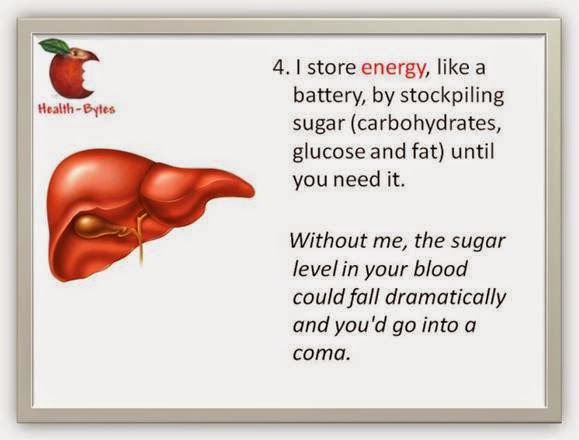
  • stores glucose
  • converts glucose into sugar that the body can use when the body’s sugar levels become depleted
  • processes hemoglobin, insulin and a variety of other hormones
  • converts ammonia into urea, an essential ingredient for healthy metabolism
  • eliminates old red blood cells, which produce fecal matter which is normally brown in color. This is why when your stools are discolored (i.e. not brown); it can be an indication there is something wrong with your liver function.
Without a healthy liver, any holistic health lifestyle will become severely compromised, and depending on the nature and severity of disease, could prove fatal, which is why it’s so important to be able to detect and interpret the early symptoms of liver disease.

Hepatic disease
Liver disease is also sometimes referred to as hepatic disease. When any type of hepatic disease affects up to three quarters of your liver tissue, that’s when a significant increase in liver function can be detected.

The causes of liver disease
Liver disease can be brought about in a number of different ways:
  • its cells may be inflamed, as with hepatitis
  • the passage of bile may become obstructed, as in cholestasis
  • a build-up of cholesterol may occur
  • the flow of blood to the liver can be damaged
  • the tissue of the liver may be attacked and damaged by toxins
Alcohol abuse and cirrhosis of the liver
The most common cause of liver disease in North America is alcohol abuse. The final stage of liver disease (when the liver sustains severe scarring and cannot regenerate replacement tissue) is known as cirrhosis of the liver, and this is responsible for approximately 25,000 deaths per annum here in North America.

The classic symptoms of liver disease
The most frequent and common symptoms of liver disease include:
  • bad breath
  • black circles beneath the eyes
  • bad body odor
  • brown blemishes on the skin
  • coated tongue
  • discolored stools
  • flushed facial appearance
  • inflamed palms and soles of feet
  • swollen eyeballs
  • jaundice, the yellowing of the skin which can often also be evidenced in the whites of the eyes
  • nausea
  • pain, which is felt in the uppermost right hand quadrant of the abdomen
  • increased tendency to perspire excessively
Some people also suffer from fatigue and weight loss.

These symptoms of liver disease relate to hepatic disease in general, but there are also many different, specific, illnesses or diseases that affect the liver, and each of these has its own specific symptoms.

Gallstones
The symptoms of liver disease that are associated with gallstones, include pain in the upper right quadrant of the abdomen, vomiting (from having eaten a fatty or greasy meal), and if the gallbladder itself becomes infected, this may also bring about a fever.

Cirrhosis of the liver
As hepatic disease progresses and reaches the stage of cirrhosis, the following symptoms of liver disease may often appear.
  • a tendency to bruise more easily - because the liver is no longer able to efficiently clot the blood
  • itchiness - the result of bile salts being deposited in the skin can cause itching
  • enlarged male breasts - a condition known as gynecomatia and can be brought about by upsetting the balance of sex hormones, and an increase in the hormone estradiol in particular
  • erectile dysfunction - the upsetting of the balance of sex hormones can also bring about a reduction in sex drive and cause the testicles to shrink.
  • feeling confused - feelings of confusion arise when the levels of ammonia in the bloodstream become too high. This ammonia is normally removed from the bloodstream by a healthy liver, but when liver health is compromised, the sufferer may experience feelings of confusion.
  • feelings of lethargy - also potentially brought about by the increase in blood ammonia.
  • decrease in muscle tissue - a compromised liver will also reduce its production of proteins, and this can lead to the wasting of muscle.
  • swollen stomach veins - because blood pressure becomes increased with a cirrhotic liver, the blood flow to the liver can become compromised, possibly resulting in a swelling to the veins around the stomach area.
The unusual metabolization of fats
Another of the prime symptoms of liver disease is the abnormal metabolization of fats (your metabolism), which can manifest itself in the following ways:
  • elevated levels of LDL cholesterol and triglycerides, at the same time as decreased levels of HDL cholesterol.
  • hypertension or blood pressure caused by your blood vessels becoming blocked by fatty deposits, potentially leading to stroke and heart attack.
  • fatty tumors and lymphomas developing in the skin
  • significant weight gain that could lead to obesity
  • difficulty in losing weight, even though you may be dieting
  • a sluggishly slow metabolism
  • bloated stomach
  • the appearance of cellulite
  • developing a roll of fat around the upper abdomen a.k.a. your own armchair.
Symptoms to look for with your digestive system
The symptoms of liver disease can also be seen in relation to the digestive system and can include things like:

  • constipation
  • hemorrhoids
  • indigestion and/or reflux
  • the inability to tolerate alcohol
  • the inability to tolerate fatty food
  • irritable bowel syndrome
Symptoms relating to blood sugar levels
The symptoms of liver damage that relate to blood sugar include things like:
  • developing a craving for sweet things
  • unstable levels of sugar in the blood, also known as hypoglycemia
  • the onset, in later life, of type II diabetes
Symptoms relating to your immune system
Poor liver health can also affect your immune system in which case the symptoms of liver disease to watch out for include:
  • developing new allergies such as asthma, hay fever, and hives
  • excessive itching
  • developing skin rashes
  • an increased incidence of autoimmune disease
  • an increase in the incidence of viral and bacterial infections
Spot the symptoms of liver damage and give your liver the chance to recover

The health of your liver is not only crucial for a continued holistic health lifestyle, but is essential for any type of healthy lifestyle. The power of the liver to heal itself from many diseases brought about by alcoholic or non-alcoholic fatty liver is quite amazing, provided that the disease is spotted early, so knowing what the potential symptoms of liver disease are, as discussed above, and keeping a watchful eye out for them is absolutely crucial.

Thursday, September 11, 2014

Care for Your Liver

Someone sent me these slides via email and I thought the message they contain is very centered on good health, especially for people like me who have systemic candida which can tax the liver with all the fungus in the body and the constant fight to purify the blood and clean out the fungus. Whoever put these slides together, kudos to you and thank you!

(unfortunately didn't receive slide #5)

Friday, December 13, 2013

Underactive Thyroid?

By Donna Gates, Body Ecology

What Role Does The Thyroid Play?


The thyroid gland is a small butterfly shaped gland that sits just below the thyroid cartilage. The hormones secreted by the thyroid help to regulate heart rate, maintain healthy skin, and play a crucial part in regulating your metabolism.

The thyroid also works to:
  • Lift your energy
  • Regulate your core temperature and warm your body
  • Activate your immune system
It can also tell the body to slow down. Sometimes the thyroid slows down so much that it becomes underactive. This is what is known as hypothyroidism. When this happens, the thyroid gland does not do its job, and the whole body suffers as a result. As common as hypothyroidism is, the detection and treatment of it are getting a second look by doctors.

What Symptoms Does An Underactive Thyroid Produce?


When the gland is sluggish (hypothyroidism), your body will give you some fairly obvious signs.
Some common signs include:
  • Edema, or swelling in the legs, arms, or face
  • Abdominal weight gain
  • Cold hands and feet. Also, check if the nail beds are overgrown with fungus
  • Increased susceptibility to the common cold and flu. Or, a respiratory infection that hangs around for months
  • Dryness, which shows up in loss of hair, brittle nails, constipation, and achy joints

What Does It Mean When Your Symptoms Persist?


  • You still feel like there is something wrong with your energy levels and basal body temperature?
  • You continue to lose hair and gain abdominal weight?
  • You begin to feel better and then start to feel just as crummy as before the medication, even though you now take it religiously?
  • Do you feel like you're always the first to catch a cold? An increased susceptibility to the common cold and flu is one possible sign of an underactive thyroid.

5 Clues That May Indicate Your Thyroid Is Underactive


Doctors are now investigating why thyroid tests may appear normal, but the thyroid itself may still be dysfunctional. Seeing a pattern will help you determine if your thyroid medication is properly treating an underactive thyroid, or if more diagnosis is necessary.

1. Edema, which is the abnormal accumulation of fluid beneath the skin. The edema that occurs in hypothyroidism is the “non-pitting” form of edema.
  • “Non-pitting” means: You press your finger into the flesh, and it bounces right back and leaves no mark.
  • This is called myxedema, which is specifically associated with low levels of thyroid hormones.
  • Myxedema is swelling of the arms, legs, and face.

2. There is persistent weight gain, especially around your torso, that you just can’t lose no matter how frugal you are with calories.

Dr. Roby Mitchell tells us that thyroid hormones help insulin move glucose from blood into the cells. “When thyroid levels are low, more insulin is needed to maintain normal glucose. More insulin means more fat cell hyperplasia, which shows up as increased fat deposition.” The adrenals lose strength when the thyroid is underactive, which also slows down metabolism.

3. Cold hands and cold feet may mean lack of blood flow.

Lack of blood flow to the extremities, like your hands and feet, can also show up as chronic fungal infections. This is because the essential nutrients carried in the blood do not reach the extremities as frequently. Low thyroid activity is associated with too much homocysteine - an amino acid associated with heart disease, poor blood flow, and stiff vasculature.

4. Nagging infections could point to an underactive thyroid.

Dr. Mitchell points out that because beta-carotene depends on thyroid hormones in order to convert into vitamin A, beta-carotene can build up in the body and cause yellow skin, especially in the hands. The official name for this is called carotoderma.

Vitamin A plays an important role in immune system health. What happens when the body cannot convert beta-carotene into vitamin A? The body may become more susceptible to infections, or it simply may not have the strength to kick a bug.

5. Excessive hair loss, painful joints, and other signs of dryness.

Iodine and Thyroid Function


Because there are so many pathways to an underactive thyroid, including autoimmune hypothyroid, be careful when supplementing with iodine. Iodine, while central to the production of thyroid hormones T3 and T4, can actually make some hypothyroid conditions worse. This is because iodine speeds up the production of a thyroid enzyme. If the body has developed autoimmunity to this enzyme, which happens in the case of Hashimoto’s thyroiditis, then this will increase the inflammatory cascade.
  • Iodine is not a cure-all.
  • Diagnosis, knowing the mechanism responsible for an underactive thyroid, is paramount.
Using iodine to address a thyroid condition does not take into account autoimmune hypothyroid. It also does not address diet or lifestyle, which can make a tremendous impact on thyroid hormone levels.

Testing for Hypothyroidism Can Be Tricky


A major issue has erupted in the medical community. Many doctors are now disagreeing over what tests should be done to check thyroid function. Traditionally, TSH, Thyroid-Stimulating Hormone that is released from the pituitary gland in the brain, would be checked along with the two thyroid hormones it produces, T3 and T4.

However, it has become commonplace to only test for TSH, and that is only one part of a very detailed picture. There are many other mechanisms at work in thyroid health.
For example, healthy thyroid activity relies on:
  • Stable levels of other hormones, like estrogen and progesterone. Too much estrogen, such as from the birth control pill, will create too many thyroid-binding proteins.
  • A healthy immune system. Autoimmune hypothyroid can be missed by TSH blood panels.
  • Beneficial bacteria in the gut. Antibiotics wipe out these good microbes, which account for around 20% of the conversion of T4 to usable T3. (1)
  • An uncongested and healthy liver. The liver converts over half of T4 from the thyroid into usable T3.
  • Good adrenal function. Adrenal fatigue can slow down the function of the pituitary and hypothalamus in the brain. These three glands are a part of what is called the HPA axis (hypothalamus-pituitary-adrenal axis). An alert and healthy pituitary is essential for good thyroid function.
Clearly, with so many pathways available for the production and conversion of thyroid hormones, there are a lot of opportunities for something to go wrong.

Many people are diagnosed with this condition and given thyroid medication. Sometimes, this medication will show improvements in lab analysis as hormone levels fall into normal range. But many people still have symptoms.

Tips For Treating An Underactive Thyroid


  1. Work with a qualified health care practitioner
  2. Populate your gut with good microbes. Remember, gut flora convert 20% of T4 into usable T3! Eat fermented foods and drink probiotic beverages with every meal!
  3. Regulate your immune system
  4. Address any blood sugar imbalances
  5. Diet and lifestyle can drastically affect your adrenals, the HPA axis, and the health of your thyroid; does your current diet and lifestyle support a healthy thyroid?
This article was taken in its entirety from Food Matters.