Showing posts with label liver. Show all posts

Sunday, December 22, 2019

Toxic Overload and 13 Ways to Detox Naturally

Feeling lethargic, not up to your old self, perhaps getting sick easily or experiencing depression? Maybe a serious look into detoxing might offer some relief or refresh your system. The following article was taken from The Candida Diet blog, and obviously it was written specifically for people with candida. That said, the article extends to anyone wanting to purge the buildup of excessive chemicals and environmental toxins we are all exposed to through just daily living, food shopping and consuming, and simply moving around in our environment.
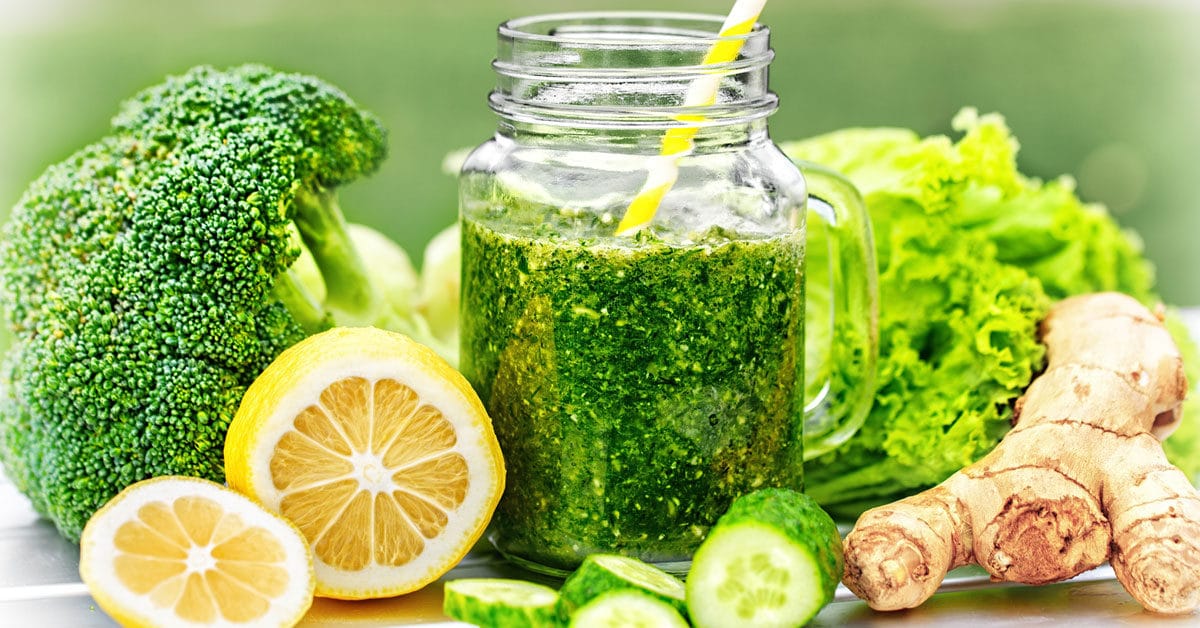
Three easy ways to detox naturally


13 Ways You Can Detox Naturally


Today’s modern lifestyle is a minefield of toxins. There are chemicals and pollutants in our air, our food, our drinking water and even the products we apply to our skin. Although there are ways to minimize the amount of toxins we encounter, the truth is that they’re almost impossible to avoid completely.


Unfortunately, these toxins can have a catastrophic effect on your body. Everyday toxins accumulate in the body over time, building up to dangerous levels. They’re absorbed by your cells, muscles, and soft tissues. Eventually, they weaken your entire immune system.

Research has shown that chemical pollutants can suppress normal immune function, increasing your susceptibility to infections and diseases. Considering 70 percent of your immune system is in your gut, this increases your susceptibility to pathogenic bacteria, fungi and yeast – such as Candida overgrowth.

The good news is that there are many ways to detoxify your body naturally, through diet, supplements, and your daily habits. Make these techniques a regular part of your daily lifestyle and you’ll be on your way to a toxin-free, healthier you!

Natural Detoxification Through Diet

Here are some simple, detoxifying changes that you can make to your diet today.

1.  Increase your water intake

Water helps flush toxins out of your body in the form of sweat, tears, and urine. Choose pure, filtered water from a safe source.

2.  Cut the sugar

Sugar not only increases calorific intake, but can cause inflammation and feed candida. Artificial sweeteners are no better – they’re also toxins!

3.  Eat organic

Many commercially-produced fruits and vegetables contain dangerous pesticides and chemicals, while meats contain antibiotics and hormones. Organic food has more nutrients and fewer pesticides.

4.  Cut processed foods

These often contain preservatives and artificial flavorings that are not only toxic, but increase your appetite.

5.  Add fermented foods and drinks to your diet

These are an excellent source of probiotics which help fight pathogens and yeast. Probiotics also strengthen the immune system, and improve digestion and detoxification.

Sauerkraut is a good source of calcium glucarate, a powerful detoxifier. Research has shown that calcium glucarate helps prevent cancer of the breast and colon.

Natural Liver Detoxification

The liver is the largest organ in the body. It’s also the organ primarily responsible for detoxification: flushing out the various toxins we encounter in our diet, lifestyle and environment. Every one of our body systems is dependent on the liver for ‘cleaning’ the blood of impurities.

The more toxins we ingest, imbibe, and encounter, the greater the burden on the liver. Signs of an overloaded liver include fatigue, headaches, digestive issues, skin problems, and weakened immune function.

A number of supplements can support liver function, including:

6.  Milk thistle

This herb is famous for its active ingredient, silymarin. Silymarin is an important antioxidant and nature’s very own liver nurse. It supports and protects the liver by optimizing liver function and detoxification as well as repairing damage done to liver cells caused by disease, alcohol and drugs.

The active ingredients in milk thistle act like your liver’s own personal gatekeeper. It binds to the outside of the liver cell and when toxins enter the body, it fends them off by blocking entry to the liver cell.

Silymarin also takes care of toxins that have already found their way into the cell, seeking them out and neutralizing them. Neutralized toxins are then either removed from the bloodstream or converted into water-soluble forms which can be sent out of the body as harmless waste (through the bowels, in your urine or in sweat).

Clinical studies have shown that these mechanisms help to maintain liver health and significantly reduce the risk of long-term liver damage.

7.  Molybdenum

Molybdenum is a mineral naturally present in many foods. It’s especially important to the liver in flushing out toxins.

Molybdenum is required for helping the body make several detoxification enzymes, including aldehyde dehydrogenase and aldehyde oxidase. These enzymes work to neutralize acetaldehyde, a harmful metabolic byproduct of alcohol, yeast and fungi.

Candida overgrowth often leads to an excess of this neurotoxin, causing it to build up in the blood, liver and other tissues. This seriously burdens the immune system.

Molybdenum also helps the body synthesize enzymes that oxidize the sulfites in preservatives, as well as neutralizing toxins involved in protein metabolism. In addition molybdenum is involved with expelling excess copper from the body and preventing dental cavities caused by minerals stored in tooth enamel.

Most importantly, molybdenum also helps rid the body of toxins that accumulate when Candida yeast cells die. The die-off process (or Herxheimer reaction) can deplete molybdenum stores very quickly, so it’s important to replace them during your detoxification.

Look for a supplement that contains molybdenum glycinate, as this is the most bio-available and best-tolerated form. A good example is Liver Support by Balance ONE.

8.  Pantethine

A derivative of vitamin B5, pantethine is vital for healthy detoxification. Pantethine also benefits Candida sufferers by supporting healthy metabolism, particularly when it comes to breaking down acetaldehyde. Acetaldehyde is a nasty chemical that affects your metabolic, endocrine, neurological and immune systems. It’s produced by the Candida yeast during your Candida infestation, and it is also released by yeast cells during die-off.

Pantethine helps to flush this poison from the body by working with other bodily functions that make co-enzyme A, a nutrient required for metabolic function. Acetyl Coenzyme A is the active form of pantothenic acid, and it is formed when coenzyme A combines with the acetate in your cells.

Regular intake of pantethine can lower overall acetaldehyde levels in the body. A study in Japan showed that the pantethine prevented a rise in blood acetaldehyde in people who had ingested alcohol. 

Natural Detoxification Habits


9.  Go Chemical-Free

Reduce the toxic load on your body by switching to organic, natural personal care and household products. Natural alternatives to chemical-laden products are now widely available and better for the environment, too!

Another great tip is to make sure that you air out your house regularly. Try to open a few doors and windows on a regular basis. That fresh air will help to eliminate the VOCs that are off-gassed by carpets, furniture and paint.

10.  Reduce stress

You can’t avoid all of them, but you can learn to manage them more effectively. Daily exercise such as jogging or yoga is a good start, as is mind-body exercises such as deep breathing. Stress can directly affect your digestive system.

11.  Exercise

Exercise activates your lymphatic system and increases the level of oxygen in your bloodstream. This helps to optimize immune function, reduce the Candida colonies in your gut and boost digestive transit time.

12.  Sauna

Sauna treatments increase body temperature, which restricts the survival of viruses and other pathogens. Saunas can also help to increase blood circulation, which oxygenates your cells and assists the removal of toxins from your bloodstream. Not only that, a sauna will open your pores and keep your skin’s elimination pathway running smoothly. Sweating helps to remove toxins and can help to relieve some of the symptoms associated with Candida.

13.  Skin Brushing

This helps to clear away toxic metabolites by stimulating the lymphatic system. Firm but gentle brush strokes across the skin will boost blood circulation, allowing for faster elimination of toxins. Use a brush with natural bristles and start from your feet. Use slow, gentle, circular movements and move up your body, brushing towards your heart.

Detox Yourself of Candida – Everyday


Detoxification is one of the most important elements of a successful anti-Candida program. With all the toxins we face in everyday life, our body’s natural detoxification pathways can sometimes fall short. That’s why it’s hugely important to give our liver, skin and blood a helping hand!

Reducing the toxic load on your body is a start, but there are real benefits in supplementing body with quality nutrients through diet and supplements. And anyway, who doesn’t love a good sauna?

For more tips on reducing your toxic load, beating Candida, and recovering your health, check out our Ultimate Candida Diet program.

Friday, August 23, 2019

The Denaturing Effect of Cooked Food

The following article is taken from Hippocrates Health Institute, home education (Dec 13, 2018): 

Cooked Food What’s In It?

Well, after years of being a pyrofoodiac, I discovered raw food. No, I’m not talking raw meat or even sushi, but rather fruits, veggies and their juices and raw nuts seeds. In their natural, unadulterated, untouched by man, UNcooked and certainly UN-burned state, these foods really can heal all that ails you. It turns out, it’s that cooked food, especially the burnt stuff, that WILL kill you! 

Yes, I know exactly what you’re thinking, “EVERYONE eats cooked food!” But not everyone knows what the cooking of food actually does to the food, and even more importantly, what that cooked food does to your body when you regularly consume it. 


So, what could possibly be so bad about cooking your food? Does something in the food change when you heat it? 


What exactly is IN cooked food? 

Whenever you cook food, whether it’s on a stove top, in an oven, on a grill, in a microwave, or in a fryer, not only does the molecular structure of the food become denatured, deranged, and/or degraded, but those molecules are changed into new chemical configurations (this is a bad thing) and carcinogenic and mutagenic byproducts are formed. The degree to which this happens is dependent on the cooking temperature, time cooked and method of cooking. 

Grilling, barbecuing, smoking and frying are the worst offenders; they are literally the fires of death, but steaming also affects the food. You know that old saying that there are more nutrients in the water of steamed veggies than are actually left in the veggies when they are done steaming? That’s because heat destroys nutrients, especially the water soluble vitamins like vitamin C and all the B vitamins. The heating of food also destroys the food’s enzymes. In fact, 100% of the food’s enzymes are destroyed at temperatures as low as 118 degrees Fahrenheit. In addition, the oxygen and water content of the food is drastically decreased, fats are carcinogenized, carbs are caramelized and proteins are coagulated and become virtually unusable by the body. Even the fiber in food loses that sweeping-like action in the colon

The heating of food also creates toxic byproducts. Here is a list of some of the dangerous byproducts you are most likely unknowingly consuming every time you eat cooked food, whether it’s a carb, a fat or a protein: 

Acrylamides: These are the cancer· causing byproducts of cooking carbohydrate foods such as breads, potatoes, pastries or any kind of starch. Even the FDA (Food and Drug Administration) acknowledges the perils of acrylamides. In fact, on their website (www.fda.com) they have a list of the amount of acrylamides found in various common cooked foods, but you better believe the processed/fast food industry doesn’t want you to know about this! 

Ally aldehyde, butyric acid, nitrobenzene and nitropyrene: The book, Diet, Nutrition and Cancer, published by the U.S. FDA’s Office of Toxicological Sciences and the Nutritional Research Council and the American Academy of Sciences lists these toxins as being formed from heating the fats and oils in food. 

Epoxides, Hydroperoxides, unsaturated aldehydes: These are generated when heating fat from meat, milk, eggs, and fish. 

Furfural / furans: These toxins are spawned when sugars are heated. 

Heterocyclic Arnines (HCA’s): Add heat to amino acids (proteins) such as meat, fish or chicken and these poisons will be served up. 

Indole, skatole, nitropyrene, ptomatropine, ptomaines, leukomaines, ammonia, hydrogen sulfide, cadaverine, muscarine, putecine, nervine, mercaptins: These toxic by-products have been found in cooked cheeses. 

Methylglyoxal and chlorogenic atractyosides: Heating the coffee bean produces these chemicals. 

Nitrosamines: As nitrogen oxides in the gas flame from gas ovens or barbecues interact with fats, these toxins are created. 

Polycyclic hydrocarbons: These carcinogens are generated from the charring of meat. 

Hydrogenated oils/Trans fats: These man-made fats, also called hydrogenated or partially hydrogenated fats, were specifically developed so a processed food could sit on a shelf for a long period of time without going rancid. Many of today’s common foods are also cooked in these trans fats. Consuming trans fats can lead to obesity, heart disease, increases in the bad (LDL) cholesterol and lowering of the good (HDL) cholesterol and it contributes to a host of other debilitating health problems. 

Keep in mind, when heating even the most common cooking oils, such as olive oil, the heat denatures the oil molecules and causes the oil to turn rancid. 


What happens to the body when we eat cooked food? 

We have became a “Pyrofoodiac Nation,” consuming excessive amounts of cooked and overcooked food at each and every meal,· including snacks, to the point of great disease and utter destruction! Here is what happens to the body every time we eat cooked food: 

Digestive leukocytosis: The term leukocytosis refers to an increase in white blood cells, indicating the body is in attack mode. This commonly occurs when you are sick; your white blood cells come out to protect you. It may surprise you to know this immune response also occurs when you consume cooked food. lt is referred to as digestive leukocytes, but it’s interesting to note, this reaction does not occur after eating raw/uncooked food. 

Accelerated aging, lowered pH and free radical formation: Also called, lipofuscin, a build-up of toxic, acidic waste material often referred to as “free radicals” accumulates in the skin (and reveals itself as age spots), liver, nervous system and brain when consuming large amounts of cooked food. Your pH becomes acidic and you are literally rusting from the inside out. 

Weakened immune system, disease production and overworked and enlarged pancreas and other organs: When you are not getting the proper nutrients, your white blood cells are always out in attack mode and toxic wastes are in full circulation, your weak and overworked body breeds common ailments such as allergies, headaches, sinusitis, diabetes, heart disease, erectile dysfunction, depression, arthritis, osteoporosis, and various cancers thrive. 

Intestinal toxemia, unfriendly flora build-up and more difficult digestion: Colonies of unfriendly bacteria take over the colon as they feed on the thick tarlike, undigested and uneliminated cooked food putrefying in the intestines. There is also a significant decrease in the quantity of healthy intestinal flora in the colon, often leading to digestion difficulties. A plant-based uncooked diet decreases the toxic load in the colon and decreases the unfriendly bacteria and other dangerous byproducts that contribute to colon cancer. 

Toxic waste accumulation and mucoid plaque build-up in the blood and colon: A congested bowel full of putrefied cooked food can lead to backup and reabsorption of toxins back into the bloodstream. This accumulation of wastes in the blood vessels can contribute to many of today’s common circulatory problems such as heart disease, high cholesterol, high blood pressure and even erectile dysfunction, and may also contribute to many other common health challenges such as gout, arthritis and various cancers. In addition, common ailments such as runny noses, headaches, asthma and even diarrhea can be signs of a “healing crisis” where the body is overwhelmed and is trying to rid itself of unwanted mucus and toxins. 

Malnutrition & deficiency of important nutrients: Many of those who regularly eat cooked food find themselves always hungry and always eating but totally malnourished, for the nutrient make-up of cooked food is diminished significantly, so the body is always craving more and more. 

Depletion of the food’s life force: As shown in kirlian photography, cooking literally kills food; its bioelectrical energy is destroyed. After cooking, the food is considered “dead.” 

Increased risk of diseases of all types: The cooking of food, especially at high temperatures, literally burns away the anti-disease and anti-cancer properties of food. A diet lacking in raw veggies has been implicated in everything from breast and colon cancer to heart disease, diabetes and even arthritis. 

Baby Steps 

Even if you are not ready to become a 100% raw foodie, you can still do your body good by making some positive food changes and eating less cooked food. Begin slowly by increasing your raw food intake; choose fresh salads over fried onions rings when eating out and avoid all the obviously unhealthy cooking methods with your entree, such as deep frying, barbecuing and charring. Replace your acidic morning cup-o-joe or pasteurized orange juice with a fresh, unpasteurized alkaline green veggie juice and even pick one day a week to eat only raw/uncooked food. Over time, you will start to feel the difference, your skin will glow and your body will thank you with great health. 

©www.doctorginger.com 2007 Dr. Ginger Southall is a consumer health advocate, 
investigative journalist, and a health instructor. She can be reached at ginger@doctorginger.com 


Friday, June 15, 2018

The Nutrition of Sprouts

Sprouts are truly a miracle food! They have 10 - 30 times more concentrated nutrients than even the best vegetables. Imagine the plant in its youth before the ravages of age have caused it to age and decrease in nutritional value. In its youth, in fact, in its first seven or so days of its sprouting, the seed has all the nutrients it needs to survive for those few days. All it needs is water and the right temperature with sunlight to help it grow. Otherwise, the plant is self-sustained. Now imagine yourself eating this powerful load of nutrients rather than the fruit of the plant in its older age or eating the food that has its nutrition steamed, fried or baked out of it. This perspective really makes one realize the power of sprouts! Those small sprouts have more nutrition than their harvested fruit or veggie parents! 
an entry from WHATINSPIRESU blog
Following are a few sprouts and their nutritional benefits:

Adzuki 
  • lowers LDL cholesterol
  • regulates insulin
  • fights breast and colon cancer

Broccoli
  • fights colon, prostate, rectum, esophagus, lung, bladder, and stomach cancer
  • effective for inflammations and hot swellings
  • effective for hangovers
  • best among the sprouts for treating breast cancer: 1 - 2 T a day 

Clover
  • relaxes the nervous system
  • settles the stomach and treats throat and stomach cancer
  • as an excellent expectorant, treats whooping cough
  • promotes fertility

Fenugreek
  • treats blood poisoning, failing eyesight, fevers, palpitations, liver and kidney troubles
  • treats anemia
  • increases mother's milk production (therefore people with breast cancer should avoid)
  • notable as a treatment for diabetes

Lentils
  • lowers LDL cholesterol
  • regulates insulin
  • fights breast and colon cancer

Mung Beans
  • prevents prostate problems, glandular dysfunction
  • breast cancer
  • treats premature balding and graying

Radish
  • cleans the blood
  • as an excellent expectorant, treats whooping cough
  • facilitates digestion

Sunflower
  • excellent source of balanced amino acids for building protein
  • activates every cell in the immune system
  • builds skeletal, muscular and neurological systems

This information was presented at Hippocrates Health Institute. For further studies, the health benefits of 44 different types of sprouts are very well articulated in chapter 11 of the book Lifeforce by Dr. Brian Clement of Hippocrates Health Institute, a raw food lifestyle center. Scientific data about nutritional value in sprouts is published by the USDA in the National Agricultural Library at http://ndb.nal.usda.gov/ndb/foods/list, the USDA Food Composition Database.

Home Sprouting: All You Need to Know

Wednesday, July 26, 2017

Vitamin A: Necessary Growth Factor

Vitamin A is an absolutely vital vitamin for maintaining health, and unfortunately people with systemic candida often have deficiencies of the vitamin. In the early period of my systemic candida, I kept having weird eye, neural and other symptoms, and because of my horrendous eye problems, decided to get a vitamin A test. Sure enough, a deficiency! And it kept getting worse, not better, even with supplementation, which I then read in Supplements Exposed that supplements didn't boost vitamin A levels at all. So I tested out that theory, and sure enough, my vitamin A levels didn't budge even though I was taking powerful daily doses of vitamin A. Even now, in 2017, I still have a big vitamin A deficiency. My diet was ultra-strict before to control the systemic candida, and now that I'm a lot better, I'm really trying to eat as much vitamin A-rich foods ... the numbers have improved a bit, but I'm still deficient.

______________________________________________________________


Vitamin A was identified as a necessary growth factor in 1915 and was the first vitamin to be discovered. It is obtained from food in a combination of two different forms: as pre-formed vitamin A and as pro-vitamin A, which the body can convert to vitamin A as necessary. Pre-formed vitamin A, often in the form of retinal or retinal [sic], is found in foods of animal origin while pro-vitamin A, of which beta-carotene is the best known form, is found in orange, yellow and dark green vegetables and fruits. Both forms are fat soluble.

What does it do for your body? 
EYES - Vitamin A is essential for eyes to function effectively. It is involved in the growth and repair of the eye and in the production of a chemical called visual purple, which helps in night vision.

EPITHELIAL CELLS - Vitamin A is involved in the growth and repair of epithelial cells. These cells cover the internal and external surfaces of the body and are found in the skin, lungs, developing teeth, inner ear, cornea of the eye, sex organs, glands and their ducts, gums, nose, cervix and other areas. This growth and maintenance role is vital for many bodily functions. For example, the good health of the digestive tract lining is important in protecting against ulcers and maintenance of the lining of the vagina and uterus which are important in fertility.

PREGNANCY - Vitamin A is necessary in pregnancy for the development of the embryo.

NERVES - Vitamin A is involved in the production of membranes and of myelin, which coats the nerves.

GLANDS AND HORMONES - Vitamin A plays a role in the maintenance of the adrenal gland and synthesis of certain hormones such as thyroid hormone.

THE IMMUNE SYSTEM - Vitamin A is known as "the anti-infective vitamin" as it is vital for the development of the body’s natural defenses. It stimulates and enhances many immune functions. This immune enhancing function promotes healing of tissues and increases resistance to infection.

Adequate vitamin A intake, either from diet or supplements, is very important especially for children. Many studies have found that vitamin A supplementation reduces the risk of infectious diseases in areas where vitamin A deficiency is widespread. 
A recent research review of several studies found that adequate vitamin A intake in children resulted in many health benefits. Children in developing countries are often at high risk of vitamin A deficiency. In developed countries, ensuring adequate vitamin A intake is particularly important for immune support.

GROWTH AND BONE FORMATION - Vitamin A is necessary for growth and the formation of bones and teeth, collagen synthesis, cartilage synthesis and wound healing.

ANTIVIRAL ACTIVITY - Laboratory experiments have shown vitamin A to have antiviral activity.
Absorption 

The presence of fat and bile in the intestines is necessary for vitamin A absorption. Around 80 to 90% of vitamin A in the diet is absorbed although this is reduced in older people and those who have trouble absorbing fat, such as pancreatitis, celiac disease and cystic fibrosis sufferers, who may run the risk of vitamin A deficiency. 

Vitamin A is joined to fatty acids in the intestinal lining, combined with other substances and transported to the liver, which stores 90% of the body’s vitamin A. 

Deficiency

Vitamin A deficiency is relatively rare in developed countries and is usually limited to those who have absorption difficulties, liver disease or who drink a lot of alcohol. Vitamin A deficiency is common in alcoholics and contributes to some of the disorders of alcoholism such as night blindness, skin problems, cirrhosis of the liver and susceptibility to infections. 

Vitamin A deficiency symptoms: 
EYES - One of the first symptoms of deficiency is night blindness due to lack of visual purple. Prolonged deficiency leads to xerophthalmia, a condition in which eyes become dry, ulcers appear on the cornea, the eyelids become swollen and sticky and which eventually leads to blindness. Vitamin A deficiency is the leading preventable cause of blindness in developing countries.

SKIN - Prolonged deficiency leads to thickened dry skin which is prone to infections. Small hardened bumps of a protein known as keratin may develop around the hair follicles.

GROWTH - Deficiency causes growth retardation, weight loss, diarrhea, thickening of bone shafts, congenital malformations, impaired hearing, taste and smell, wasting of testicles and reduced sperm count. Inadequate vitamin A intake may lead to improper tooth formation in children and to gum disease.

IMMUNE SYSTEM - Epithelial surfaces are adversely affected by vitamin A deficiency causing increased susceptibility to skin and respiratory infections. Immune cells and antibody functions are also affected which may lead to an increase in pre-cancerous cells in the epithelial tissues of the mouth, throat and lungs.

THYROID GLAND - A deficiency of vitamin A can contribute to lower levels of active thyroid hormone with symptoms of low body temperature, depression, difficulty in losing weight, headaches and lethargy.
Therapeutic uses 
Vitamin A supplements are used in developing countries to prevent or treat deficiency and to protect immune system function.  
SKIN DISORDERS - The vitamin A derivatives etretinate and isotretinoin are used topically to treat psoriasis. These compounds inhibit the formation of some of the toxic compounds which may be responsible for the high rate of cell division causing the scaly build up on the skin.
Other Uses
Vitamin eye drops have been used to treat dry eyes.

Creams containing vitamin A have been used to heal wounds in patients taking corticosteroid drugs.
Interactions
Vitamin E and zinc are necessary for vitamin A metabolism, including absorption, transport and release from the liver. Vitamin E may protect against some of the effects of excess vitamin A.

Vitamin A is necessary for calcium metabolism in the formation of healthy bones and teeth.

Vitamin A absorption is reduced by mineral oil laxatives, which bind it. Antacids, the anti-gout drug colchicine, and the cholesterol reducing drug, cholestyramine inhibit vitamin A absorption.

Alcohol irritates the digestive tract and inhibits the absorption of vitamin A while also depleting the body’s tissue stores.
Cautions
Pre-formed vitamin A supplements in doses of more than 3000 mg RE should not be taken by women who may become pregnant. Pro-vitamin A, or beta-carotene are safe for pregnant women. 
Vitamin A supplements should not be taken with isotretinoin or etretinate for skin disease or in cases of impaired liver or kidney function. If vitamin A supplements are taken with large amounts of alcohol, liver damage may occur.

Broad spectrum antibiotics should not be taken with high doses of vitamin A.
Sources of Vitamin A

  • in leafy green vegetables
  • in yellow fruits and vegetables
  • in the liver oils of the cod and other fish
  • in milk, cheese, butter and egg yolk

Thursday, July 28, 2016

The Secrets of Sugar - documentary

Just found an interesting documentary online, "The Secrets of Sugar". I'm not eating any sugar, not even the 'natural' sugars in honey, molasses or fruit. Well, on extremely rare occasions I indulge in a a Granny Smith apple or a banana heavily smeared with almond butter which the fat from it greatly slows the breakdown of sugar from the fruit.

Since cutting all sugars, and I mean all, and eating so many veggies with high fiber gluten-free grains (quinoa, millet in moderation as it's high glycemic, adlay/Job's tears, brown rice) and low glycemic beans only (lentils, garbanzos and black beans) my energy which was always good is very good. People are amazed that my simple diet gives me so much energy. And even better, I hardly ever have a sniffle, a cold or a sore throat (only after eating something that has a high glycemic or fructose count, irritates my upper GI candida). Hmmm, could there be a connection between eating no sugar and feeling well? Wow, I would so say so!

Here's the link to the online documentary "The Secrets of Sugar". Sugar is a definite link towards autoimmune diseases, cancers, Alzheimer's, diabetes type 2, and more states of unhealth.


Friday, August 7, 2015

Fingernail Analysis, part III

8 Health Warnings Your Fingernails May Be Sending 

Source
Your eyes may be the window to your soul, but, in many ways your, nails are the window to what’s going on inside your body. Here are some common nail problems and what they mean: 
Take a good look at your fingernails and you may notice subtle variations in the texture or color; white spots, a rosy tinge, rippling or bumps in the surface to mention a few. These imperfections may not look like much to you, but it’s more important than you might think to maintain healthy fingernails. That’s because to the trained eye, nails can provide valuable indications about your overall health. 
Hold a hand level with your nose about a foot out from your face and scrutinize each one. Look at the grooves, curves, ridges and dips. Notice how thick or thin they are and if there are any stark differences. Are your nails are chipped or broken. Make a note of the color of the nail itself, the skin under it as well as the skin around the nail. You need to get into the habit of knowing your nails and any changes that can occur. Changes are a good indication of the onset of several health problems. Here are 8 of the most common nail issues:
1. RIDGES: Healthy nails should have no obvious ridge lines and should be virtually smooth to the naked eye. Ridges can indicate several health issues including:
  • Inflammatory arthritis
  • Iron deficiency
  • Lupus (with red lines at the base of your nails)
Don’t ignore these ridges by using a nail buffer to smooth the surface – these are warnings to be noticed!

2. THICK NAILS: It is fairly obvious is you have a thickening of the nails and they can have several causes including:
  • Thick/separated nails can indicate thyroid disease or psoriasis
  • Thick/rough-surfaced nails can be a sign of fungal infection
  • Unusually thick nails could be a symptom of a circulation problem
  • Thick nails alone could even signal lung disease
Thickening is fairly easy to notice when it first appears but please note that allergic reactions to some medications manifest themselves as thick nails!

3. DISCOLORED NAILS: A healthy nail bed should be pink with a slight pinky white moon shape at the base. Streaks of any other stronger shades or colors can indicate health issues, as can nails that are tinged by other colors such as:
  • Dark stripes towards the top of the nail are associated with aging and congestive heart failure
  • Blueish tinge to the nails can be a sign of depleted oxygen levels in your blood
  • Green nails are usually a sign of a bacterial infection
  • White nails indicate liver disease, such as hepatitis
  • Red streaks on the nail bed could be a warning of an infection of the heart valves
  • Dull nails in general mean a deficiency of vitamins
Inspect your nails when they are clean and you should know when the color changes.

4: PITTED NAILS: Sometimes small dips can just be the result of a bash to the hand in general, but sometimes more attention should be paid as they can be a symptom of:
  • Zinc deficiency (usually the pit will form a line across the middle of the nailbed)
  • Connective tissue disorder
  • Psoriasis
  • Alopecia areata, which is an autoimmune disorder that results in hair loss
Learn the difference between an injury related imperfection which should not last too long, and a potential disease related imperfection which will not clear up.

5. DRY AND BRITTLE NAILS: Healthy nails should not require cuticle oil and moisturizers as they should maintain themselves. Excessively dry or brittle nails can be a sign of a hormonal balance problem or a bacterial infection.
  • Thyroid disease can result in brittle, dry nails that also crack and split very easily
  • Fungus can cause nails to become dry or even crumbly and is a common problem
Both these potential problems can be treated and the nails will return to good health once a full growing cycle has passed (hand nails grow at about 1 mm per week so on average the full life cycle of human nail is about 6 months). 

6. CONCAVE OR SPOON SHAPED NAILS: What are known as ‘full spoon’ nails are very soft and curve upwards with the dip being pronounced enough to hold a drop or two of liquid. This usually is an indication of:
  • Heart disease
  • Iron deficiency (usually from anemia)
  • Hypothyroidism
  • Hemachromatosis, which is a liver disorder caused by the body absorbing too much iron
If medical intervention clears up the root cause then the nails will return to a normal healthy shape with time.

7. CLUBBED NAILS: This is when the skin around the nail bed can appear inflamed or unusually puffy. This can mean:
  • Liver disease
  • Lung disease, especially if you already have trouble breathing
  • Inflammatory bowel disease
  • AIDS
Most of these health issues will often have already given you other symptoms but the corresponding nail condition can help with diagnosis.

8. SPLIT NAILS: Often our nails split if we have injured them. But when no trauma has occured but the nail flakes away layer by layer it can be a result of several issues:
  • Chronic malnutrition
  • Deficiency of Vitamin C, folic acid or proteins
  • Split nails together with a pitted nail bed can indicate psoriasis
Eating a healthy well balanced diet can eliminate many of these causes. 

Obviously our fingernails will not be the only signs of these diseases, but they can provide confirmation or else the motivation to seek further medical attention.
Strong, healthy nails reflect a strong, healthy you. Share with anyone you know may need to pay attention to their nails.
To read the former postings on fingernail analysis, go to: 

Wednesday, January 21, 2015

Recognizing the Symptoms of Liver Disease

People with candida (as well as cancer) often have a compromised liver from all the toxins that the liver is trying to eliminate from the body, and from all the toxin killers like grapefruit seed extract, oregano oil, colloidal silver, etc that are used for die-off and the die-off itself. The liver needs to be paid attention to and cared for as a slightly compromised liver can be healed with proper diet but once the liver is scarred (e.g. cirrhosis), the liver is too damaged to heal.

Here is an interesting article on identifying symptoms that could reflect damage to the liver or liver disease itself:


Knowing how to recognize the symptoms of liver disease can save your life. As with so many illnesses and diseases, liver disease, if spotted early enough, can be arrested, and cured (providing the causes have been identified and are avoided in the future), and your liver can fully recover, growing new healthy tissue to replace any that has been damaged, just as long as the disease has not been allowed to progress too far – hence the importance of knowing what the warning signs to look out for.

An organ and a gland
Your liver is the largest internal organ (and also the largest internal gland) that you have in your body. In a healthy adult, a normal liver will weigh somewhere between 3 - 3.5 pounds and it plays a crucial role in a number of body system functions.

The functions of the liver
The key functions of the liver are to detoxify your blood, and to enhance your digestive system by creating bile, which helps to break down the fats that you consume into small pieces, making them easier for your small intestine to absorb. But that’s not all. Here is a quick summary of what your liver does for you:
  • detoxes the blood, filtering out any harmful and unwanted substances like drugs and alcohol
  • produces bile to aid digestion
  • stores some of the body’s vitamins and iron
  • stores glucose
  • converts glucose into sugar that the body can use when the body’s sugar levels become depleted
  • processes hemoglobin, insulin and a variety of other hormones
  • converts ammonia into urea, an essential ingredient for healthy metabolism
  • eliminates old red blood cells, which produce fecal matter which is normally brown in color. This is why when your stools are discolored (i.e. not brown); it can be an indication there is something wrong with your liver function.
Without a healthy liver, any holistic health lifestyle will become severely compromised, and depending on the nature and severity of disease, could prove fatal, which is why it’s so important to be able to detect and interpret the early symptoms of liver disease.

Hepatic disease
Liver disease is also sometimes referred to as hepatic disease. When any type of hepatic disease affects up to three quarters of your liver tissue, that’s when a significant increase in liver function can be detected.

The causes of liver disease
Liver disease can be brought about in a number of different ways:
  • its cells may be inflamed, as with hepatitis
  • the passage of bile may become obstructed, as in cholestasis
  • a build-up of cholesterol may occur
  • the flow of blood to the liver can be damaged
  • the tissue of the liver may be attacked and damaged by toxins
Alcohol abuse and cirrhosis of the liver
The most common cause of liver disease in North America is alcohol abuse. The final stage of liver disease (when the liver sustains severe scarring and cannot regenerate replacement tissue) is known as cirrhosis of the liver, and this is responsible for approximately 25,000 deaths per annum here in North America.

The classic symptoms of liver disease
The most frequent and common symptoms of liver disease include:
  • bad breath
  • black circles beneath the eyes
  • bad body odor
  • brown blemishes on the skin
  • coated tongue
  • discolored stools
  • flushed facial appearance
  • inflamed palms and soles of feet
  • swollen eyeballs
  • jaundice, the yellowing of the skin which can often also be evidenced in the whites of the eyes
  • nausea
  • pain, which is felt in the uppermost right hand quadrant of the abdomen
  • increased tendency to perspire excessively
Some people also suffer from fatigue and weight loss.

These symptoms of liver disease relate to hepatic disease in general, but there are also many different, specific, illnesses or diseases that affect the liver, and each of these has its own specific symptoms.

Gallstones
The symptoms of liver disease that are associated with gallstones, include pain in the upper right quadrant of the abdomen, vomiting (from having eaten a fatty or greasy meal), and if the gallbladder itself becomes infected, this may also bring about a fever.

Cirrhosis of the liver
As hepatic disease progresses and reaches the stage of cirrhosis, the following symptoms of liver disease may often appear.
  • a tendency to bruise more easily - because the liver is no longer able to efficiently clot the blood
  • itchiness - the result of bile salts being deposited in the skin can cause itching
  • enlarged male breasts - a condition known as gynecomatia and can be brought about by upsetting the balance of sex hormones, and an increase in the hormone estradiol in particular
  • erectile dysfunction - the upsetting of the balance of sex hormones can also bring about a reduction in sex drive and cause the testicles to shrink.
  • feeling confused - feelings of confusion arise when the levels of ammonia in the bloodstream become too high. This ammonia is normally removed from the bloodstream by a healthy liver, but when liver health is compromised, the sufferer may experience feelings of confusion.
  • feelings of lethargy - also potentially brought about by the increase in blood ammonia.
  • decrease in muscle tissue - a compromised liver will also reduce its production of proteins, and this can lead to the wasting of muscle.
  • swollen stomach veins - because blood pressure becomes increased with a cirrhotic liver, the blood flow to the liver can become compromised, possibly resulting in a swelling to the veins around the stomach area.
The unusual metabolization of fats
Another of the prime symptoms of liver disease is the abnormal metabolization of fats (your metabolism), which can manifest itself in the following ways:
  • elevated levels of LDL cholesterol and triglycerides, at the same time as decreased levels of HDL cholesterol.
  • hypertension or blood pressure caused by your blood vessels becoming blocked by fatty deposits, potentially leading to stroke and heart attack.
  • fatty tumors and lymphomas developing in the skin
  • significant weight gain that could lead to obesity
  • difficulty in losing weight, even though you may be dieting
  • a sluggishly slow metabolism
  • bloated stomach
  • the appearance of cellulite
  • developing a roll of fat around the upper abdomen a.k.a. your own armchair.
Symptoms to look for with your digestive system
The symptoms of liver disease can also be seen in relation to the digestive system and can include things like:

  • constipation
  • hemorrhoids
  • indigestion and/or reflux
  • the inability to tolerate alcohol
  • the inability to tolerate fatty food
  • irritable bowel syndrome
Symptoms relating to blood sugar levels
The symptoms of liver damage that relate to blood sugar include things like:
  • developing a craving for sweet things
  • unstable levels of sugar in the blood, also known as hypoglycemia
  • the onset, in later life, of type II diabetes
Symptoms relating to your immune system
Poor liver health can also affect your immune system in which case the symptoms of liver disease to watch out for include:
  • developing new allergies such as asthma, hay fever, and hives
  • excessive itching
  • developing skin rashes
  • an increased incidence of autoimmune disease
  • an increase in the incidence of viral and bacterial infections
Spot the symptoms of liver damage and give your liver the chance to recover

The health of your liver is not only crucial for a continued holistic health lifestyle, but is essential for any type of healthy lifestyle. The power of the liver to heal itself from many diseases brought about by alcoholic or non-alcoholic fatty liver is quite amazing, provided that the disease is spotted early, so knowing what the potential symptoms of liver disease are, as discussed above, and keeping a watchful eye out for them is absolutely crucial.