Showing posts with label pesticides. Show all posts

Wednesday, May 3, 2017

Toxic Clothing - Slowing Killing

The following was published by Lee Euler (editor) of Cancer Defeated Newsletter, Newsletter #111


I'm mindful of the problem because (cancer concerns aside) I'm sensitive to a wide range of chemicals -- including those found in some types of cloth. A few years ago I bought a beautiful set of sheets from a fancy store. The label said they were100 percent cotton, but after sleeping in them a few nights I was in bone and muscle pain from head to toe. Repeated washings didn't get out whatever the offending substance was.

I got a terrible reaction from the dyes or maybe the chemicals used to make those all-cotton sheets "no-iron". You can only imagine what true synthetic cloth can do to us. It's largely a product of the oil industry.


The Toxins Lurking in Your Clothing...

We have the illusion that clothes made from synthetic fibers are safe, but the materials are in fact full of invisible chemicals the clothing industry prefers we don't think about.

A hundred years ago, clothing was made of natural fibers like cotton, flax, wool, and silk. In the early 1900s synthetics were developed.

Although rayon was introduced in 1924, the first truly synthetic fiber was nylon, made by DuPont from the petro-molecule toluene. Nylon because a popular material for women's panty hose.


Other synthetics followed: 
  • Acrylic (1950), aka, "wash-and-wear" fabrics — a "revolutionary time-saving leap" for homemakers 
  • Polyester (1953), "wrinkle free" fabrics developed from xylene and ethylene
  • Spandex and olefin (1959), which became the mainstay of sportswear, swim suits, and thermal underwear. Olefin is produced by "cracking" petroleum molecules into propylene and ethylene gases. 
Today's clothing (a $7 trillion/year industry) is manufactured using an astounding 8,000 synthetic chemicals.

Nowadays, clothes also contain toxins like formaldehyde, brominated flame retardants, and perfluorinated chemicals (Teflon) to provide "non-iron" and "non-wrinkle" qualities. Insecticides are even applied in the name of good health!

For half a century, skin and chemicals have been interacting… creating problems like infertility, respiratory diseases, contact dermatitis, and cancer. The more synthetic clothing you wear, the greater your risk of absorbing toxic chemicals that harm your health.


The Problems with Synthetics…

When toxins are absorbed through your skin — your largest organ — they bypass your liver, the organ responsible for removing toxins. You also may not realize that your skin keeps you healthy by venting toxins… up to a pound per day.

Petrochemical fibers restrict and suffocate your skin — shutting down toxic release. Meanwhile, they contribute to your total toxic burden and may become the "tipping point" for triggering the onset of disease.

Two contributing factors are (1) toxic buildup in your body and (2) multiple chemicals that interact together to create even worse problems than the individual chemicals by themselves.

Skin rashes, nausea, fatigue, burning, itching, headaches, and difficulty breathing are all associated with chemical sensitivity. If you have mysterious health symptoms that you can't seem to get control over, it's worth checking out whether your clothes could be the problem.


The Chemicals You Wear Every Day…

With a "mere" 8,000 chemicals used in clothing manufacture, it's a sure bet you're wearing many as you read this. Let's highlight some of the worst. 

These kinds of fabric finishes "scream" chemicals...
  • Easy Care — Wrinkle free, shrinkage free garments release formaldehyde. 
  • Water Repellent — Fluoropolymers (as in Teflon) are used to repel oil and water 
  • Flame Retardants 
  • Bacterial and fungicidal chemicals — Triclosan and nano-particles are used for this. 
Formaldehyde is linked to a 30% increase in lung cancer, plus skin/lung irritation and contact dermatitis. It is found in fabrics claiming to be: 
  • Anti-cling, anti-static, anti-shrink 
  • Waterproof 
  • Perspiration-proof 
  • Moth-proof and mildew resistant 
  • Chorine resistant 
It's also used in dyes and printing to fix the design and prevent "running". 

Most governments restrict formaldehyde levels in clothing… but not the U.S. One of the worst offenders is China. Beware of "Made in China" labels.

Use of formaldehyde in clothing is extremely widespread. There have even been lawsuits alleging high levels of it in Victoria's Secret bras.

High temps and humidity make "poison clothes" even worse — they open your pores and increase chemical absorption.

And you absorb formaldehyde from multiple sources daily, so don't be fooled by manufacturers' reassurances.

Disperse Blue Dyes may look gorgeous — even regal — but they put you at high risk for contact dermatitis… especially dark blue, brown, and black synthetic clothing. It's important to note — laundering does not reverse that risk. Worse… Disperse Blue 1 is classified as a human carcinogen due to high malignant tumor levels in lab animals.

Incidentally, you might be interested to know that this dye also shows up in cosmetics and semi-permanent hair dyes.

Fire and burn hazards: The Marine Corps now prohibits troops in Iraq from wearing synthetic clothing while off base… after too many unfortunate burns from soldiers wearing polyester, acrylic, and nylon — which readily melt in high heat and fuse to the skin. (Dudes, what did you expect? The stuff is a first cousin to plastic. Both are products of the oil industry.)

Of course, that begs the question of whether flame retardants are safer… Flame Retardant use began in 1971, when government required children's sleepwear to be self-extinguishing. The solution was to add brominated Tris. 

Studies measuring urine samples showed that this chemical is readily absorbed. Brominated Tris is a mutagen, and causes cancer and sterility in animals. (Mutagens cause inheritable mutations by damaging DNA.) They also cause testicular atrophy and sterility.

Tris was banned in children's clothing in 1977 (but lives on in upholstered furniture foam, baby carriers, and bassinets). Today most synthetic fabrics contain a new generation of flame retardants bonded into the fabric, which must survive 50+ washings.

According to the U.S. Consumer Product Safety Commission's National Burn Center, only 36 children a year suffer serious injuries from sleepwear catching fire. My heart goes out to these tragic victims and their families. But is the toxic contamination of millions of children worth protecting 36 children per year from burns?

This sort of regulation is a product of the "precautionary principle" — the notion that there should be no limit to the amount of money spent or the amount of inconvenience inflicted on millions of people when it comes to preventing rare dangers that affect a tiny number of people. The mania for making our society risk-proof and accident-proof actually increases danger in many cases.

The Consumer Product Safety Commission exempts certain sleepwear from flammability standards. Two companies selling kids' sleepwear without flame retardants are L.L. Bean and Lands' End.

But it's not just children's sleepwear… Demand is high for fire-retardant uniforms and civilian clothing. 

Lab studies show that flame retardants (PBDEs) can cause a slew of health issues — thyroid problems, brain damage, ADHD symptoms, and fertility problems.

The insecticide permethrin is now in civilian outdoor wear and military uniforms even though no long-term studies have assessed its safety. We wrote about this dangerous chemical in Issue #89. You can see it at www.cancerdefeated.com/newsletters.

Silver nanoparticles in name-brand clothing create anti-odor, anti-wrinkle, and anti-stain clothes. "Nano" means "really tiny"… super-microscopic. Nano-particles in clothing can create easily absorbed toxins that, due to their miniscule size, are transported into all your organs, including your brain… consequences unknown.

Other scary toxins include sulfuric acid, urea resin, sulfonamides, halogens, and sodium hydroxide.


The Health Hazards of Built-Up Electrical Charges…

Electrostatic charges accumulate in synthetic clothing. There are stories of shocking mini-explosions from mixing layers of synthetic clothing with synthetic carpeting.


And get this: synthetic undergarments contribute to infertility in men.


A 24-month study of male dogs wearing either loose-fitting polyester underpants or loose-fitting cotton ones showed that wearing polyester created significant decreases in sperm count and degeneration of the testes. The animals wearing cotton suffered no side effects. (And, please, no letters to the editor about dogs wearing underwear. I agree, it sounds silly.)

Scientists think polyester traps body heat, encourages chemical absorption, and creates electrostatic build-up… which all affect sperm count.


Is Tight Fitting Clothing a Problem?


The short answer is "yes".

We recently ran an article on the risks of wearing bras, especially tight ones (Issue #65).

Probably the most unsafe clothing item ever introduced in the name of fashion was the corset. It squeezed women's bodies and crushed their internal organs to the point of broken ribs.

Today, some scientists believe restrictive bras suppress the lymphatic system — which flushes toxins from your breasts and lymph nodes and helps prevent breast cancer.

Anna Maria Clement and Brian R. Clement, co-authors of the book Killer Clothes, recommend limiting bra usage as much as possible.

Your shoes might also fit the category of tight clothing. A 2009 survey of 2,000 people found that 40% of women buy and wear uncomfortable shoes to make a fashion statement. By contrast, just 17% of men did likewise.


Synthetics Hurt Athletic Outcomes…

Despite the wide appeal of synthetic athletic apparel, medical studies show that synthetic fibers cause muscle fatigue — which can mean the difference between winning and losing for competitive athletes.

In a study of 24 27-year-old men, natural linen long-sleeved shirts were worn for five hours -- and then polyester ones were worn for another five hours. Their arms were monitored during both, with electrodes measuring skin temperature and velocity of the men's muscle tissue.1

No changes were measured when they wore the linen. But when they donned polyester they endured a range of muscle disruptions…


The Bottom Line…

It's important to realize that while individual chemicals might not endanger your health, the synergistic effect of multiple chemicals interacting can have unpredictable negative effects.

Natural and organic clothing is becoming more popular again. But it can still be a challenge to find it, and you may have to piece together items from multiple suppliers. Here's empowerment for the process…

Priority #1 — Choose natural fibers
  1. Cotton — preferably organic. It still remains the "king" of textiles. Organic accounts for less than 1% of worldwide production
  2. Flax — one of nature's strongest fibers
  3. Hemp — grows without any need for fungicides, herbicides, or pesticides because it's naturally insect-resistant. Its fibers are reported to be four times stronger than cotton. This is NOT the hemp known for its mind-altering properties! 
  4. Silk — known as the "queen of fabrics". Watch out for the use of synthetic dyes in silk. 
  5. Wool — most of today's wool is contaminated with chemicals, i.e., pesticides used to kill parasites. But organic wool is becoming more common. 
  6. Other — alpaca, angora, camel, cashmere, mohair, ramie, aluyot
Incidentally, the Organic Trade Association estimates that one non-organic cotton T-shirt uses one-third pound of pesticides and fertilizers. Cotton production uses one-fourth of all the world's fertilizers.2 It's another good reason to choose organic cotton to add to the ones above.

Here are some sources to get you started in your search for healthier clothes. 
  • Hempest.com 
  • Patagonia (small line of organic clothing) 
  • Ecowise.com 
  • Fairindigo.com 
  • Faeriesdance.com 
  • Kasperorganics.com 
  • Juteandjackfruit.com 
Start small… Choose organic for clothing closest to your skin most of the time — underwear, sleepwear, camisoles, and the like… and then build as you replace items in your closet. Move in a healthier direction with your clothing to drastically reduce your chemical load.

Kindest regards,

Lee Euler,
Publisher

Tuesday, January 3, 2017

Drinking Water 101

Here's an article on a topic very dear to my heart since I've had so many problems and reactions to the water here in Seoul. The articles is published by Hippocrates Health Institute in Florida, a 100% raw food lifestyle education center. 

DRINKING WATER 101


Clean Water 

Water is the most important nutrient for your body second only to air. You can go for months without food but, you can only go for a few days without water. Water not only keeps your tissues and organs hydrated but it also assists in the absorption of nutrients to your cells. The water you drink becomes your blood. It gives you energy, reduces inflammation, improves your skin, lubricates your joints, and helps keep you young and healthy! But, what is the best kind of water to drink and where can I find it? 

Wild Springs 

When it comes to making the safest and healthiest water for human consumption it is a good idea to try to re-create the same conditions in which nature delivers the purest water to us. The best water on earth rises from great depths from free-flowing, natural wild springs. This water is scrubbed by the rocks in a natural cleansing action as it rises by its own volition until it joyously springs forth on the earth’s surface in a celebration of life ready to be consumed. Wild spring water has been distilled by nature and preserved deep within the earth for many hundreds (in some cases thousands) of years far removed from human contamination.

On its long journey to the surface the water rubs itself against many miles of rocks and crystals. This movement against dissimilar materials charges the water, restructures the water and gives the water energy and life. This process makes the water molecules more linear and structured in such a way that it is more easily absorbable and better hydrating. It also makes any minerals in the water living and organic by charging them in the same way the plants charge the minerals through the xylem in their root structure. This movement prepares and arranges the minerals in such a way that your body can utilize them. Still stagnant water creates dead inorganic minerals.

But, not all spring water is created equal. Some springs are better than others. The best springs are typically found in the mountains. Curiously near the peak of the mountains, not near the bottom. Here are some other signs of a good spring:
  1. The water will be consistently cold in every season indicating a very deep aquafer
  2. The water flow rate will be consistent even during periods of little or no rain again indicating a very deep aquafer
  3. The pH will be close to neutral
  4. The total dissolved solids (TDS) will be low
  5. A high number of turns per foot
There is a list of wild springs in your area at findaspring.com. This online directory is a community and user created database of natural springs around the world. Some of these springs are in public state parks and some are on private property. If you bring your own bottles almost all of them will allow you to collect the wild spring water for free or with a voluntary donation. Some of these springs will have water test results posted. I recommend that you have your wild-crafted spring water professionally tested in a lab to be sure it is safe to drink. 

Filtered Water

Not everyone is fortunate enough to have access to good quality wild springs or have the inclination to go and get collect their own water. Even if you do I would still recommend that you have a really high quality whole house water filtration system professionally installed. This way every time you shower, bath, brush your teeth, wash your clothes, wash your dishes, water your plants, or drink from any faucet in the house you are using clean water. Some whole house water filtration systems simply perform better than others. Typically, these systems are multi-staged since it takes different kinds of filter media to remove different kinds of contaminants.

Here is what to look for in a high quality whole house filtration system:
  1. Outputs water with a low TDS (less than 50ppm)
  2. Removes chlorine
  3. Removes fluoride
  4. Removes heavy metals
  5. Removes pharmaceuticals
You will probably notice a drop in water pressure after you install a whole house water filtration system. This is because water filters have to slow the water down in order to be effective. You may want to consider installing a booster pump to maintain your normal water pressure. Water filtration technologies are constantly improving and new and better products are becoming available every year. I teach a class called “Water Wisdom” as a part of the Life Transformation Program where I share with our guests the latest and best technologies and products available and where to get them. There are water filters that will remove most of the contaminants listed above. 

If you do not own your home or you are otherwise disinclined to install a whole house water filtration system I would recommend that you at least install shower head filters on all your showers and use a portable water filters in the kitchen for drinking, preparing meals and in the bathroom for brushing your teeth. You can also get an RV inline hose water filter for watering your outdoor plants. Again, consider coming to Hippocrates to get the full download on the latest and best portable water filter technologies and products available and where to get them.

Bottled Water

While bottled water is an environmental disaster it is a reality for some people because of the lifestyle they have created for themselves. I would recommend that you use a reusable water bottle whenever possible preferably made from glass. Bottled drinking water is not regulated by the USDA nor the EPA so there are now laws governing and there is no oversight. As a result the industry is rife with abuse. In fact, 50% of all bottled drinking water tested is nothing more than just plain old tap water. On a scale of one to ten (ten being the best) here is my scoring system for bottled water: 

Enhanced Water

Once we have effectively filtered the water the next step is enhancement. It is a good idea to attempt to re-create the same conditions in which nature delivers the purest water to us – freely flowing water from natural wild springs. This movement is nature’s way of energizing and enhancing the water and preparing it for consumption. These natural conditions can be replicated at home with some of the following items:
  • Pouring
  • Stirring
  • S-curves
  • Whirlpools
  • Vortex
  • Sacred geometry
  • Magnets
  • Crystals
  • Light
  • Positive thoughts 
This will prepare the water for your cells making it healthier, better hydrating, and better tasting. Water has consciousness and it craves our respect. These types of water enhancements will reenergize, restructure and rememorizes water that has in some cases been abused. Municipal tap water has been unnaturally mixed with chemicals and exposed to pollution, forced through miles of pipes, valves, pumps and machines exposing it to chaotic energies alone its long arduous journey. There are devices that will accomplish the type of desirable enhancements such as the ones listed above. We utilize some of these devices here at Hippocrates for providing the best water for our guests, our associates, and for our plants.

Here are Hippocrates we take a holistic approach to the natural healing arts. We believe and we teach that if you give your body the right substances, forces influences and conditions that your body will take care of itself. This includes:
  • Adequate Sunshine
  • Pure Fresh Air
  • Clean Water
  • Plant-rich, Nutrient-dense diet
  • Exercise
  • Adequate Rest
  • Spiritual Outlook
  • Positive Thinking

Of all the things you can do for your optimal health the two acts of simply consuming only the best clean water and breathing only pure fresh air are by far the most important things you can do for your body.


Article by Brian Hetrich, Greenhouse Manager

Thursday, September 11, 2014

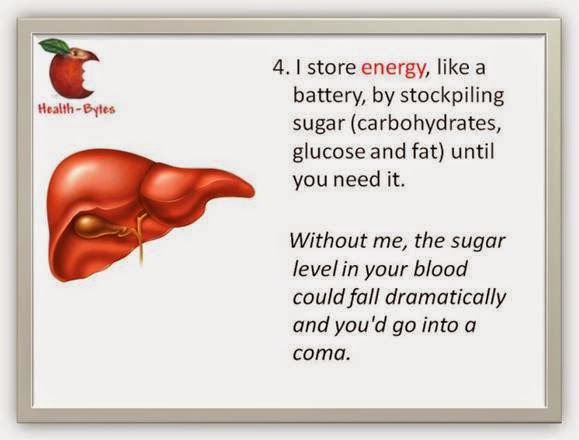
Care for Your Liver

Someone sent me these slides via email and I thought the message they contain is very centered on good health, especially for people like me who have systemic candida which can tax the liver with all the fungus in the body and the constant fight to purify the blood and clean out the fungus. Whoever put these slides together, kudos to you and thank you!

(unfortunately didn't receive slide #5)

Saturday, June 8, 2013

Deciphering the Numbers on Produce

What does the number on a fruit sticker mean?

This is a compilation of 3 online sources by RAW EARTH LIVING. Their goal was to uncover the meanings hidden in numbers in those little stickers put on produce in the US so that the consumer can KNOW what he or she is eating ... and if it has been genetically modified, sprayed or is organic.
———————————————————————————————————————–

If there are only four numbers in the PLU, this means that the produce was grown conventionally or “traditionally” with the use of pesticides. The last four letters of the PLU code are simply what kind of vegetable or fruit. An example is that all bananas are labeled with the code of 4011.

If there are five numbers in the PLU code, and the number starts with “8″, this tells you that the item is a genetically modified fruit or vegetable. Genetically modified fruits and vegetables trump being organic. So, it is impossible to eat organic produce that are grown from genetically modified seeds. A genetically engineered (GE or GMO) banana would be: 84011

Decoding Your Produce
7 out of 10 items in grocery store shelves contain ingredients that have been genetically modified. Fruit and vegetables do not come with nutrition labels but they do have stickers (PLU – Price Look Up code) which contain pertinent information. Price Look-Up codes, commonly called PLU codes, PLU numbers or PLUs, are identification numbers affixed to produce and other products in grocery stores and supermarkets to make check-out and inventory control easier, faster, and more accurate. The code is a four or five-digit number, identifying the type of bulk produce, usually including the variety.

Organic produce is denoted by a five-digit number whose first digit is 9 (e.g. 94011 for organic yellow bananas); an 8 prefix indicates genetically modified food. The codes have been in use since 1990, and currently, there are over 1300 universal PLU codes assigned.

Use of PLU codes eliminates the need for grocery store checkers to identify each variety of produce visually. This advantage is especially important with the growth of the organic produce market; for example, organic and conventional oranges may look the same but have very different prices.

So, next time you decide to purchase that apple or cut a slice out of that melon, consider the PLU sticker. This sticker will tell you whether the fruit was organically grown, genetically modified, or produced with chemical fertilizers, herbicides or fungicides.
PLU stickers with 4 digits and begin with a “3″ or “4″ - produce is conventionally grown. This means that this produce was sprayed with weed killers and chemical pesticides.

PLU stickers with 5-digits and start with “8″ - produce was genetically engineered (man intervened by manipulating the genes to produce a larger or brighter colored food). This produce may have been chemically treated.

PLU stickers with 5-digits and start with “9″ - produce was raised organically. You can be sure that this produce was not treated with any chemicals.
Price Look-Up codes are generally printed on small stickers or tags, and the glue used isn't supposed to be harmful to the body.

Examples: 4139 - conventional Granny Smith apple
94139 - organic Granny Smith
84139 - genetically modified Granny Smith
Another Example:
APPLES (4173) Variety: Royal Gala
Variety Info:
Type: Global
Category: FR
North American Size: 100 size and smaller
Rest of World Size: AFW = less than 205g
If you see other variations of code on your produce, you can refer to the following website and look up the PLU code as well as other information regarding this topic: http://www.fruitsticker.com. The PLU system is administered by the International Federation for Produce Standards, an affiliate of the Produce Marketing Association.

NOTE:  the adhesive used to stick the PLU onto the fruit is edible but the sticker itself is not.
COMMENT: having some origin coding would be great for seeing how far a particular fruit/vegetable traveled but that is something still hidden in our giant supermarkets.
~~~~~~~~~~~~~~~~~~~~~~~~~~~~~~~~~~~~~~~~~~~~~~~~~~~~~~~~~~~~~~~~~~~~~

This numbering system is also used in South Korea. My first awareness of this cultural transference was just a couple weeks ago when I saw a huge display of big fat lemons priced at 3/₩1,000 when usually the price is 3/₩2,000 or more much smaller lemons. I bought a whole bag full, and when I got them home, I noticed the number 4???, looked up the meaning online and found out I'd bought a bunch of chemically polluted lemons. I kind of figured that when I saw those cheap beauties, but now I'm wondering how those other lemons I've been buying are classed. Hah, I didn't realize this system was in Korea. I'm gonna teach EVERYBODY!
~~~~~~~~~~~~~~~~~~~~~~~~~~~~~~~~~~~~~~~~~~~~~~~~~~~~~~~~~~~~~~~~~~~~~

And now that the number labeling on fruits is somewhat clear, here is an example of the nutrition of organic and conventionally grown foods. And then just speculate how much less nutritional value is actually in GMO foods than that found in the conventionally grown produce..

Saturday, February 23, 2013

Tangy Avocado Dill Dip

Because I had a molar gouged out, according to the dentist it's very important that a person takes amoxicillin to combat the bacteria in teeth from relocating to the heart ... and killing the patient. I wasn't going to take the amoxicillin because it's an antibiotic and therefore a feeder of candida, but when I asked a friend who's very much into holistic health about it, she told me the same. I decided it might not be a bad idea to take the amoxicillin ... but I'm going to combat the chemical and bacteria toxins with LOTS and LOTS of enzymes. So even before I had the molar pulled, I started soaking lentil, mung bean, and a tiny black bean to make enzyme-rich sprouts for feeding my body, especially while it's undergoing so much medical stress.
 
 
And since sprouts need a little something to make eating large amounts of them very palatable, I whipped up a creamy tangy dressing, which turned out VERY YUM!


Tangy Avocado Dill Dip/Dressing
 
1 avocado
1 whole lemon*
1/2 - 1 cup water
1 thick wedge onion
1 stalk celery
2-4 garlic cloves
1/2 rounded teaspoon Himalayan salt
1+ tablespoon dill (fresh is best)

* If the lemon isn't organic, the peel should be removed in order to eliminate pesticide residue that gets trapped in the thick and rough-surfaced skin.

Put all the ingredients in the blender except the dill, adding the desired amount of water to make either a creamy dip or a smooth pourable dressing. Whizz the ingredients to a creamy blend. When blended smooth, add the dill and buzz once to mix but not pulverize the attractively dill-flecked dip. Serve.

Wednesday, January 9, 2013

Is Your Food Safe?

Researchers estimate that each year about 30% of people in developed countries suffer from foodborne illness. In poorer countries, foodborne and waterborne diseases kill millions - mostly children - every year. "In the markets here (Nigeria), food items are exposed to flies, rain, wind, and dust," says Bola, a concerned father. "When I read or hear about food diseases, I feel scared. I want to protect my family."

Is it possible to protect your family from unsafe food? The Canadian Food Inspection Agency states, "If unsafe food gets into our grocery stores, it makes headlines. And rightly so. But unsafe food, which could lead to foodborne illness, can also happen from what we do - or don't do - in our own kitchens." So what can we do to protect our families from foodborne illness? Four ways are considered here.


I. SHOP WISELY

♦ Plan your route
"Shop for non-perishable food first," advises the Food Safety Information Council in Australia. "Leave [items from the fridges and freezers to the end of your shopping." Also, if you are buying hot food, pick it up just before you return home."
 

♦ Favor fresh food
Try to purchase fresh food when possible, example, in many countries where an open market serves the people, shop early when fruits and vegetables are fresher. Also, shop local as fruits and vegetables did not have to picked green (unripe) in order to put them on a shelf many days later for you to pick over. Local markets cut back on transport time, and it is always a good idea to support your local farmers so that they will keep producing and making freshies available for you.

♦ Inspect your food
Ask yourself, "Is the skin on my produce intact? Is the meat free of unusual odors?" If the food is prewrapped, inspect the packaging. Damaged packages can allow poisonous bacteria to enter the food.
Chung Fai, who buys food at a supermarket in Hong Kong says, "It is also necessary to check the expiration date printed on packaged food." Why? Experts warn that even if 'expired' food looks, smells, and tastes good, it can still make you sick.

♦ Pack safely
If you use a reusable shopping bag or plastic bin, wash it out frequently with hot soapy water. Carry meat and fish in separate bins or bags so they do not contaminate other food.
Enrico and Loredana, a couple in Italy, shop locally. "That way, we don't have to transport food very far and risk spoilage." If it will take longer than 30 minutes to return home, put chilled or frozen foods into an insulated bag, or in some other way, make sure it is kept cool.

II. KEEP IT CLEAN

Just as a surgeon protects the patients by washing his/her hands, sterilizing the instruments, and maintaining a clean operating room, you can protect your family by keeping yourself, your kitchen and your food clean.
♦  Wash your hands
The Public Health Agency of Canada states that "hands spread an estimated 80% of common infectious diseases like the common cold and flu." So wash your hands thoroughly with soap and water before eating, after using the toilet, and when you prepare a meal.

♦ Keep you kitchen clean
One study revealed that while the bathroom tended to be the cleanest place in the home, "the sites in the households that were contaminated with the most fecal bacteria were the sponge/dishcloths in the kitchen."  Therefore, change dishcloths frequently, and use hot soapy water or disinfectant to clean kitchen surfaces. 


Before produce is sold, it may have been contaminated by unclean water, animals, fecal matter, or other raw food items. Therefore, even if you plan to peel fruits or vegies, rinse them thoroughly to remove harmful bacteria.

Separate raw meat
[For those who eat or use meat in their kitchen] To prevent the spread of bacteria, seal or securely wrap all raw meat, poultry, and seafood, and separate them from other food. Use a separate cutting board and knife for those foods, or wash your cutting board and knife thoroughly with soap and hot water before and after raw meat or seafood touches it.
 ♦ Rinse produce

III. PREPARE AND STORE FOOD CAREFULLY
A careless cook in ancient Israel gathered wild gourds although "he was familiar with them". He added the unfamiliar food to a stew, and the eaters, who feared the food may have been poisoned, cried out, "There is death in the pot." (2 Kings 4:38-41)

As the above example illustrates, food that is prepared carelessly warrants caution, as it can be harmful or even deadly. To prevent foodborne illness, therefore, learn to prepare and store food carefully.
♦ Do not thaw meat at room temperature
"Even though the center of the meat may still be frozen as it thaws on the counter," says the US Department of Agriculture, "the outer layer of the food could be in the 'danger zone', between 4C and 60C - temperatures at which bacteria multiply rapidly." Instead, thaw food inthe refrigerator, in a microwave, or under cold water in a package that will not leak.

♦ Cook thoroughly
According to the World Health Organization, "proper cooking kills almost all dangerous microorganisms." When cooking food, especially soups and stews, make sure that it reaches a temperature of at least 70C." Since it can be difficult to judge the internal temperature of some dishes, many cooks use a meat thermometer.

♦ Serve soon
Cooked food should not be left at room temperature for too long, so serve it soon, even immediately, to prevent spoilage. Keep cold food cold and hot food hot. You can keep hot meat in an oven set at approximately 93C.

♦ Handle extra food wisely
Serve food immediately and immediately after eating, store food that will be eaten soon in the fridge. Otherwise, packaging the food for better preservation and lower bacteria build-up for the freezer is a good idea.

IV. BE OBSERVANT WHEN EATING OUT
Case study: Jeff, a healthy and energetic 38-yr-old man, took his family out to eat at a restaurant near Pittsburgh, Pennsylvania, US. A month later, Jeff died of acute liver failure. The culprit? Green onions in his meal - contaminated with hepatitis A.

Almost half of all money spent on food in one Western land is spent in restaurants. Yet, in that same land, restaurant food is associated with about half the foodborne disease outbreaks. True - if you choose to eat at a restaurant where someone else purchases the ingredients, prepares the food and cleans the kitchen, life is very convenient, but you can make some healthful decisions when eating out - where you decide to eat, what you eat, and how you pack any food that you take home.
♦ Look around you
Are tables, tablecloths, utensils, and servers clean and tidy? If not, go elsewhere. In some countries, health officials routinely inspect and grade restaurants for cleanliness, and they post their results for the public to read.

♦ Beware of doggie bags
The US Food and Drug Association advises, "If you won't be arriving home within 2 hours of being served (sooner if temperatures are above 32C), don't take the leftovers home with you." If you have leftovers, go directly home after your meal and store them in the refrigerator.
This information comes from 'Awake!" June 2012 issue.


Saturday, May 5, 2012

Turmeric Rice Soup

This is another version of my Quick Vegie-Rice Soup. I just love the flavor of the soup broth and hit the jackpot on the soup being a "piece of cake" to make. Prep time, just 20 minutes! This recipe makes 2-3 big bowls ... but I can pretty much eat it all in one sitting if I don't make a flatbread to go with it.

Turmeric Rice Soup

2 tablespoon coconut oil
4 cups of water
1 medium onion, sliced thinly
5 cloves garlic, sliced or minced
1 big chunk ginger, shredded
1/3 zucchini, quartered and sliced thinly
2-3 stalks of celery, cut small
6 firm cherry tomatoes, cut in pieces
a chunk of cabbage
1 cup cooked brown rice
1/4 teaspoon cumin powder
3/4 - 1 teaspoon turmeric
thyme powder
rosemary powder
sea salt
In 2 cups of water add the coconut oil, onion and garlic and cook them till slightly tender. Add in the celery, zucchini and cabbage. When they are becoming tender, add the remaining water, brown rice and seasonings. Cook till the brown rice is heated through and vegies are lightly tender. Add in tomato pieces, turn off heat, and eat.

In appearance, this reminds me of some Thai soups I've had. The Thai use coconut milk (imflammatory to me), rice noodles (ugh, processed flours) and fish. Hmmm, might try some fish as a little treat in the future. Maybe some Thai lime leaves too or fresh lemon grass, or even slices of organic lemons or limes. Has to be organic. Lemons and limes are often color-sprayed as well as sprayed for pesticides, and both of these could make a person very sick.

Thursday, January 19, 2012

Soaking and Washing Nuts

Soaking toxins and mold off of nuts before eating them is absolutely important for the person with candida (even cancer for that matter as the liver in both groups is compromised and too inundated with bacteria and cell waste. I've read that the liver cleanses well over a liter/quart a minute! That puts a lot of cleansing demand even on the healthy liver!!!)

Since I've been following the soak and wash method for all my nuts, wow, I have been able to enjoy them again [principally almonds and walnuts, brazil nuts sometimes, and rarely for a treat, cashews]. So I bought a dehydrator for my family back in the States so my dad and my bro, who has nearly identical problems as myself, can also enjoy the clean, crunchy taste. Hurrah! After dehydrating the first batch, my dad started really chowing down on nuts [they are crunchy clean but break up much easier against his old teeth and dentures - which he loves - but the flavor is intensified and clean, which is wildly "nuts" about! So, he munches on them now instead of other sweet "goodies" and feels oh, so much better! I think the high protein in nuts has really helped him manage his Parkinson's tremors better; and btw, he was the first to say that :)

So, here's the method. The nuts first have to be washed in water until the water is colorless or debrisless. Walnuts are the nastiest nuts to wash, and will take several full immersions and rinses (10-15 times) to get clean. Almonds will color the water some but usually submerging and rinsing them at least 5 times will be enough. By the way, the almonds pictured below are the cleanest almonds I've ever washed. Usually the water is more discolored, sometimes murky even - and to think I used to make such huge demands on my liver by eating moldy, pesticide-packed nuts! [Also, because I want to eat my nuts with the highest enzyme count, I don't wash my nuts in water that is over 118°F - less is better - and the same applies for dehydrating them. I dehydrate at 115°F for usually 2 days, or until completely dry.]


The suggested soak time is as follows. The principal of soaking is to neutralize enzyme inhibitors in the skin of the nuts, particularly true of harder nuts like almonds, and to neutralize the phytic acid, which inhibits the absorption of minerals. Soaking also breaks down gluten [I want to study more about this] and facilitates the body in absorbing the vitamins. The harder the nut, the longer the soak time, and so here are some suggested soak times. For more info, read the Raw Food Living article although this article focuses on soaking nuts for sprouting, not eating immediately or dehydrating.


almonds ........... 8 - 24 hours
brazil nuts ....... 1 - 3 hours
cashews ........... 2 - 3 hours
flax seeds ........ 30 min - 6 hours
pumpkin seeds ..... 4 - 6 hours
sunflower seeds ... 4 - 6 hours
walnuts ........... 2 - 4 hours

Oversoaking, especially the white skinned nuts like cashews, macadamias, Brazil nuts, walnuts, make the nuts mushy and gross. Also, pour off the polluted soak water if making food with the soaked nuts or seeds - yes, the water is tasty, esp almond water, but it's loaded with nasty toxins, so throw it out!


After soaking the nuts for the proper time, pour off the water and rinse the nuts until the water again comes off colorless. [Using the same process for beans to be cooked in a slow-cooker equally applies.] Then, put the nuts to dry on drying racks in a dehydrator. Dehydrating will take about 2 days on 115°F, but of course the amount of time depends on how many dryer racks are filled. Once dried, store nuts in fridge to prevent mold reappearing and to maintain their now fresh, crunchiness! If not oversoaking or drying at high temperatures, you should have nuts rich in their respective Omegas 3 - 6 - 9 and full of vitamins and minerals that the body can more easily absorb.

Here's a pretty good guide to help with knowing how long to soak the specific nuts: