Friday, March 14, 2014

Making Raw Dressings Creamy

I'm really trying to eat a lot of sprouts as they are so rich in enzymes and nutrients and really boost my overall immune system while loading me up with energy. Those are some of the great positives, but the downside of eating so many sprouts is they get rather b-o-r-i-n-g and need some enhancing. I'm learning though on how to make dressings to give them a little lift.


Until now, I've eaten a lot of lemon and olive oil based dressings. In fact, they are my standby and I always have one made up in the fridge to drizzle over a quick salad or occasionally over steamed broccoli.  

Experimenting with Creamy Dressings

At the moment I'm experimenting with creamy dressings, but they take a little more creativity, especially as cashews, the ultimate for making a cream sauce, are moldy by nature and therefore are inflammatory.

So far, I've found a few key ingredients to make different kinds of creamy dressing : with sunflower seeds, with macadamia nuts (expensive), with gently blended zucchini or yellow squash (can become watery though), and with daikon, turnip, or parsnips (unfortunately, as root veggies are loaded with starch and therefore breakdown quickly into sugars, they are still no-nos to me).


This dilly cream sauce turned out beautifully in consistency, but needs a little tweaking with amounts before I post the recipe. The consistency was wonderful, however, and the creaminess was not watery the next day as most things are with cucumbers blended in them. Anyway, the ingredients were sunflower seeds, cucumber (for moisture), onion, garlic, fresh dill and salt.


I loved the dill flavor in this! Almost have a great recipe figured out!!!

Wednesday, February 12, 2014

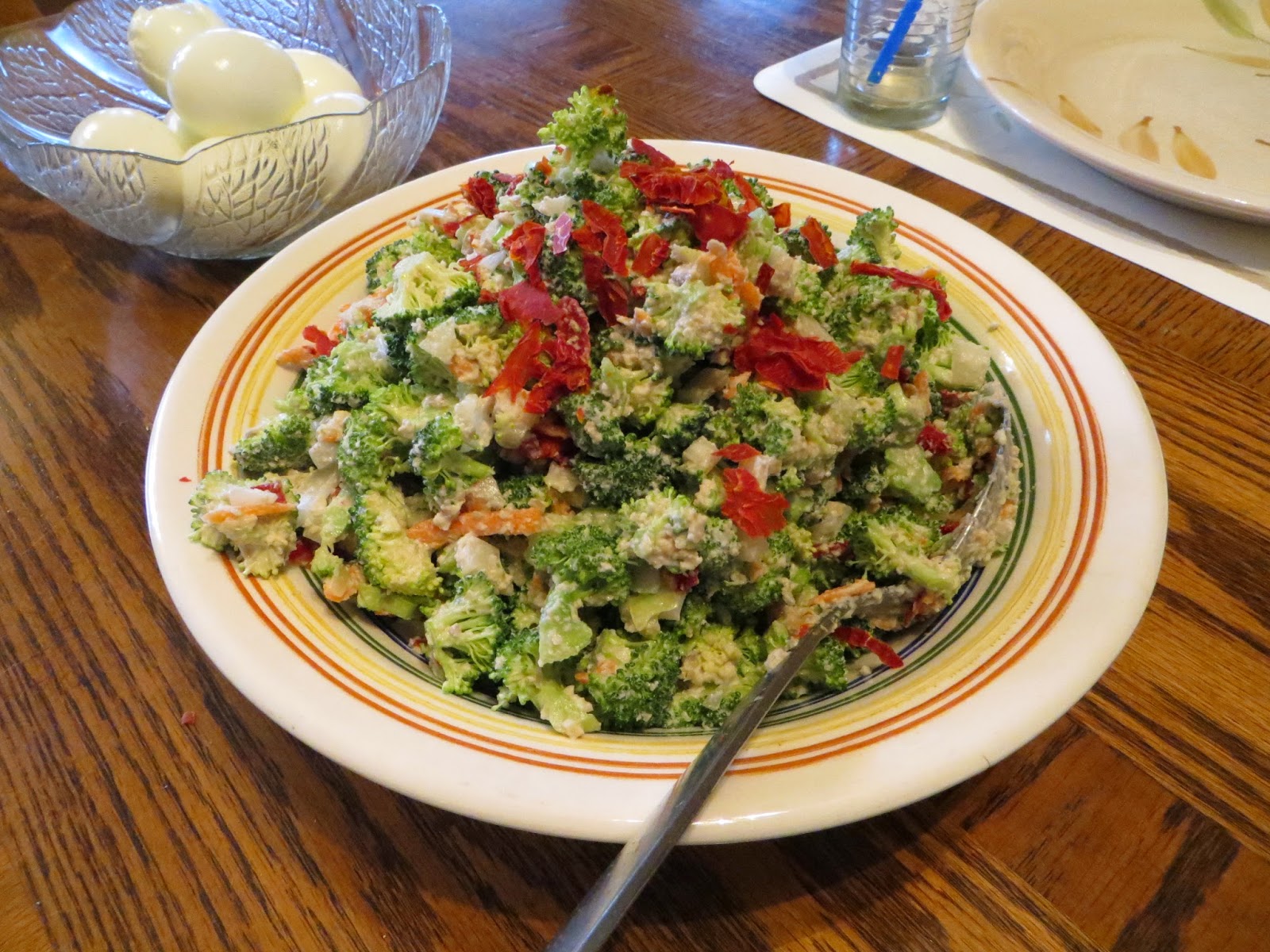
Creamy Broccoli Salad (raw)

Salad: 
5-6 cups broccoli pieces (bite size)
1-2 carrots shredded
1 medium sweet onion diced 
Creamy Dressing: 
4" daikon radish
1 cup sunflower seeds, soaked and drained
3 cloves garlic
2-3 T. fresh lemon juice
1 wedge of onion
1/2 heaping t. sea salt
black pepper (optional)
water as needed
For the core of the salad, cut up the broccoli and onion and shred the carrots and dump in a large salad bowl. For the dressing in a high-speed blender add all the dressing ingredients and whizz them to the desired consistency to pour over and mix into the salad. For those being particular with root veggies because of candida reacting to high amounts of starchy root veggies, replacing the shredded carrots with dried tomato flecks and chopped up yellow pepper or other substitutes will work to reduce the "sugar" intake. With raw food recipes, options are nearly endless!


garnished with home-sun-dried tomatoes

Tuesday, January 21, 2014

Wheat Grass and Barley Grass

I've benefitted a lot from juicing, but have to say it takes tons of time. Because of my ultra-tiny apartment I don't grow wheat or barley grass to juice, but instead juice cucumbers and juice leafy vegies. I have to say, I really have energy on the days I drink my power juicy vegie-drinks.


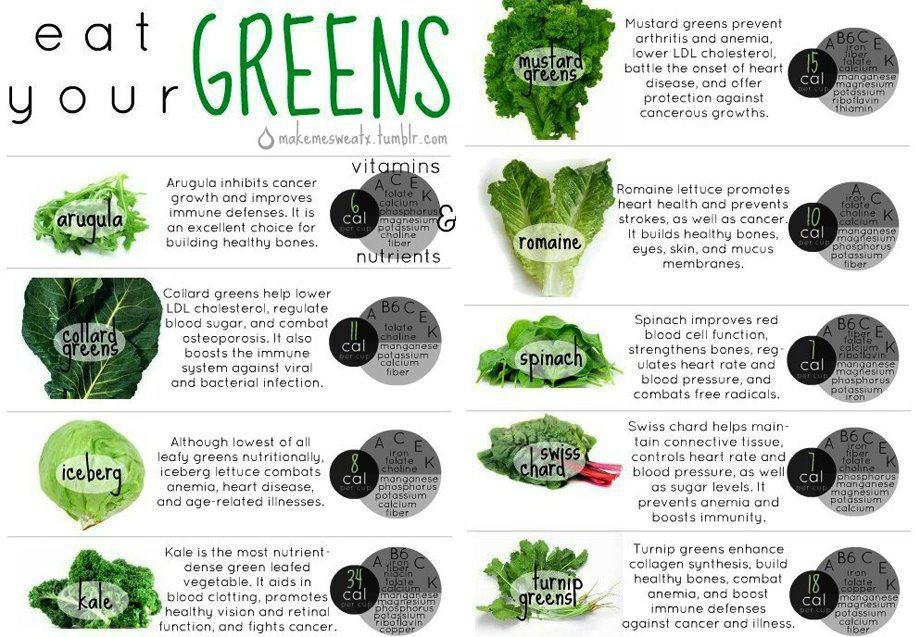
And other greens -- very useful info!


Wednesday, January 1, 2014

Gluten-free Steel-cut Oats (breakfast)

(serves 3) 
1/2 cup gluten-free steel-cut oats
2 cups water (more as needed)
1/3 t. sea salt
1 Granny Smith apple, diced (added after the oats have nearly cooked) 
Dried fruit compote sauce: (dried fruit not for people with raging candida)
4-5 dried apricot halves/slices
handful of raisins and/or dates
almonds
walnuts
1 cup of water (or as needed)
dusting of cinnamon
dash of cloves 
Not all oats are gluten-free and the steel-cut oats have less dust and are easier on the GI track. (The dust I think from the typically Quaker oats bother me - specially the dust or something like that seems to tickle my chest in the lung area.
I specified the Granny Smith too as it is the lowest-glycemic apple I know about, and for people with systemic candida, the less "sugar" - natural or otherwise - the better. 
Dried fruit is concentrated sugar. People with candida must avoid this. If people with candida eat fruit, let it be fresh fruit that is filled with living enzymes and is not concentrated sugar. This fruit compote is for my parents.
The only problem with cooking steel-cut oats is that it really ... takes ... forever ... to ... cook. On average, a pot like this cooks for 45 minutes as opposed to 5-8 minutes for Quaker quick oats. This is a lot better for me though.
Fruit compote put on a low simmer so the fruit will become reconstituted.
My bowl of steel-cut oats served with whole frozen cranberries.
Mom and Dad's bowls of steel-cut oats served with compote, which my Dad is wild about!

Friday, December 13, 2013

Underactive Thyroid?

By Donna Gates, Body Ecology

What Role Does The Thyroid Play?


The thyroid gland is a small butterfly shaped gland that sits just below the thyroid cartilage. The hormones secreted by the thyroid help to regulate heart rate, maintain healthy skin, and play a crucial part in regulating your metabolism.

The thyroid also works to:
  • Lift your energy
  • Regulate your core temperature and warm your body
  • Activate your immune system
It can also tell the body to slow down. Sometimes the thyroid slows down so much that it becomes underactive. This is what is known as hypothyroidism. When this happens, the thyroid gland does not do its job, and the whole body suffers as a result. As common as hypothyroidism is, the detection and treatment of it are getting a second look by doctors.

What Symptoms Does An Underactive Thyroid Produce?


When the gland is sluggish (hypothyroidism), your body will give you some fairly obvious signs.
Some common signs include:
  • Edema, or swelling in the legs, arms, or face
  • Abdominal weight gain
  • Cold hands and feet. Also, check if the nail beds are overgrown with fungus
  • Increased susceptibility to the common cold and flu. Or, a respiratory infection that hangs around for months
  • Dryness, which shows up in loss of hair, brittle nails, constipation, and achy joints

What Does It Mean When Your Symptoms Persist?


  • You still feel like there is something wrong with your energy levels and basal body temperature?
  • You continue to lose hair and gain abdominal weight?
  • You begin to feel better and then start to feel just as crummy as before the medication, even though you now take it religiously?
  • Do you feel like you're always the first to catch a cold? An increased susceptibility to the common cold and flu is one possible sign of an underactive thyroid.

5 Clues That May Indicate Your Thyroid Is Underactive


Doctors are now investigating why thyroid tests may appear normal, but the thyroid itself may still be dysfunctional. Seeing a pattern will help you determine if your thyroid medication is properly treating an underactive thyroid, or if more diagnosis is necessary.

1. Edema, which is the abnormal accumulation of fluid beneath the skin. The edema that occurs in hypothyroidism is the “non-pitting” form of edema.
  • “Non-pitting” means: You press your finger into the flesh, and it bounces right back and leaves no mark.
  • This is called myxedema, which is specifically associated with low levels of thyroid hormones.
  • Myxedema is swelling of the arms, legs, and face.

2. There is persistent weight gain, especially around your torso, that you just can’t lose no matter how frugal you are with calories.

Dr. Roby Mitchell tells us that thyroid hormones help insulin move glucose from blood into the cells. “When thyroid levels are low, more insulin is needed to maintain normal glucose. More insulin means more fat cell hyperplasia, which shows up as increased fat deposition.” The adrenals lose strength when the thyroid is underactive, which also slows down metabolism.

3. Cold hands and cold feet may mean lack of blood flow.

Lack of blood flow to the extremities, like your hands and feet, can also show up as chronic fungal infections. This is because the essential nutrients carried in the blood do not reach the extremities as frequently. Low thyroid activity is associated with too much homocysteine - an amino acid associated with heart disease, poor blood flow, and stiff vasculature.

4. Nagging infections could point to an underactive thyroid.

Dr. Mitchell points out that because beta-carotene depends on thyroid hormones in order to convert into vitamin A, beta-carotene can build up in the body and cause yellow skin, especially in the hands. The official name for this is called carotoderma.

Vitamin A plays an important role in immune system health. What happens when the body cannot convert beta-carotene into vitamin A? The body may become more susceptible to infections, or it simply may not have the strength to kick a bug.

5. Excessive hair loss, painful joints, and other signs of dryness.

Iodine and Thyroid Function


Because there are so many pathways to an underactive thyroid, including autoimmune hypothyroid, be careful when supplementing with iodine. Iodine, while central to the production of thyroid hormones T3 and T4, can actually make some hypothyroid conditions worse. This is because iodine speeds up the production of a thyroid enzyme. If the body has developed autoimmunity to this enzyme, which happens in the case of Hashimoto’s thyroiditis, then this will increase the inflammatory cascade.
  • Iodine is not a cure-all.
  • Diagnosis, knowing the mechanism responsible for an underactive thyroid, is paramount.
Using iodine to address a thyroid condition does not take into account autoimmune hypothyroid. It also does not address diet or lifestyle, which can make a tremendous impact on thyroid hormone levels.

Testing for Hypothyroidism Can Be Tricky


A major issue has erupted in the medical community. Many doctors are now disagreeing over what tests should be done to check thyroid function. Traditionally, TSH, Thyroid-Stimulating Hormone that is released from the pituitary gland in the brain, would be checked along with the two thyroid hormones it produces, T3 and T4.

However, it has become commonplace to only test for TSH, and that is only one part of a very detailed picture. There are many other mechanisms at work in thyroid health.
For example, healthy thyroid activity relies on:
  • Stable levels of other hormones, like estrogen and progesterone. Too much estrogen, such as from the birth control pill, will create too many thyroid-binding proteins.
  • A healthy immune system. Autoimmune hypothyroid can be missed by TSH blood panels.
  • Beneficial bacteria in the gut. Antibiotics wipe out these good microbes, which account for around 20% of the conversion of T4 to usable T3. (1)
  • An uncongested and healthy liver. The liver converts over half of T4 from the thyroid into usable T3.
  • Good adrenal function. Adrenal fatigue can slow down the function of the pituitary and hypothalamus in the brain. These three glands are a part of what is called the HPA axis (hypothalamus-pituitary-adrenal axis). An alert and healthy pituitary is essential for good thyroid function.
Clearly, with so many pathways available for the production and conversion of thyroid hormones, there are a lot of opportunities for something to go wrong.

Many people are diagnosed with this condition and given thyroid medication. Sometimes, this medication will show improvements in lab analysis as hormone levels fall into normal range. But many people still have symptoms.

Tips For Treating An Underactive Thyroid


  1. Work with a qualified health care practitioner
  2. Populate your gut with good microbes. Remember, gut flora convert 20% of T4 into usable T3! Eat fermented foods and drink probiotic beverages with every meal!
  3. Regulate your immune system
  4. Address any blood sugar imbalances
  5. Diet and lifestyle can drastically affect your adrenals, the HPA axis, and the health of your thyroid; does your current diet and lifestyle support a healthy thyroid?
This article was taken in its entirety from Food Matters.

Wednesday, November 20, 2013

You ARE What You Eat!

image source
Dan and Sheila Gendron, Contributors


(This article has generated a lot of attention, testimony to this is the times it has been cut and pasted, as in this blog too!)
___________________________
First of all, let me say here that we are not offering medical advice. The information here is simply our opinion, based on our own research and experience.

If you are wondering how it has been so easy for TPTB to have turned the overwhelming majority of American population into sheep who believe everything they are told and comply with outrageous demands and actions, it is partly because they have for decades been replacing our good, healthy, natural foods with foods laced with poisons.

Why would anyone take pleasure in adulterating the food supply? Try this theory – if TPTB can make the masses believe that the cheap crap they get fed (butter substitutes from hydrogenated oils, sugar substitutes, flavor substitutes, etc.) is actually good food, then the less the peons need to have money and the more money is available for TPTB to harvest.

The assault has been revved up in the recent past with MSGs (monosodium glutamates – of whatever name they call it, and there's a list a mile long), HFCS (high fructose corn syrup), Artificial Sweeteners, GMO (genetically modified organisms), Canola Oil, Hydrogenated Oils and emasculating Soy products among the worst, as well as fluoride in the water.

Do some research yourself on these, but here are the highlights of what we have learned:

MSG – is an excitotoxin, which speeds up the body's absorption of other toxins, like mercury. It is addictive, so that your body craves more of the foods containing it, whether those foods are nutritious or not.

ALL of the list below are types of MSG or contain MSG:
  • Glutamate
  • Glutamic Acid
  • Monosodium Glutamate
  • Monopotassium Glutamate
  • Yeast Extract
  • Yeast Food
  • Yeast Nutrient
  • Autolyzed Yeast
  • Autolyzed Yeast Extract
  • Torula Yeast
  • Autolyzed Soy Protein (any protein that is autolyzed)
  • Hydrolyzed Protein (any protein that is hydrolyzed)
  • Hydrolyzed Whey Protein
  • Hydrolyzed Pea Protein
  • Hydrolyzed Corn Protein
  • Hydrolyzed Corn Gluten
  • Calcium Caseinate
  • Sodium Caseinate
  • Textured Protein
  • Textured Vegetable Protein (TVP)
  • Natrium Glutamate (natrium is Latin/German for sodium)
  • Gelatin
  • Carageenan
  • Malt Extract
  • Malt Flavoring
  • Barley Malt
  • Maltodextrin
  • Soy Protein Isolate
  • Soy Sauce
  • Soy Sauce Extract
  • Soy Protein
  • Soy Protein Concentrate
  • Bouillon
  • Broth
  • Stock
  • Spices* (may contain between 30% to 60% MSG)
  • Natural Beef Flavoring
  • Natural Chicken Flavoring
  • Natural Pork Flavoring
  • Ultra-Pasteurized
  • Whey Protein
  • Whey Protein Isolate
  • Whey Protein Concentrate
  • Protein Fortified Anything
  • Flavor(s) & Flavoring(s)* (may contain between 30% to 60% MSG)
  • Natural Flavor(s) & Flavoring(s)* (may contain between 30% to 60% MSG)
  • Pectin
  • Protease
  • Protease Enzymes
  • Enzymes Anything
  • Anything Enzyme Modified
  • Anything Protein Fortified
  • Anything Fermented
  • Seasonings (the word “seasonings”)
  • Fish Sauce Extract
HFCS – besides the corn from which it is made being GMO, these super sugars wreak havoc with the pancreas, speeding the road to obesity and Type II Diabetes.

Artificial Sweeteners – Aspartame, Sucralose, etc. all fool your pancreas into acting as if you really ate sugar. It sends out extra insulin to gobble up the sugar that is actually in your blood, causing you to be more hungry when your sugar levels dip. So instead of helping you lose weight, it can cause you to eat more.

GMO – yes, these do affect your genes as well! See the video, Genetic Roulette. Canola Oil – was first developed as a cheap machine oil. It has been shown to scar arteries and is made from a GMO “rapeseed” plant, which was originally used to keep deer away from other crops. Canola is short for Canadian Oil Co.

Hydrogenated Oils – this is a process in which natural oils are mixed with water to the point that the fat cells are broken down so that they actually emulsify with the water molecules. The detrimental effect is that now those fat cells can be absorbed through the intestines and get more fat and cholesterol into the bloodstream. This is also true of Homogenized milk. Milk is splatted against a steel wall so that the fat breaks down to be evenly distributed throughout the milk (hence, no more cream at the top of the milk carton). Again, this makes it easier for the fat to get into the bloodstream.

Soy Products – virtually all soy is GMO and soy raises estrogen levels – in men as well as women.

Fluoride – fluoride is a toxic waste product of the aluminum manufacturing process. “Hey, why not feed it to the people! Let's put it in their water! After all, it's only a heavy metal and would go straight to their brains!”

Caring about what you eat is now classified as a mental illness – “orthorexia”. We knew someone who was a cook for one of the “elite.” He told us that his boss would eat NOTHING that wasn't grown on his own farm (meats included), and that this was the case with all of the other “elites” he was in contact with. But if one of the “peons” cares about what they eat, they are labeled a kook and told to take Prozac.

All we know is that since our family is more careful to eat as little of these detrimental foods as possible – we spend hours reading labels before we buy anything – we feel better, are healthier and have more vitality than before and our minds are sharper.

Speaking of reading labels, don't let a big splashy “Organic” on the front of a package fool you. It is now legal to call a food “organic” if only ONE ingredient in that food is actually organic! Foods that are labeled “organic” can contain any of the above foods to avoid as well, again, as long as ONE ingredient is truly organic. Bring your glasses to the grocery store and READ THE LABELS!

Unfortunately, it is IL-legal to mark non-GMO foods as such. According to the government, it would be unfair to the producers of GMO foods to let the consumer know what they are about to eat. Heaven forbid they give the consumer a fair choice!

Regarding eggs, having your own chickens is the ultimate, or at least buying farm fresh eggs in smaller, local markets. Commercial eggs can be 3 months old before they get to the grocers' shelves, and can contain high levels of salmonella, listeria and e-coli.

A word about the new onslaught into the marketplace of “freeze-dried storage foods” for survivalists... Please read the ingredients of those foods and compare them to the lists above. Some may say “No added MSG”, but that doesn't mean they don't contain MSG. Also, with the amount of soy products they contain and at least 85% of soy being GMO, it's hard to believe it when they tout their products as “NO GMO”. “Single-syllable” storage foods – wheat, rice, beans, etc. – are still the best way to go.

Our diet consists mainly of whole, organic grains (wheat that we grind into our own flour and brown rice), proteins from lentils and beans, farm fresh eggs from our own chickens, sea salt, raw sugar and vegetables from our own garden. We do eat meat occasionally.

For most of you, eating nutritious food that you prepare yourself will be a new experience. Because you will actually be eating food that contains nutrients your bodies need and not just empty calories, you will find that you have to eat less to be satisfied and will lose some weight in the process.

Read other articles by Dan and Sheila HERE.

Dan & Sheila are the authors of Surviving Survivalism – How to Avoid Survivalism Culture Shock, and hosts of the free podcast, Still Surviving with Dan & Sheila. For questions about space in their Intentional Survivalist Community or other survivalist issues, they can be reached at surviving@lavabit.com

Tuesday, October 22, 2013

The Autoimmune Protocol

I find this article particularly interesting as it points to the fact that the medical world tends to isolate the autoimmune diseases when, however, they really should be considered together as they all are the result of rewritten DNA which causes the body to attack its own tissue. Also, autoimmune diseases all stem from deficiencies and/or bacteria, and of course the bacteria runs wild because of the deficiencies ... causing a giant chain reaction to ensue, therefore, the importance of having a "protocol" to treat the deficiencies AND the bacteria to reduce or eliminate the attack.

A very insightful article, but I do want to point out that I do not endorse the supplements listed here. My take on supplements, unless they are in their most natural whole and living form, which 97% of the supplements aren't but are chemical creations by pharmaceutical companies, is that they add to the chemical load in the blood, which the liver has to clean, causing further stress to the liver. I promote careful selection of whole foods, oils in their natural state like in the nut or avocado, and eating as much raw as possible to load the body up on enzymes which support digestion, metabolism, etc. In any regard, the following article has some good insights and discussion of vitamins and minerals needed to support a healthy immune system and to counter-respond to the autoimmune attack. 

It is not ironic at all that autoimmune protocol is very similar to protocols for eliminating systemic candida from the body, especially as untreated candida bacteria is clearly a route to an autoimmune disease. Entries I've already written related to the this connection are: Infectious Diseases: Candida Species, Daily Candida-expunging Protocol, Biamonte Ctr - Treating Candida, part I, Biamonte Ctr, Treating Candida, part II, and a very interesting entry, The 5 Stages of Candida, as well as a few entries indirectly connected too.

The Autoimmune Protocol by Regerative Nutrition

Introduction

Autoimmune diseases result from the body's immune system being incorrectly activated to defend against organs, tissues or substances that are naturally present in the body. These body components are attacked by the immune system as if they were bodily invaders. Essentially, the body attacks it's own cells. There are many different autoimmune conditions (over 100), just like there are many cancers, however unlike cancers, each autoimmune condition tends to be individually named and treated as a singular condition rather than grouped together under the auspices of "autoimmune". Regardless of what organ or part(s) of the body come under attack (and hence the name given to the condition) there are common underlying contributing factors with all autoimmune diseases. It is these underlying factors that we seek to address. The purpose of this article is to provide a broad, stepped, approach to dealing with the underlying factors of autoimmune conditions. We also provide recommendations that are specific to many autoimmune conditions, these recommendations can be found in the health conditions list here, but these recommendations are made for support of the main protocol detailed here, not in place of it.


Natural Vitamins & Minerals

Autoimmune conditions include but are not limited to:


Lupus, Type 1 Diabetes, Scleroderma, Celiac, Multiple Sclerosis, Crohn's Disease, Autoimmune Hepatitis, Graves' Disease, Myasthenia Gravis, Myositis, Antiphospholipid Syndrome (APS), Uveitis, Polymyositis, Raynaud's Disease, Demyelinating Neuropathies, Osteo-Arthritis, Rheumatoid Arthritis (also the rarer forms of arthritis e.g. Reiter's, Behcet's and Sjogrens Syndromes), Ankylosing Spondylitis, Migraine and cluster headaches, Carpel Tunnel Syndrome, Fibromyalgia, M.E. (Chronic Fatigue Syndrome), Asthma, Psoriasis, Macular Degeneration, Hypertension, Sciatica, Prostrate Inflammation, Emphysema, Cystitis (especially Interstitial Cystitis) and all inflammatory bowel diseases.
Many other chronic health disorders are increasingly being recognized as having an auto-immune component, including diseases traditionally recognized as 'degenerative' such as Alzheimer's and certain Circulatory Disorders.

The underlying causes of autoimmune diseases

1. Infections known and unknown
Infections of various types, known and unknown (but usually Candida Albicans overgrowth) contribute to auto-immune disorders. Eliminating these chronic infections, even if you don't know they are there, is essential to achieve freedom from or at least amelioration of auto-immune disorders.

2. Heavy metals and other toxins
After infections, the most important and prevalent underlying cause of autoimmune disorders is body toxicity (heavy metals, pesticides etc).

The Autoimmune Protocol 

Step 1 :  Essential supplementation for Support through the stages of elimination
It is beneficial to start with these remedies as the first step, as they will calm the immune system before you start on the elimination of underlying causes. By calming the immune system initially one should be more able to tackle the requirements of the coming stages of elimination. These remedies should be maintained throughout all steps of the programme. We suggest that these be introduced at least 2 weeks before you proceed with Step 2, longer if after 2 weeks you are not yet responding and demonstrating a noticably calmer immune response.

Step 1 should also include one of the anti-infection remedies from Step 2. We suggest that Iodine be selected, as you will use this throughout all 4 steps.

Step 2Dealing with the underlying infection(s)

We have complete information on dealing with infections in our separate article here.
In brief, this article suggests the use of the following specific anti-infection remedies/supplements:-
Supporting the action of these above remedies is dealt with in Section 1 of the article which relates to boosting the immune system. In brief, this article suggests the use of the following remedies/supplements:-
Note: Remember to continue with the Step 1 remedies throughout this step.
There are some additional measures that can be taken in dealing with Candida Albicans overgrowth. Please see the full article here.

Note on Iodine: this should be continued after the completion of step 2, as it has a continuing role in immune system function. For more details of its use in this regard see Step 4 below, where you may wish to replace or enhance the Lugol's solution with Seagreens, another source of Iodine with the additional benefits of many nutrients and trace elements.

Step 3 Dealing with the underlying toxicity

We have complete information on dealing with heavy metal toxicity etc. in our separate article here.
In brief, this article suggests the use of some of the remedies you will already be using at this point with one additional remedy/supplement:-
Deep Cell Detox is a combination remedy, consisting of Seagreens, MSM, Alpha Lipoic Acid and Acetyl L Carnitine.

Note: Remember to continue the Step 1 remedies throughout this step and the Iodine from Step 2.

Step 4 Normalising and supporting the immune system

Research suggests that the three most important, identifiable, components for immune system integrity are Vitamin D, Iodine and Vitamin C. It is commonly believed, by researchers, that deficiencies in these three immune system essentials are widespread, to the point that the vast majority of people living in northern climates are significantly deficient. In addition, Zell Immunocomplex is an essential broad-acting nutritional remedy for rapidly creating a competent immune system. Seagreens is a useful but non-essential add on to the protocol at this point. It can be introduced to either replace or supplement the Iodine.

By the end of Step 3 you will already be using all 4 of these supplements. At this point, these 4 are all you need, however for continuing improvements to your overall health we would suggest that as a minimum you adopt the Core Regime Essentials, better still the full Core Regime.