Showing posts with label immune system. Show all posts

Sunday, December 22, 2019

Toxic Overload and 13 Ways to Detox Naturally

Feeling lethargic, not up to your old self, perhaps getting sick easily or experiencing depression? Maybe a serious look into detoxing might offer some relief or refresh your system. The following article was taken from The Candida Diet blog, and obviously it was written specifically for people with candida. That said, the article extends to anyone wanting to purge the buildup of excessive chemicals and environmental toxins we are all exposed to through just daily living, food shopping and consuming, and simply moving around in our environment.
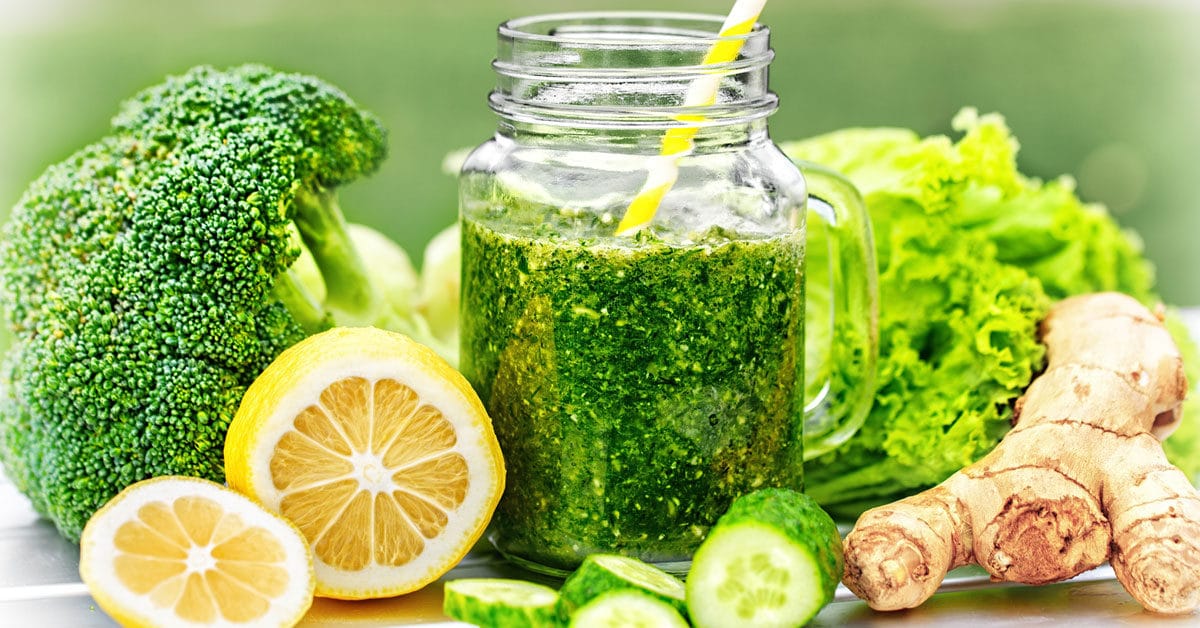
Three easy ways to detox naturally


13 Ways You Can Detox Naturally


Today’s modern lifestyle is a minefield of toxins. There are chemicals and pollutants in our air, our food, our drinking water and even the products we apply to our skin. Although there are ways to minimize the amount of toxins we encounter, the truth is that they’re almost impossible to avoid completely.


Unfortunately, these toxins can have a catastrophic effect on your body. Everyday toxins accumulate in the body over time, building up to dangerous levels. They’re absorbed by your cells, muscles, and soft tissues. Eventually, they weaken your entire immune system.

Research has shown that chemical pollutants can suppress normal immune function, increasing your susceptibility to infections and diseases. Considering 70 percent of your immune system is in your gut, this increases your susceptibility to pathogenic bacteria, fungi and yeast – such as Candida overgrowth.

The good news is that there are many ways to detoxify your body naturally, through diet, supplements, and your daily habits. Make these techniques a regular part of your daily lifestyle and you’ll be on your way to a toxin-free, healthier you!

Natural Detoxification Through Diet

Here are some simple, detoxifying changes that you can make to your diet today.

1.  Increase your water intake

Water helps flush toxins out of your body in the form of sweat, tears, and urine. Choose pure, filtered water from a safe source.

2.  Cut the sugar

Sugar not only increases calorific intake, but can cause inflammation and feed candida. Artificial sweeteners are no better – they’re also toxins!

3.  Eat organic

Many commercially-produced fruits and vegetables contain dangerous pesticides and chemicals, while meats contain antibiotics and hormones. Organic food has more nutrients and fewer pesticides.

4.  Cut processed foods

These often contain preservatives and artificial flavorings that are not only toxic, but increase your appetite.

5.  Add fermented foods and drinks to your diet

These are an excellent source of probiotics which help fight pathogens and yeast. Probiotics also strengthen the immune system, and improve digestion and detoxification.

Sauerkraut is a good source of calcium glucarate, a powerful detoxifier. Research has shown that calcium glucarate helps prevent cancer of the breast and colon.

Natural Liver Detoxification

The liver is the largest organ in the body. It’s also the organ primarily responsible for detoxification: flushing out the various toxins we encounter in our diet, lifestyle and environment. Every one of our body systems is dependent on the liver for ‘cleaning’ the blood of impurities.

The more toxins we ingest, imbibe, and encounter, the greater the burden on the liver. Signs of an overloaded liver include fatigue, headaches, digestive issues, skin problems, and weakened immune function.

A number of supplements can support liver function, including:

6.  Milk thistle

This herb is famous for its active ingredient, silymarin. Silymarin is an important antioxidant and nature’s very own liver nurse. It supports and protects the liver by optimizing liver function and detoxification as well as repairing damage done to liver cells caused by disease, alcohol and drugs.

The active ingredients in milk thistle act like your liver’s own personal gatekeeper. It binds to the outside of the liver cell and when toxins enter the body, it fends them off by blocking entry to the liver cell.

Silymarin also takes care of toxins that have already found their way into the cell, seeking them out and neutralizing them. Neutralized toxins are then either removed from the bloodstream or converted into water-soluble forms which can be sent out of the body as harmless waste (through the bowels, in your urine or in sweat).

Clinical studies have shown that these mechanisms help to maintain liver health and significantly reduce the risk of long-term liver damage.

7.  Molybdenum

Molybdenum is a mineral naturally present in many foods. It’s especially important to the liver in flushing out toxins.

Molybdenum is required for helping the body make several detoxification enzymes, including aldehyde dehydrogenase and aldehyde oxidase. These enzymes work to neutralize acetaldehyde, a harmful metabolic byproduct of alcohol, yeast and fungi.

Candida overgrowth often leads to an excess of this neurotoxin, causing it to build up in the blood, liver and other tissues. This seriously burdens the immune system.

Molybdenum also helps the body synthesize enzymes that oxidize the sulfites in preservatives, as well as neutralizing toxins involved in protein metabolism. In addition molybdenum is involved with expelling excess copper from the body and preventing dental cavities caused by minerals stored in tooth enamel.

Most importantly, molybdenum also helps rid the body of toxins that accumulate when Candida yeast cells die. The die-off process (or Herxheimer reaction) can deplete molybdenum stores very quickly, so it’s important to replace them during your detoxification.

Look for a supplement that contains molybdenum glycinate, as this is the most bio-available and best-tolerated form. A good example is Liver Support by Balance ONE.

8.  Pantethine

A derivative of vitamin B5, pantethine is vital for healthy detoxification. Pantethine also benefits Candida sufferers by supporting healthy metabolism, particularly when it comes to breaking down acetaldehyde. Acetaldehyde is a nasty chemical that affects your metabolic, endocrine, neurological and immune systems. It’s produced by the Candida yeast during your Candida infestation, and it is also released by yeast cells during die-off.

Pantethine helps to flush this poison from the body by working with other bodily functions that make co-enzyme A, a nutrient required for metabolic function. Acetyl Coenzyme A is the active form of pantothenic acid, and it is formed when coenzyme A combines with the acetate in your cells.

Regular intake of pantethine can lower overall acetaldehyde levels in the body. A study in Japan showed that the pantethine prevented a rise in blood acetaldehyde in people who had ingested alcohol. 

Natural Detoxification Habits


9.  Go Chemical-Free

Reduce the toxic load on your body by switching to organic, natural personal care and household products. Natural alternatives to chemical-laden products are now widely available and better for the environment, too!

Another great tip is to make sure that you air out your house regularly. Try to open a few doors and windows on a regular basis. That fresh air will help to eliminate the VOCs that are off-gassed by carpets, furniture and paint.

10.  Reduce stress

You can’t avoid all of them, but you can learn to manage them more effectively. Daily exercise such as jogging or yoga is a good start, as is mind-body exercises such as deep breathing. Stress can directly affect your digestive system.

11.  Exercise

Exercise activates your lymphatic system and increases the level of oxygen in your bloodstream. This helps to optimize immune function, reduce the Candida colonies in your gut and boost digestive transit time.

12.  Sauna

Sauna treatments increase body temperature, which restricts the survival of viruses and other pathogens. Saunas can also help to increase blood circulation, which oxygenates your cells and assists the removal of toxins from your bloodstream. Not only that, a sauna will open your pores and keep your skin’s elimination pathway running smoothly. Sweating helps to remove toxins and can help to relieve some of the symptoms associated with Candida.

13.  Skin Brushing

This helps to clear away toxic metabolites by stimulating the lymphatic system. Firm but gentle brush strokes across the skin will boost blood circulation, allowing for faster elimination of toxins. Use a brush with natural bristles and start from your feet. Use slow, gentle, circular movements and move up your body, brushing towards your heart.

Detox Yourself of Candida – Everyday


Detoxification is one of the most important elements of a successful anti-Candida program. With all the toxins we face in everyday life, our body’s natural detoxification pathways can sometimes fall short. That’s why it’s hugely important to give our liver, skin and blood a helping hand!

Reducing the toxic load on your body is a start, but there are real benefits in supplementing body with quality nutrients through diet and supplements. And anyway, who doesn’t love a good sauna?

For more tips on reducing your toxic load, beating Candida, and recovering your health, check out our Ultimate Candida Diet program.

Thursday, August 29, 2019

10 Nutrients Absent in Animal Foods

[Article source on HEALTHLINE by Atli Arnarson, PhD on June 15, 2017]

Animal foods and plant foods have many differences. This is especially true for their nutritional value, as many nutrients are specific to either plants or animal foods. For optimal nutrition, it makes sense to follow a balanced diet that includes both. This article lists 10 common nutrients that are difficult or impossible to get from animal foods.

source

Vitamin C is the only essential vitamin not found in useful amounts in cooked animal foods. It is a powerful antioxidant that is important for the maintenance of connective tissue. It also functions as a co-factor for many enzymes in the body.

Additionally, vitamin C deficiency may cause scurvy, a condition initially characterized by spotty skin and fatigue. Advanced scurvy can cause yellow skin, loss of teeth, bleeding and eventually death. A diet of only animal foods usually doesn't contain enough vitamin C. For this reason, people need to get it from fruit, vegetables, fortified food or supplements.

However, sufficient amounts of vitamin C can be acquired from raw liver, fish roe and eggs. Lower amounts are also present in raw meat and fish. Since most people are already getting enough vitamin C from their diet, supplementation is usually unnecessary.

Nevertheless, several studies indicate that high vitamin C intake may:
  • Protect against age-related mental decline
  • Reduce blood pressure
  • Improve the health of blood vessels, possibly cutting the risk of clogged arteries
Some of these effects may only apply to those who are low in vitamin C to begin with. Taking vitamin C can also enhance iron absorption from a meal. This can reduce the risk of anemia in people who are prone to iron deficiency. Vitamin C is found in most plant foods, especially raw fruits and vegetables. The richest food sources include bell peppers, kale, kiwifruit, citrus fruits and various berries.
Bottom Line: Vitamin C is an antioxidant that is essential for optimal health. However, it is not found at useful levels in cooked animal foods. The richest sources of vitamin C are fresh fruits and vegetables.


Flavonoids are the most common group of antioxidants in plants. They are found in virtually all plant foods. Many of the benefits of eating fruits and vegetables may be due to their flavonoid content. In fact, studies indicate that flavonoid-rich diets may have health benefits, such as:
  • Reduced risk of heart disease
  • Improved brain health and function
  • Better colon health
Below is an overview of 4 common flavonoids, including their food sources and health benefits.

2. Quercetin

Quercetin is one of the most common flavonoids. High intake of quercetin has been linked with lower blood pressure and a reduced risk of heart disease. Quercetin is found in most plant foods, but rich dietary sources include capers, onions, cocoa, cranberries and apples. It is also available as a supplement.

3. Catechins

Catechins are a family of flavanols, the most abundant of which are (+)-catechin and epicatechin. The health benefits of green tea catechins have been widely studied. They have been linked to reduced blood pressure, improved blood vessel function and lower blood cholesterol. Catechins are found in many fruits and beverages. Major sources include apricots, apples, pears, grapes, peaches, tea, cocoa and red wine.

4. Hesperidin

Hesperidin is one the most common flavanones. Studies indicate that hesperidin may help prevent heart disease and cancer. However, the evidence is mostly limited to studies in laboratory animals. Hesperidin is present almost exclusively in citrus fruits, especially oranges and lemons.

5. Cyanidin

Cyanidin is the most widely distributed anthocyanin. Anthocyanins are antioxidant pigments that are responsible for the bright colors of many fruits and vegetables. Studies indicate that anthocyanins may reduce the risk of heart disease, but the evidence is still very limited. Cyanidin is found in colorful fruits and vegetables. The richest food sources are dark-colored berries such as blackberries, black currants and black raspberries.
Bottom Line: Plant foods are rich in a diverse group of antioxidants called flavonoids. Common flavonoids include quercetin, catechins, hesperidin and cyanidin. Their intake has been associated with a variety of health benefits.

The fiber found in plant foods is believed to be responsible for many of their health benefits. Generally speaking, dietary fiber is defined as parts of plants that cannot be digested in the upper digestive system. A high intake of fiber has been linked with many beneficial effects on health. These include:
  • Lower cholesterol.
  • Reduced risk of heart disease.
  • Decreased risk of constipation.
  • Lower risk of colon cancer.
  • Increased feeling of fullness after a meal, promoting weight loss.
Many kinds of fiber are also prebiotics, meaning that they are able to improve colon health by promoting the growth of beneficial bacteria.

Below are 5 types of dietary fiber that have been shown to have health benefits in humans.

6. Beta-glucan

Beta-glucan is one of the most widely studied types of fiber. It is a viscous fiber that has been linked with numerous health benefits. As an effective prebiotic, beta-glucan ferments in the colon where it stimulates the growth of beneficial bifidobacteria. This can lead to improved colon health. It may also lower blood pressure, reduce cholesterol and moderate the levels of blood sugar after meals. The richest sources of beta-glucan are the bran in oats and barley. Lower amounts of beta-glucan are found in other whole-grain cereals like sorghum, rye, wheat and rice.

7. Pectin

Pectins are a family of prebiotic fibers found in fruits. They come in various forms with different health effects. Pectins may promote the growth of beneficial bacteria in the colon. They may also help ease chronic diarrhea and moderate blood sugar levels after meals. Additionally, studies suggest that pectins may help prevent colon cancer. The main dietary sources of pectins are fruits, such as oranges, apples, plums, guavas, bananas and various berries.

8. Inulin

Inulin belongs to a group of fibers known as fructans. As prebiotic fibers, inulin and other fructans promote colon health by stimulating the growth of beneficial bifidobacteria. Studies indicate that diets high in inulin may relieve constipation. However, some people experience side effects like flatulence and bloating. Inulin is found in various fruits and vegetables, including bananas, artichokes, asparagus, onions, garlic, leeks and chicory.

9. Lignans

Unlike other dietary fibers, lignans are polyphenols rather than carbohydrates. When they arrive in the colon, they are fermented by intestinal bacteria. This fermentation process turns them into phytoestrogens, which are subsequently absorbed into the bloodstream. Phytoestrogens have been linked with several health benefits, including a reduced risk of heart disease and breast cancer. Lignans are found in most plant foods. The richest dietary sources are seeds (especially flaxseeds) and cereal grains.

10. Resistant Starch

Starch is the most common carbohydrate in plants. It is usually well-digested, but some of it may be resistant to digestion. This type of starch is called resistant starch. Resistant starch promotes the growth of beneficial bacteria in the colon, improving colon health. Studies also indicate that resistant starch may increase the feeling of fullness and moderate the rise in blood sugar after meals. Resistant starch is found in various high-carb foods, including whole-grain cereals, pasta, legumes, unripe bananas, and >potatoes that have been cooled down after cooking.
Bottom Line: Fiber may be responsible for many of the health benefits of plant foods. Important types of fiber include beta-glucan, pectin, inulin and resistant starch.


A balanced diet rich in both plants and animal foods has many advantages. Although a carnivorous diet can be healthy, it lacks many important nutrients that are specific to plants.

Friday, August 23, 2019

The Denaturing Effect of Cooked Food

The following article is taken from Hippocrates Health Institute, home education (Dec 13, 2018): 

Cooked Food What’s In It?

Well, after years of being a pyrofoodiac, I discovered raw food. No, I’m not talking raw meat or even sushi, but rather fruits, veggies and their juices and raw nuts seeds. In their natural, unadulterated, untouched by man, UNcooked and certainly UN-burned state, these foods really can heal all that ails you. It turns out, it’s that cooked food, especially the burnt stuff, that WILL kill you! 

Yes, I know exactly what you’re thinking, “EVERYONE eats cooked food!” But not everyone knows what the cooking of food actually does to the food, and even more importantly, what that cooked food does to your body when you regularly consume it. 


So, what could possibly be so bad about cooking your food? Does something in the food change when you heat it? 


What exactly is IN cooked food? 

Whenever you cook food, whether it’s on a stove top, in an oven, on a grill, in a microwave, or in a fryer, not only does the molecular structure of the food become denatured, deranged, and/or degraded, but those molecules are changed into new chemical configurations (this is a bad thing) and carcinogenic and mutagenic byproducts are formed. The degree to which this happens is dependent on the cooking temperature, time cooked and method of cooking. 

Grilling, barbecuing, smoking and frying are the worst offenders; they are literally the fires of death, but steaming also affects the food. You know that old saying that there are more nutrients in the water of steamed veggies than are actually left in the veggies when they are done steaming? That’s because heat destroys nutrients, especially the water soluble vitamins like vitamin C and all the B vitamins. The heating of food also destroys the food’s enzymes. In fact, 100% of the food’s enzymes are destroyed at temperatures as low as 118 degrees Fahrenheit. In addition, the oxygen and water content of the food is drastically decreased, fats are carcinogenized, carbs are caramelized and proteins are coagulated and become virtually unusable by the body. Even the fiber in food loses that sweeping-like action in the colon

The heating of food also creates toxic byproducts. Here is a list of some of the dangerous byproducts you are most likely unknowingly consuming every time you eat cooked food, whether it’s a carb, a fat or a protein: 

Acrylamides: These are the cancer· causing byproducts of cooking carbohydrate foods such as breads, potatoes, pastries or any kind of starch. Even the FDA (Food and Drug Administration) acknowledges the perils of acrylamides. In fact, on their website (www.fda.com) they have a list of the amount of acrylamides found in various common cooked foods, but you better believe the processed/fast food industry doesn’t want you to know about this! 

Ally aldehyde, butyric acid, nitrobenzene and nitropyrene: The book, Diet, Nutrition and Cancer, published by the U.S. FDA’s Office of Toxicological Sciences and the Nutritional Research Council and the American Academy of Sciences lists these toxins as being formed from heating the fats and oils in food. 

Epoxides, Hydroperoxides, unsaturated aldehydes: These are generated when heating fat from meat, milk, eggs, and fish. 

Furfural / furans: These toxins are spawned when sugars are heated. 

Heterocyclic Arnines (HCA’s): Add heat to amino acids (proteins) such as meat, fish or chicken and these poisons will be served up. 

Indole, skatole, nitropyrene, ptomatropine, ptomaines, leukomaines, ammonia, hydrogen sulfide, cadaverine, muscarine, putecine, nervine, mercaptins: These toxic by-products have been found in cooked cheeses. 

Methylglyoxal and chlorogenic atractyosides: Heating the coffee bean produces these chemicals. 

Nitrosamines: As nitrogen oxides in the gas flame from gas ovens or barbecues interact with fats, these toxins are created. 

Polycyclic hydrocarbons: These carcinogens are generated from the charring of meat. 

Hydrogenated oils/Trans fats: These man-made fats, also called hydrogenated or partially hydrogenated fats, were specifically developed so a processed food could sit on a shelf for a long period of time without going rancid. Many of today’s common foods are also cooked in these trans fats. Consuming trans fats can lead to obesity, heart disease, increases in the bad (LDL) cholesterol and lowering of the good (HDL) cholesterol and it contributes to a host of other debilitating health problems. 

Keep in mind, when heating even the most common cooking oils, such as olive oil, the heat denatures the oil molecules and causes the oil to turn rancid. 


What happens to the body when we eat cooked food? 

We have became a “Pyrofoodiac Nation,” consuming excessive amounts of cooked and overcooked food at each and every meal,· including snacks, to the point of great disease and utter destruction! Here is what happens to the body every time we eat cooked food: 

Digestive leukocytosis: The term leukocytosis refers to an increase in white blood cells, indicating the body is in attack mode. This commonly occurs when you are sick; your white blood cells come out to protect you. It may surprise you to know this immune response also occurs when you consume cooked food. lt is referred to as digestive leukocytes, but it’s interesting to note, this reaction does not occur after eating raw/uncooked food. 

Accelerated aging, lowered pH and free radical formation: Also called, lipofuscin, a build-up of toxic, acidic waste material often referred to as “free radicals” accumulates in the skin (and reveals itself as age spots), liver, nervous system and brain when consuming large amounts of cooked food. Your pH becomes acidic and you are literally rusting from the inside out. 

Weakened immune system, disease production and overworked and enlarged pancreas and other organs: When you are not getting the proper nutrients, your white blood cells are always out in attack mode and toxic wastes are in full circulation, your weak and overworked body breeds common ailments such as allergies, headaches, sinusitis, diabetes, heart disease, erectile dysfunction, depression, arthritis, osteoporosis, and various cancers thrive. 

Intestinal toxemia, unfriendly flora build-up and more difficult digestion: Colonies of unfriendly bacteria take over the colon as they feed on the thick tarlike, undigested and uneliminated cooked food putrefying in the intestines. There is also a significant decrease in the quantity of healthy intestinal flora in the colon, often leading to digestion difficulties. A plant-based uncooked diet decreases the toxic load in the colon and decreases the unfriendly bacteria and other dangerous byproducts that contribute to colon cancer. 

Toxic waste accumulation and mucoid plaque build-up in the blood and colon: A congested bowel full of putrefied cooked food can lead to backup and reabsorption of toxins back into the bloodstream. This accumulation of wastes in the blood vessels can contribute to many of today’s common circulatory problems such as heart disease, high cholesterol, high blood pressure and even erectile dysfunction, and may also contribute to many other common health challenges such as gout, arthritis and various cancers. In addition, common ailments such as runny noses, headaches, asthma and even diarrhea can be signs of a “healing crisis” where the body is overwhelmed and is trying to rid itself of unwanted mucus and toxins. 

Malnutrition & deficiency of important nutrients: Many of those who regularly eat cooked food find themselves always hungry and always eating but totally malnourished, for the nutrient make-up of cooked food is diminished significantly, so the body is always craving more and more. 

Depletion of the food’s life force: As shown in kirlian photography, cooking literally kills food; its bioelectrical energy is destroyed. After cooking, the food is considered “dead.” 

Increased risk of diseases of all types: The cooking of food, especially at high temperatures, literally burns away the anti-disease and anti-cancer properties of food. A diet lacking in raw veggies has been implicated in everything from breast and colon cancer to heart disease, diabetes and even arthritis. 

Baby Steps 

Even if you are not ready to become a 100% raw foodie, you can still do your body good by making some positive food changes and eating less cooked food. Begin slowly by increasing your raw food intake; choose fresh salads over fried onions rings when eating out and avoid all the obviously unhealthy cooking methods with your entree, such as deep frying, barbecuing and charring. Replace your acidic morning cup-o-joe or pasteurized orange juice with a fresh, unpasteurized alkaline green veggie juice and even pick one day a week to eat only raw/uncooked food. Over time, you will start to feel the difference, your skin will glow and your body will thank you with great health. 

©www.doctorginger.com 2007 Dr. Ginger Southall is a consumer health advocate, 
investigative journalist, and a health instructor. She can be reached at ginger@doctorginger.com 


Friday, March 15, 2019

Herbal Tea Guide

If you are like most people, reaching for that hot cup to sip in the morning is a top priority to getting the day started. While most drinks like coffee and black teas are popular for the morning jumpstart, switching out the caffeinated beverages with an herbal tea can be soothing and comforting, while also providing your body with antioxidants and other medicinal properties that promote health. The simple aroma from a freshly brewed cup of herbal tea invokes in us a calm and warmth, and helps provide a feeling of peace and relaxation. Aside from the pleasure herbal teas provide, they also offer healing properties, and because they are naturally caffeine-free, they are suitable for drinking any time of the day. 

One of the easiest and most nutritious ways to drink herbal teas is by infusing the herbs in hot water for at least 10 minutes, and up to 8 hours maximum. Studies have shown that it takes at least four hours for a significant amount of minerals to extract into the water, releasing the medicinal constituents. These long herbal infusions draw out the most significant amounts of vitamins, enzymes and essential oils. Depending on how much time and preparation needed, at least 10 minutes of steeping is necessary to extract any medicinal properties, and allowing the herb to steep at least 8 hours will extract the most nutrients.
Picture borrowed from Everyday Health, The Best Teas for Your Health
There are many beneficial herbs that provide medicinal properties for different ailments and different herbs are better suited for steeping for longer periods of time. 

If you are looking for a quick and easy herbal tea, the following herbs are simple and effective with at least 10 minutes of steeping time: 
  • Peppermint: improves digestion, prevents nausea and vomiting, boosts immunity 
  • Ginger: supports digestions, eases pain, increases weight loss, enhances immunity 
  • Echinacea: boosts the immune system, reduces redness and swelling, promotes cell health 
  • Rooibos: lowers blood pressure, improves bone & heart health, balances blood sugar 
  • Chamomile: induces sleep, antispasmodic & anti-inflammatory, relieves stress & anxiety 
When you start steeping the herbs for four hours or longer, the medicinal constituents (phytochemicals) become primarily nutritive rather than stimulating/sedating. This also gives these nourishing long infusions their characteristic tastes: bland, sweet or earthy. These types of herbal infusions can be used on a regular basis. The following herbs are popular to use for long herbal infusions: 
  • Oatstraw: relieves insomnia, anxiety and ADHD; helps combat obesity, varicose veins and irritations to the digestive tract 
  • Nettle: treats arthritis and joint pain, antihistamine and anti-inflammatory qualities, used to treat bladder infections 
  • Comfrey: strengthens and heals bones, reduces pain, anti-inflammatory, boosts immune system 
  • Red Clover: eases anxiety, relieves muscle and joint pain, prevents osteoporosis and strokes 
These are just a few of the more popular herbs that are used to make herbal teas and infusions and by experimenting and trying new ones, you are sure to find a few favorites that you enjoy. Tea drinking has been around for thousands of years and is not only used for its medicinal properties, but is valued for everyday pleasure and refreshment. Incorporating a time in your day to savor a cup of herbal tea is a great way to improve your overall health and wellbeing. This daily ritual will help you feel rooted in mindfulness, respect and living in the moment while also reducing stress. 

Article by Andrea Nison


Wednesday, September 12, 2018

Gluten Ataxia: A Rare Autoimmune Condition Affecting the Brain

Gluten ataxia, a rare neurological autoimmune condition involving your body's reaction to the gluten protein found in wheat, barley, and rye, can irreversibly damage the part of your brain called the cerebellum, according to practitioners who first identified the condition about a decade ago.

This damage potentially can cause problems with your gait and with your gross motor skills, resulting in loss of coordination and possibly leading to significant, progressive disability in some cases.

However, because gluten ataxia is so relatively new, and not all physicians agree that it exists, there's as of yet no accepted way to test for it or to diagnose it.

But that may be changing: a group of top researchers in the field of celiac disease and non-celiac gluten sensitivity has issued a consensus statement on how practitioners can diagnose all gluten-related conditions, including gluten ataxia.


In Gluten Ataxia, Antibodies Attack the Cerebellum

When you have gluten ataxia, the antibodies your body produces in response to gluten ingestion mistakenly attack your cerebellum, the part of your brain responsible for balance, motor control, and muscle tone. The condition is autoimmune in nature, which means it involves a mistaken attack by your own disease-fighting white blood cells, spurred on by gluten ingestion, as opposed to a direct attack on the brain by the gluten protein itself.

Left unchecked, this autoimmune attack usually progresses slowly, but the resulting problems in balance and motor control eventually are irreversible due to brain damage.

Up to 60% of patients with gluten ataxia have evidence of cerebellar atrophy—literally, shrinkage of that part of their brains—when examined with magnetic resonance imaging (MRI) technology. In some people, an MRI also will reveal bright white spots on the brain that indicate damage.

How Many People Suffer From Gluten Ataxia?

Because gluten ataxia is such a newly-defined condition and not all physicians accept it as of yet, it's not clear how many people might suffer from it.

Dr. Marios Hadjivassiliou, a consultant neurologist at Sheffield Teaching Hospitals in the United Kingdom and the neurologist who first described gluten ataxia, says as many as 41% of all people with ataxia with no known cause might, in fact, have gluten ataxia. Other estimates have placed those figures lower — somewhere in the range of 11.5% to 36%.

Since ataxia itself is a rare condition—affecting only 8.4 people out of every 100,000 in the U.S.—that means fewer still actually have gluten ataxia. Estimates are much higher for the number of people with celiac disease and gluten sensitivity who have neurological symptoms.

Gluten Ataxia: Gluten-Induced Neurological Problems

Gluten ataxia symptoms are indistinguishable from symptoms of other forms of ataxia. If you have gluten ataxia, your symptoms may start out as mild balance problems—you might be unsteady on your feet, or have trouble moving your legs.

As symptoms progress, some people say they walk or even talk as if they're drunk. As the autoimmune damage to your cerebellum progresses, your eyes likely will become involved, potentially moving back and forth rapidly and involuntarily.

In addition, your fine motor skills may suffer, making it more difficult for you to work writing instruments, zip zippers, or to manipulate buttons on your clothing.

Diagnosis Not Straightforward for Gluten Ataxia

Since not all physicians accept gluten ataxia as a valid diagnosis, not all doctors will test you for the condition if you show symptoms. In addition, experts in the field of gluten-induced disease only recently have developed a consensus on how to test for gluten ataxia.

Gluten ataxia diagnosis involves the use of specific celiac disease blood tests, although not the tests that are considered the most accurate to test for celiac disease. If any of those tests shows a positive result, then the physician should prescribe a strict gluten-free diet.

If ataxia symptoms stabilize or improve the diet, then it's considered a strong indication that the ataxia was gluten-induced, according to the consensus statement.

Gluten Ataxia Treatment Involves Strict Gluten-Free Diet

If you're diagnosed with gluten ataxia, you need to follow a very strict gluten-free diet with absolutely no cheating, according to Dr. Hadjivassiliou.

There's a reason for this: the neurological symptoms spurred by gluten ingestion seem to take longer to improve than the gastrointestinal symptoms, and seem to be more sensitive to ​lower amounts of trace gluten in your diet, Dr. Hadjivassiliou says. Therefore, it's possible that you might be doing more damage to yourself if you continue to ingest small amounts of gluten.

Of course, not all physicians agree with this assessment, or even necessarily with the advice to eat gluten-free if you have otherwise unexplained ataxia and high levels of gluten antibodies. However, it does seem to be backed up by anecdotal reports from people with diagnosed gluten ataxia and from people with severe neurological problems associated with celiac disease: Those people say the neurological symptoms take much longer to resolve; while some stabilize but never improve.


A Word from Verywell

The number of potential gluten ataxia sufferers is very small when compared with the numbers of people with celiac disease, and it's also small when compared with estimates for how many people have gluten sensitivity.

However, many people with celiac disease and gluten sensitivity also suffer from neurological symptoms, which often include gluten-related peripheral neuropathy and migraine. Some also complain of balance problems that do seem to resolve once they go gluten-free.

It's possible that, as more studies are conducted on gluten ataxia, researchers will find even stronger links between that condition, celiac disease, and gluten sensitivity. In the meantime, if you have symptoms similar to those of gluten ataxia, talk to your doctor. You may require testing to determine if you have another condition that can cause similar symptoms.

__________________________________________________________________________

Sources:

Fasano A. et al. Spectrum of gluten-related disorders: consensus on new nomenclature and classification. BMC Medicine. BMC Medicine 2012, 10:13 doi:10.1186/1741-7015-10-13. Published: 7 February 2012

Hadjivassiliou M. et al. Dietary Treatment of Gluten Ataxia. Journal of Neurology, Neurosurgery and Psychiatry. 2003;74:1221-1224.

Hadjivassiliou M. et al. Gluten ataxia in perspective: epidemiology, genetic susceptibility and clinical characteristics. Brain. 2003 Mar;126(Pt 3):685-91.

Hadjivassiliou M. et al. Gluten Ataxia. The Cerebellum. 2008;7(3):494-8.

Rashtak S. et al. Serology of celiac disease in gluten-sensitive ataxia or neuropathy: role of deamidated gliadin antibody. Journal of Neuroimmunology. 2011 Jan;230(1-2):130-4. Epub 2010 Nov 6.

Monday, April 16, 2018

Raw Salads and Simple Tasty Dressings


Parsley, diced cucumbers and diced tomatoes in equal amounts = salsa
Dressing: 2 lemons, 1+ T lemon zest, slightly less extra-virgin olive oil to lemon ratio, 2-4 minced garlic cloves, salt and pepper to taste


Was tired of my lemon-olive oil dressing which I pretty much ate all the time when I first got candida. One day in desperation I made this, but I can't remember quite how I did it. Almond butter for the nuttiness, coconut oil to add a bit of sweet flavor and to smooth out the almond butter, and from there I'm not certain. Oddly I probably blended a cucumber to give the dressing some liquid flow and certainly salt. Anyway, the almond butter nuttiness really complemented the cabbage slaw.


More of my all-time favorite lemon-olive oil dressing. Sometimes I varied it up a bit by adding fresh herbs: sometimes parsley, sometimes basic (YUM!), sometimes cilantro (YUM!), sometimes fresh dill (FAVORITE!)


Excellent for just dipping!


Sometimes I soaked pumpkin seeds to soften them for easier digestion, and then without throwing out the water (the seeds were barely covered so there wasn't lots of excess) added lemon juice, salt and pepper and tossed with simple salad greens. Nice toss salad. Garlic could be added for extra flavor as could lemon zest. A very basic recipe and easy to alter.

________________________________________________________

The early days of candida were horrible! And there weren't many things I could successfully eat without feeling like the south end of a donkey going north. Salad and these simple salad dressings comprised most of my early candida diet .... and I attribute the heavy chlorophyll of the greens and the natural anti-fungal properties of garlic and the supportive coconut oil for calories and which actually helps heal the GI track as being my biggest anti-candida treating aids.

8+ years later I still have some issues but I get along quite happily. I can now go to restaurants and choose carefully off of the menu, and I can eat a bit of sugar. I do, however, have food reactions I didn't have years ago -- not allergies since my blood tests are fine, but reactions that stem from some kind of imbalance in the flora of my gut. I'm just saying this as other people I know who have had systemic candida as badly as I did still also have residual issues, and some of my friends have relapsed, mostly because of returning to a more normal diet too soon and one because of stress. I've also talked with people who have "fully" recovered, but one thing that all of my friends and contacts with candida have in common is that they continue to pay attention to the needs of their bodies, AND despite being "well", almost none of them have returned (by choice) to their pre-candida day diets.

Wednesday, March 14, 2018

The Science behind Candida #1

Many of the anti-candida programs today were developed in the 1950s. Nystatin, caprylic acid, lauric acid, undecenoic acid (Candida Force) aren't always the effective ways to treat candida.

Dr. Jeff McCombs reviews the pros and cons of common anti-fungals used to treat Candida albicans: Nystatin, Caprylic Acid, Lauric Acid and Undecenoic Acid -- how they work and how they affect the body, some rather negatively! 


I wish I had discovered this info when I was so sick with candida several years ago. 


After watching this, the next YouTube clip started streaming and it was very insightful in regard to what the candida yeast overgrowth does to the body, antibiotics, and the flora of the body. Incredibly insightful on probiotics, sugar, and dietary triggers that people just don't realize.

Tuesday, January 9, 2018

Allergy and Candida Cooking

While reading Allergy and Candida Cooking: Understanding and Implementing Plans for Healing by Lewis and Fink (Canary Connect Publications 2009), I found some particularly good insight on proactively helping the body to heal through careful dietary measures. 


Probiotics - What They Do:
  • (some kinds) produce lactase for the lactose intolerant
  • facilitate healing from IBS (inflammatory bowel syndrome)
  • reduce diarrhea and constipation
  • increase nutrient bioavailability, esp aids the absorption of calcium, zinc and iron (important in the treatment of candida)
  • reduce acid reflux
  • lower cholesterol
  • contribute to the prevention of cancer, esp colon cancer
  • properly balance yeast growth (vital for people with candida)

Natural probiotic food sources that promote friendly bacteria and prevent the spread of bacterial infections -- these foods are high in chlorophyll:
  • alfalfa
  • barley green
  • chlorella
  • spirulina
  • green Kamut
  • blue green algae

Anti-fungals for treating candida include:
  • B-complex
  • bentonite
  • capryllic acid
  • citrus seed extract (grapeseed)
  • coenzyme Q
  • garlic
  • grape extracts (with caution)
  • oil of oregano
  • olive leaf extract
  • psyllium
  • tanalbit
  • pau d'arco
  • coconut oil
  • olive oil
  • foods rich in chlorophyll are also anti-fungal:
  • kelp
  • seaweed
  • dulse

Essential Fatty Oils (EFAs)

These oils have Omega-3s and Omega-6s and are essential for reducing inflammation and rebuilding cells. They also reduce cholesterol, regulate hormones and fight infections:
  • flax seed oil
  • evening primrose oil
  • GLA
  • borage oil
  • fish oils
  • saw palmetto is important for men with prostatitis associated with yeast infection

Treatment That May Buffer Food Reactions
  • drink 1/4 t. baking soda in 1/2 cup purified water. You may need to repeat the dose
  • drink buffered, corn-free, citrus-free vitamin C powder dissolved in purified water
  • drink purchased salt preparations such as a combination of sodium and potassium bicarbonates

Wednesday, September 13, 2017

10 of the Most Powerful Herbs and Spices

Nature is filled with herbs and spices, and after reading about some of various herbs and spices healing qualities, I incorporated them into my diet to help me fight against the evil systemic candida. All of the 10 items on this list, except for fenugreek, were frequently used, and they sure did make my simple all-natural diet tasty. 
______________________________________________________________

Ten of the Most Powerful Healing Herbs and Spices

Some of the most powerful healers can be found in the kitchen - herbs and spices. These wonderfully fragrant and flavor-enhancing additions to food also contain a wealth of natural healing properties that have a number of diverse benefits, from aiding digestion to reducing the risk of cancer.

All herbs and spices contain substances that promote healing, and here are just ten of the most powerful ones, and some reasons why you should be using them in cooking and as health-enhancers:
  • 1. Cinnamon - cinnamon bark contains an oil-like substance that kills a variety of illness causing bacteria, including E.coli and Salmonella, and research shows that cinnamon is able to stop the growth of the Asian flu virus. Cinnamon has a surprisingly strong effect on the brain and mood; its distinctive smell helps to reduce anxiety and stress, increase alertness, and prevent mood swings caused by fluctuating blood-sugar levels.
  • 2. Turmeric - turmeric contains curcumin, a powerful antioxidant chemical that detoxifies carcinogens and calms inflammation, making it useful for easing auto-immune conditions such as rheumatoid arthritis and allergies. It appears to work just like non-steroidal anti-inflammatory drugs, without the side effects. Turmeric is such as strong anti-inflammatory that only a small amount is enough to reduce the risk of illness. Curcumin, which gives this spice its vivid golden color, also helps to prevent the build up of fatty deposits in the arteries, and so may protect against conditions such as Alzheimer's and heart disease.
  • 3. Basil - basil contains volatile oils, which account for the medicinal properties of this herb. It relieves flatulence, is an aid to digestion and its antiseptic properties are said to benefit acne. This fragrant oil also has antimicrobial effects. Recent tests have found that basil oils can counteract the growth of antibiotic-resistant superbugs, including those that cause food poisoning and others that infect wounds.
  • 4. Cloves - clove oil is 60 to 90 percent eugenol, a potent pain-relieving compound, effective for numbing the pain toothache, headaches, and other areas of pain, such as the joints. As well as their anesthetic effects, cloves combat the bacterial infection and inflammation that can lead to gum disease and the risk of further damage to teeth.
  • 5. Cumin - cumin seeds are valued for their digestive benefits. Cumin relieves wind and can prevent digestive upsets such as diarrhea. This is thought to be because these small seeds stimulate the production of pancreatic enzymes that help the body break down foods and absorb the nutrients. This fragrant spice is a source of iron and is rich in essential oils. Regularly eating cumin is associated with blood glucose-lowering effects.
    Chewing a few seeds of cumin sweetens the breath after eating a meal. End a meal by chewing a blend of cuminseedsfennelcloves and cardamom to enhance digestion.
  • 6. Fennel - Rich in volatile oils, fennel is a carminative herb, meaning that it can ease bloating, flatulence, and digestive spasms. As well as digestion, scientific research has demonstrated fennel's anti-cancer, intestinal health and eye health benefits. Fennel seeds can also reduce bad breath and body odor. The fennel bulb contains a significant amount of Vitamin C, and is a source of fiberfolate and potassium, making it a powerful antioxidant herb.
  • 7. Mint - mint is widely used as a highly effective digestive aid, and to counteract nausea and vomiting. Mint improves fat digestion and is an effective antacid, due to its essential oils. Peppermint oil is still the basis for many indigestion remedies, because it is extremely soothing to the stomach lining. Mint tea is not only beneficial for digestion; it is a simple treatment for stress-induced headaches. Chewing the leaves or drinking the tea stimulates the cortex of the brain to improve concentration and induce relaxation.
  • 8. Oregano - One tablespoon of oregano has about the same antioxidant capacity as one banana or a cup of string beans. Its antioxidant qualities combat the conditions of aging, especially heart disease and cancers. Oregano contains at least four compounds that soothe coughs and 19 chemicals with antibacterial action, which are associated with offering protection against food-borne diseases. Freshly-picked oregano leaves are the most effective.
  • 9. Parsley - parsley is rich in essential oils, and contains Vitamin A, C, and some iron and calcium. It is a diuretic and digestive herb, helping to prevent problems such as kidney stones and bladder infections, and keeping the body's plumbing running smoothly by causing it to produce more urine. It also aids in the elimination of uric acid - useful for arthritis, rheumatism or gout, and it is an effective breath freshener because it contains high levels of chlorophyll.
  • 10. Fenugreek - fenugreek is rich in vitamins A and C, and iron and phosphorus. Studies have shown that fenugreek is a potent stimulator of breast milk production in nursing mothers. Fenugreek seeds have also been found to protect against cancers of the colon and breast, and have anti-diabetic effects. The regular intake of fenugreek seeds helps to purify the blood, flush out harmful toxins and lowers the risk of a heart attack.